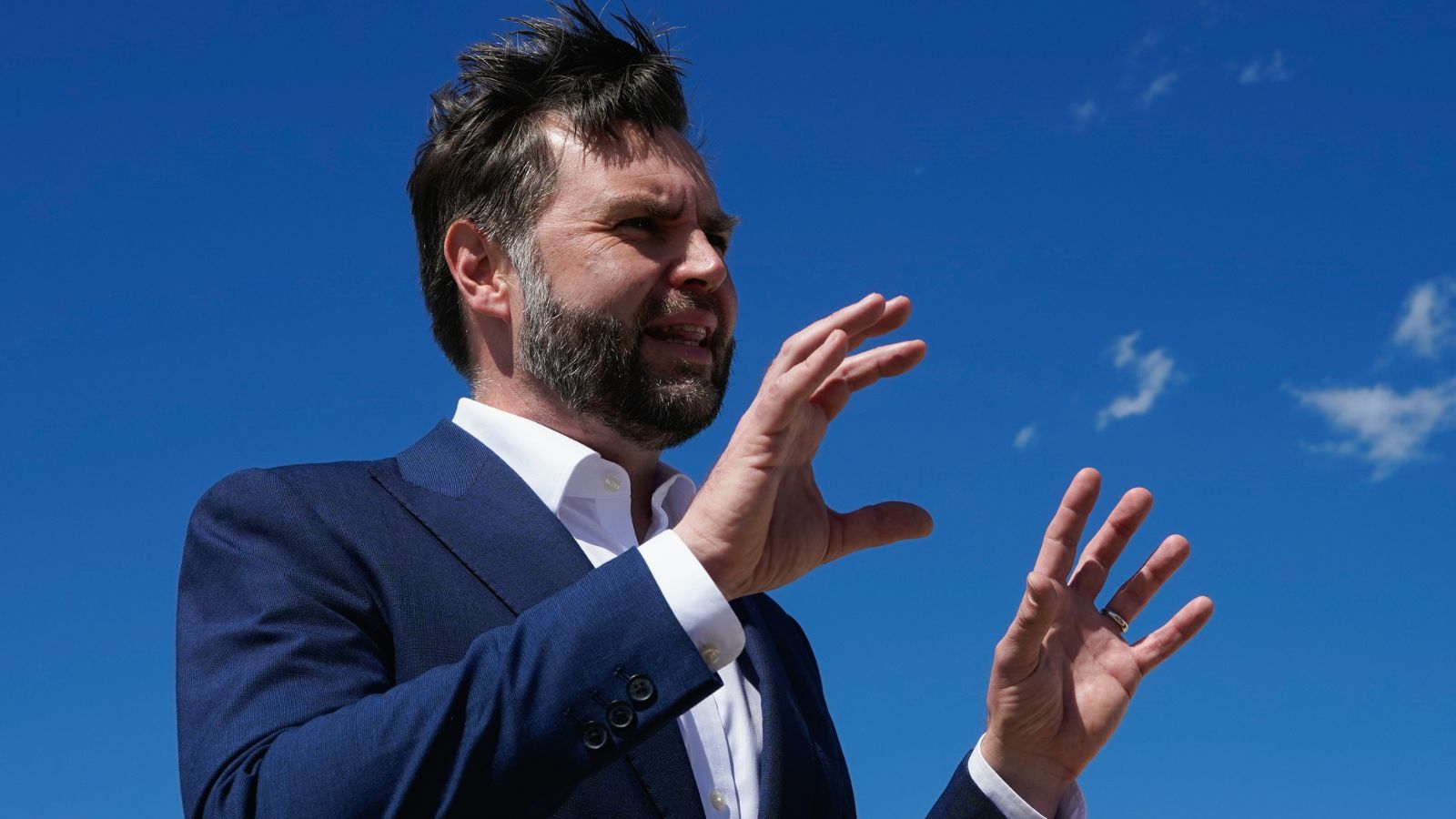
The ink on the temporary memorandum of understanding is barely dry, and the diplomatic theater is already hitting reality. US Vice President JD Vance arrived at Emmen Air Base outside Lucerne, Switzerland, early Sunday morning to jumpstart a 60-day sprint of high-stakes negotiations with Iran. But if anyone thinks a scenic retreat at the Bürgenstock resort means a smooth path to peace, they aren't paying attention to what's happening on the ground.
While Washington and Tehran are technically sitting down to hammer out the details of an interim framework signed by President Donald Trump and Iranian President Masoud Pezeshkian, the battlefield isn't cooperating. Just hours before the delegations landed, a massive exchange of fire in Lebanon between Israel and Hezbollah threatened to tear the whole process apart. To make matters worse, Iran's military publicly claimed it shuttered the Strait of Hormuz—the vital maritime artery handling 20 percent of the world's traded oil and gas. US Central Command has disputed that closure, claiming traffic is still flowing, but the sheer chaos underscores the fragility of these talks.
The real question driving these negotiations is simple: can a temporary ceasefire be turned into a lasting nuclear rollback, or is this just a tactical pause for two bitter enemies?
The 60 Day Sprint Begins in Bürgenstock
The core intent of this Swiss summit is to turn a vague 14-point memorandum into a binding, technical agreement. Vance is joined by special envoy Steve Witkoff and Jared Kushner, who have been laying the groundwork alongside mediators from Qatar and Pakistan. On the other side of the table sits a powerful Iranian delegation led by parliamentary speaker Mohammad Bagher Qalibaf and Foreign Minister Abbas Araghchi, backed by central bank and oil officials.
The political stakes are intense. The current framework gives Tehran immediate relief, letting it sell oil freely and unlock billions in frozen assets. In exchange, Iran is supposed to dilute its stockpile of highly enriched uranium, much of it buried under facilities targeted by US airstrikes during the peak of the conflict last summer.
[Key Players in the Switzerland Negotiations]
U.S. Team: JD Vance, Jared Kushner, Steve Witkoff
Iran Team: Mohammad Bagher Qalibaf, Abbas Araghchi
Mediators: PM Shehbaz Sharif (Pakistan), Sheikh Mohammed bin Abdulrahman Al Thani (Qatar)
The administration is already taking heavy fire from its own party. Republican hardliners are furious, comparing this layout to the 2015 Obama-era nuclear deal, arguing it gives up economic leverage for a promise Iran won't keep. Trump has tried to counter this by playing tough on social media, threatening to impose heavy US tolls on the Strait of Hormuz if a final deal isn't reached in 60 days, calling the fees payment for acting as the "Guardian Angel" of the Middle East.
The Wildcards Trashing the Diplomatic Script
You can't negotiate a peace deal in a vacuum, and right now, the regional wildcards are threatening to run the Swiss talks off the road.
First, look at Lebanon. Neither Israel nor Hezbollah signed this US-Iran agreement. Israeli Prime Minister Benjamin Netanyahu has made it clear his forces won't back down from southern Lebanon until the threat to his northern border is gone. Hezbollah says they won't stop shooting until Israel completely pulls out. This dynamic creates a vicious cycle. Just days after the memorandum was signed, fighting in Lebanon killed dozens of people, including four Israeli soldiers.
Far-right Israeli National Security Minister Itamar Ben Gvir openly declared that "all of Lebanon must burn," highlighting the immense domestic pressure on Netanyahu to keep fighting. Vance has tried to downplay the headlines, claiming the situation is slowing down and being managed by Secretary of State Marco Rubio, but the reality is that a single major rocket strike could blow up the Swiss negotiations instantly.
The second issue is the Strait of Hormuz. Before the talks even started, Iran used the threat of a naval blockade as a diplomatic weapon, claiming the right to charge commercial vessels after the 60-day window closes. Vance noted that 16 million barrels of oil moved through the strait in a single day right before the diplomatic friction spiked, showing exactly how much the global economy relies on keeping that waterway open.
What Needs to Happen Next
For these talks to achieve anything concrete before the 60-day clock runs out, negotiators must move past the political posturing and address three specific logistical realities.
- Establish Verifiable Nuclear Dilution Protocols: The International Atomic Energy Agency (IAEA) is attending the sessions, and they need immediate, unfettered access to Iran's underground enrichment sites to verify that highly enriched uranium is actually being diluted.
- Decouple the Ceasefire from the Lebanon Conflict: The US and Qatari teams must convince Tehran to pressure Hezbollah into a synchronized pause, preventing border skirmishes from destroying the broader diplomatic framework.
- Clarify the Maritime Rules for the Strait: Negotiators need to secure a permanent, fee-free transit agreement for commercial shipping to prevent future economic blackmail.
Vance is only scheduled to stay in Switzerland for a couple of days before handing the technical heavy lifting over to Kushner and Witkoff. The groundwork has been laid, but with regional actors actively trying to sabotage the process, the road to a final deal remains incredibly narrow.