The clock is ticking on a two-week ceasefire that’s held by a thread, and if you’re looking for a clear sign that a permanent Iran deal is coming, you won't find it in the rhetoric coming out of Washington or Tehran. President Trump says Iran has "agreed to everything," but if you listen to the folks on the ground in Iran, they’re calling those claims flat-out lies. We’re sitting at a crossroads where one path leads to a massive diplomatic breakthrough and the other leads right back to "dropping bombs," as Trump put it just a few days ago.
The core of the problem isn't just about uranium or missiles anymore. It’s about a massive gap in trust that’s been stretched to the breaking point by a year of open conflict. While US negotiators—led by Vice President JD Vance and Steve Witkoff—head to Islamabad, the reality is that both sides are preparing for the ceasefire to expire on April 22 without a signature on the dotted line. In similar developments, we also covered: The Brutal Truth About the Frozen War Over Iran.
The Strait of Hormuz Standoff
If you want to know why your gas prices are all over the place, look at the Strait of Hormuz. It's the world's most important oil chokepoint, and right now, it’s a hostage in these negotiations. Iranian Foreign Minister Abbas Araghchi claims the strait is "completely open," but there’s a catch: you have to follow Iranian-designated routes. Trump isn't buying it. He’s keeping the US blockade of Iranian ports in place until a final deal is signed.
This "blockade for a blockade" setup is hurting everyone. Experts at the Council on Foreign Relations are pushing for an "open for open" deal—basically, both sides stop blocking the water so the global economy can breathe. It’s a smart move in theory, but in practice, both leaders are using the strait as their biggest piece of leverage. Neither wants to blink first because blinking looks like losing. TIME has also covered this important subject in extensive detail.
What’s Actually on the Table
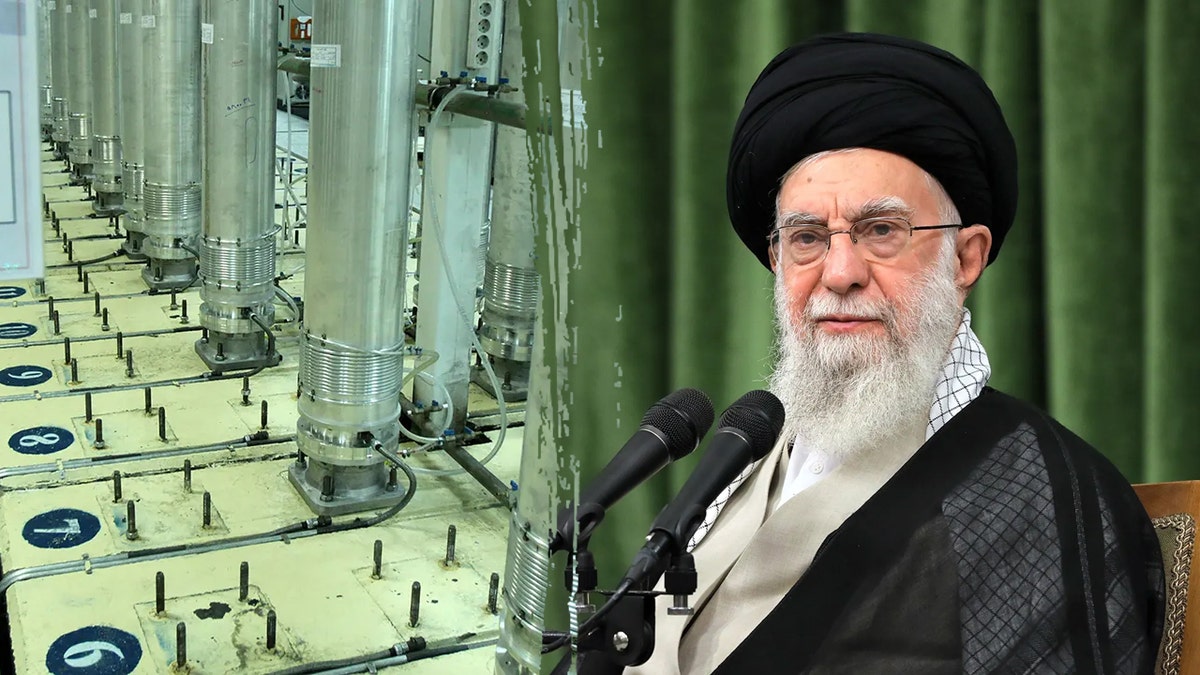
Trump’s demands are high. He wants a 20-year freeze (or permanent, depending on the day) on uranium enrichment and for Iran to ship its entire 450-kilogram stockpile of 60% enriched uranium out of the country. He’s basically asking for a total dismantle.
Iran’s Parliament Speaker, Mohammad Bagher Ghalibaf, has been very clear on social media: that uranium isn't going anywhere. Iran's 10-point counter-proposal focuses on:
- Lifting all sanctions immediately.
- A "solution to all regional conflicts," which is code for the US leaving the neighborhood.
- Guarantees for reconstruction after the 2026 strikes.
- A protocol to keep the Strait of Hormuz open without US interference.
The gap here is huge. Iran is willing to talk about a three-to-five-year pause on enrichment, but the US is looking for decades. When you’re that far apart, "constructive talks" is just diplomatic speak for "we didn't yell at each other today."
The Military Reality Behind the Diplomacy
Don't think for a second that the ceasefire means everyone has put their guns away. Recent intelligence reports suggest Iran has been using this quiet time to move its toys around. They’ve still got about 60% of their missile launchers and 70% of their missile stockpile intact, largely because they’ve been digging them out of underground "missile cities" during the pause.
On the other side, Israel isn't slowing down. While the US and Iran talk in Pakistan, Israel’s "Operation Eternal Darkness" has been hammering Hezbollah targets in Lebanon. The US says Lebanon isn't part of the ceasefire; Iran says it is. This disagreement alone could blow up the whole deal before the April 22 deadline. If Hezbollah starts raining rockets again, or if Israel hits a target that Iran deems "too far," the Islamabad talks will be over before the first coffee break.
Why a Deal Might Still Fail
The biggest hurdle isn't the technical details of centrifuges—it's the internal politics. In Tehran, the Revolutionary Guard (IRGC) sees any compromise as a sellout. They’ve watched their sites get hit and they want payback, not a handshake. In Washington, there’s a massive credibility issue. After years of shifting demands—ranging from regime change to "nuclear dust" agreements—the Iranians don't know which version of the US they’re dealing with.
Honestly, it’s hard to see a path to a "Grand Bargain" by tomorrow. The most likely scenario is a messy, last-minute extension of the ceasefire just to keep the bombs from falling for another few weeks.
Moving Forward
If you’re tracking this situation, watch the April 22 deadline. If there’s no extension by midnight, the risk of a "hot war" returning is almost 100%. For businesses and investors, the key indicator isn't Trump’s social media posts—it's the actual movement of tankers in the Strait of Hormuz. Until those ships move freely without a US or Iranian escort, the "deal" is just paper.
Keep an eye on the Islamabad dispatches over the next 24 hours. If Vance and Araghchi don't emerge with a joint statement, start bracing for a return to hostilities. The window for diplomacy is closing, and the room is getting very small.