You've probably seen the headlines. Tehran claims it holds the cards in the world's most critical oil choke point. Washington flat-out calls those claims a joke. Behind this fierce war of words lies a battle for naval dominance in the Persian Gulf that never truly stops.
When Iranian officials start chest-beating about controlling maritime traffic through the Strait of Hormuz, the Pentagon doesn't just roll its eyes. They push back hard. The core of the latest feud centers around the capabilities of Iran's Islamic Revolutionary Guard Corps (IRGC). US defense officials argue that the IRGC lacks a legitimate, blue-water navy capable of dominating the region. Instead, they operate a swarm of fast attack craft—essentially heavily armed speedboats—alongside asymmetric coastal defenses.
It's a classic standoff. Tehran wants to project supreme regional power. Washington wants to keep global shipping lanes open and prove that American naval might remains completely unchallenged in the Middle East.
What's Actually Happening in the Gulf
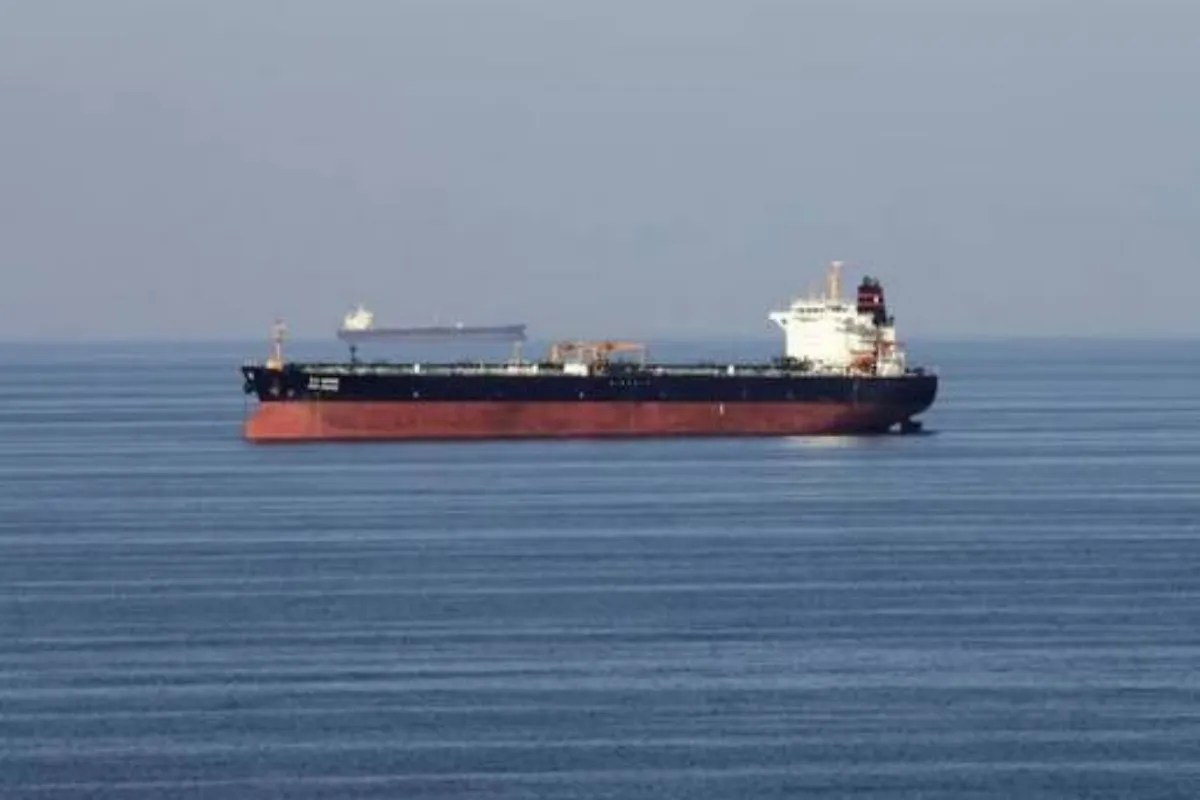
Let's cut through the propaganda. The Strait of Hormuz isn't just a narrow strip of water; it's the literal throat of the global energy supply. Roughly a fifth of the world's petroleum passes through this corridor every single day. If it closes, gas prices spike globally within hours.
Iran knows this leverage point intimately. For decades, Tehran has threatened to shut down the strait whenever economic sanctions bite too hard or military tensions flare. Their strategy relies on asymmetry. They don't need massive aircraft carriers to disrupt traffic. They use mines, shore-based anti-ship missiles, and hundreds of agile speedboats designed to overwhelm traditional warships through sheer numbers.
Washington sees right through the playbook. US Central Command (CENTCOM) regularly points out that IRGC naval assets are a nuisance rather than an existential threat to the US Fifth Fleet stationed nearby in Bahrain. An armada of speedboats looks terrifying in a state-run parade video, but against modern destroyers and air support, they're sitting ducks.
The Reality of IRGC Naval Power
You have to look at the hardware to understand why the US dismisses these claims so easily. A true navy needs logistics ships, destroyers, submarines, and the capacity to project power far from its own coastline. The regular Iranian Navy maintains a few aging frigates and submarines, but the IRGC naval branch focuses entirely on asymmetric coastal warfare.
These forces excel at harassment, boarding commercial tankers, and laying quick minefields. They are built for hit-and-run tactics in shallow waters. But control? That's an entirely different game.
Controlling a maritime chokepoint requires air superiority, constant surveillance, and the ability to sustain operations over weeks or months. The US Navy brings carrier strike groups, advanced P-8 Poseidon maritime patrol aircraft, and regional allies like the UAE and Saudi Arabia into the equation. Iran's coastal units simply don't have the logistical backbone to sustain a long-term blockade against that kind of resistance.
Why This Rhetoric Escalates Now
Geopolitics rarely happens in a vacuum. Whenever domestic pressure mounts inside Iran or nuclear talks stall, the rhetoric around the Strait of Hormuz dials up. It's designed for domestic consumption and to rattle foreign investors.
At the same time, the US military has zero tolerance for letting Iranian naval commanders dictate the narrative. By publicly stating that the IRGC has no real navy in the conventional sense, Washington aims to puncture Tehran's deterrent aura. It's a psychological war as much as a tactical one.
Moving Past the Posturing
If you're tracking energy markets or international security, don't expect the posturing to stop anytime soon. The Strait of Hormuz remains a flashpoint because the geography forces adversaries into close quarters. Iranian speedboats will continue to shadow foreign tankers. The US Navy will continue to escort commercial vessels to prove freedom of navigation.
The real danger isn't a planned war for control of the waterway. It's a miscalculation. When two hostile forces operate this close together in tight waters, a single panicked skipper or a misread radio transmission can spark a kinetic conflict neither side actually wants. Keep your eyes on the tactical maneuvers on the water, not just the boasts coming out of state media capitals.