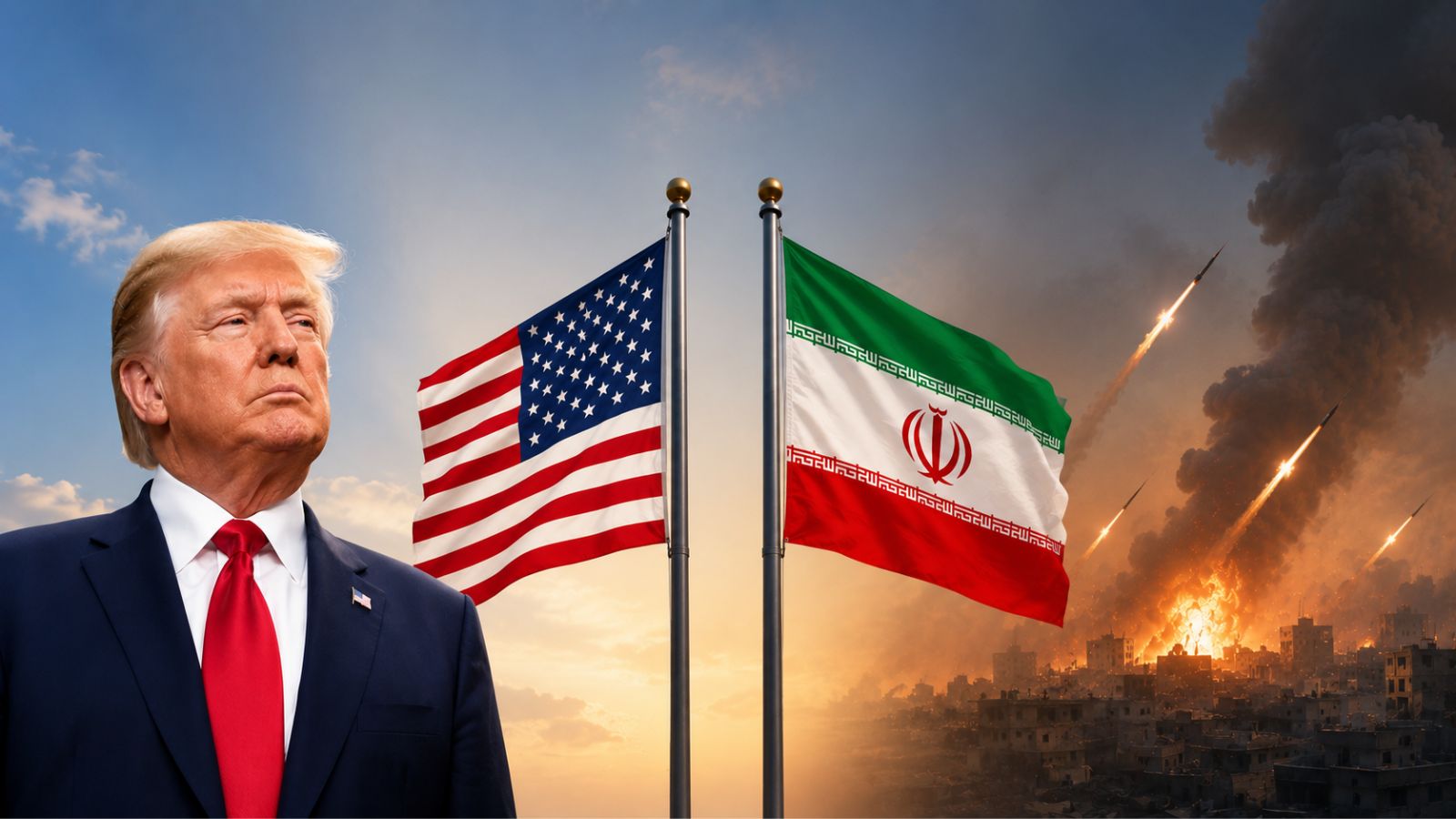
Negotiators from the United States and Iran just shook hands on a tentative 60-day memorandum of understanding. The goal is simple on paper. They want to extend the shaky ceasefire and kickstart serious talks regarding Iran's nuclear program.
But there is a massive catch. Don't miss our recent article on this related article.
Donald Trump hasn't signed off on it yet. White House officials are making it clear that until the president puts pen to paper, this deal is nothing more than words on a page. The broad outlines exist, but Trump is taking a few days to mull it over, leaving global energy markets and military planners in limbo.
If you're trying to understand why this matters right now, you have to look at the sheer chaos surrounding the Strait of Hormuz. This isn't just about diplomacy. It's about a highly volatile three-month-old war that threatens to boil over every single day. If you want more about the context here, The New York Times provides an excellent breakdown.
The Terms of the 60-Day Standstill
The actual mechanics of the deal, first reported by Axios, show how desperate both sides are to pause the bleeding, even if they won't admit it publicly.
Under the proposed memorandum, the Strait of Hormuz would completely reopen to commercial shipping. This is the ultimate economic pain point. Roughly 20% of the world's oil and liquefied natural gas flows through this narrow choke point. Iran shut it down earlier this year after U.S. and Israeli airstrikes hit Iranian soil back on February 28, prompting a severe U.S. naval blockade in return.
Here is what the tentative truce demands from both sides:
- Mine Clearance: Iran must completely remove all naval mines from the Strait within 30 days.
- No Shipping Tolls: Tehran cannot impose duties, taxes, or delays on international vessels passing through.
- Blockade Relief: The U.S. will systematically lift its naval blockade on Iranian ports, pacing the relief with the actual return of safe, commercial shipping.
- Asset Unfreezing: Washington would allow the release of specific frozen Iranian bank accounts overseas to provide economic breathing room.
The temporary freeze is designed to buy exactly two months of peace. During those 60 days, teams will sit down to tackle the most dangerous issue on the table: Iran's highly enriched uranium.
The Uranium Stumbling Block
According to the International Atomic Energy Agency, Iran possesses about 440.9 kilograms of uranium enriched up to 60% purity. That's a hair's breadth away from the 90% threshold required for a nuclear weapon.
American negotiators want that stockpile completely out of Iran. Diplomats floated a compromise where China or Russia—both maintaining decent ties with Tehran—would take possession of the highly enriched uranium.
Trump publicly shot that down. He noted he "wouldn't be comfortable" letting Beijing or Moscow hold the cards. Iran isn't exactly eager to hand it over either. Their negotiators claim the nuclear stockpile should remain under Iranian control, buried deep under facilities that took heavy damage from American bombers last year.
A Truce Fracturing in Real Time
While diplomats argue in backrooms, the situation on the water is incredibly messy. You don't have to look far to see how fragile this "ceasefire" really is.
Just hours before news of the 60-day deal broke, U.S. Central Command slammed Iran for an egregious ceasefire violation. Kuwaiti air defense systems intercepted a wave of Iranian missiles and drones targeted at a regional base. Iran didn't deny it. They claimed it was direct retaliation for American strikes launched earlier in the week.
The Pentagon insists its actions are purely defensive. On Wednesday night, American forces tracked five one-way attack drones in southern Iran. They shot down four in the air and launched a pre-emptive strike on a ground-control station in Bandar Abbas just as it was preparing to launch the fifth.
This creates a bizarre, dangerous cycle:
- The U.S. hits drone sites to prevent an attack.
- Iran views the pre-emptive strike as a violation and fires missiles at U.S. allies like Kuwait.
- Both sides claim they are defending themselves while their negotiators sit at the same table trying to prevent total war.
Treasury Secretary Scott Bessent, stepping in to handle White House briefing duties, noted that Iran is functionally "desperate for cash." The administration sees Tehran's recent back-channel maneuvers—like trying to partner with Oman to illegally toll the Strait of Hormuz—as proof that the U.S. blockade is choking their economy. Trump didn't mince words about that alliance either, warning that Oman had better behave or face devastating military consequences. Bessent has since scrambled to smooth things over with the Omani ambassador.
Why Trump is Holding Out
Trump is playing a high-stakes game of chicken. He likes the leverage the current naval blockade provides. He knows the Iranian economy is redlining, and he isn't in a hurry to give up that pressure without getting exactly what he wants.
He wants a sweeping victory that goes far beyond a temporary freeze. During a recent Cabinet meeting, Trump signaled that he wants any final peace agreement to push Arab Gulf nations into signing the Abraham Accords. He wants a transformed Middle East, not just a return to the old status quo.
So, what happens next?
The negotiation teams have gone as far as they can. The framework is locked. Now, the ball sits entirely in the Oval Office. If Trump signs the memorandum, expect an immediate, cautious drop in global oil prices and a massive deployment of minesweepers in the Strait of Hormuz. If he rejects it, the current low-level shooting war will instantly escalate back into a full-scale regional conflict.
Keep your eyes on the shipping data in the Persian Gulf over the next 48 hours. If commercial tankers suddenly shift their routes or insurance premiums spike, it means the market suspects Trump is about to walk away from the table.