The White House just pulled a complete U-turn on energy policy, and it’s going to make some people very angry. Despite earlier promises to tighten the screws on the Kremlin, the US Treasury Department issued a fresh month-long sanctions waiver on Russian oil. It’s a move that basically admits the global economy can’t handle the current chaos in the Middle East without help from the very country the West has spent years trying to isolate.
You’ve probably seen the headlines about the war involving Iran. It’s a mess. Between the closure of the Strait of Hormuz and skyrocketing prices at the pump, Washington is in a tight spot. Treasury Secretary Scott Bessent stood in front of cameras just a few days ago and said these waivers wouldn't happen. He was wrong. The new General License 134B is now live, and it’s effectively a 30-day "get out of jail free" card for Russian crude loaded onto ships as of April 17, 2026. Recently making waves in related news: The Uranium Gambit Why Trump Is Betting Everything On A Secret Deal With Tehran.
The logic behind the flip-flop
Why would the US government help Vladimir Putin line his pockets while his army is still in Ukraine? It’s not because they want to. It’s because they’re terrified of $150-a-barrel oil. When Iran effectively shut down the Strait of Hormuz earlier this year, it took a massive chunk of global supply off the board. You can't just lose that much oil and expect life to go on as usual.
The administration is playing a desperate game of whack-a-mole. On one hand, they want to choke off Russia’s war chest. On the other, they need to keep gas prices from hitting $6 or $7 a gallon before the midterm elections. By issuing this waiver, they’re letting countries like India and China keep buying Russian oil that’s already at sea without fear of secondary sanctions. It’s a temporary vent to let some pressure out of the market. Further information into this topic are explored by NBC News.
Russia is the big winner here
Let’s be honest: this is a massive win for Moscow. Before this war, Russian Urals crude was trading at a significant discount because of the G7 price cap. Now? Those rules are basically out the window. Indian refiners are reportedly paying premiums over Brent crude just to get their hands on whatever is available.
Some estimates suggest this waiver could net Russia an extra $150 million every single day. That’s billions of dollars flowing back into the Russian economy at a time when sanctions were finally starting to hurt. It’s a bitter pill for Kyiv to swallow. They’re watching the same Western allies who supply them with weapons essentially subsidize the Russian military by keeping the oil trade alive.
The Strait of Hormuz factor
Everything changed when the Strait of Hormuz became a war zone. It’s the most important oil chokepoint in the world. About 20% of the world's liquid petroleum passes through there. When Iran threatened to close it again this week, the markets went into a tailspin.
Even though there’s talk of a ceasefire, the trust is gone. Shipping companies are scared. Insurance rates for tankers have tripled. By allowing Russian oil to stay in the mix, the US is trying to create a buffer. They’re hoping that if enough Russian oil stays on the market, the loss of Iranian and Gulf supplies won't crash the global economy.
What this means for your wallet
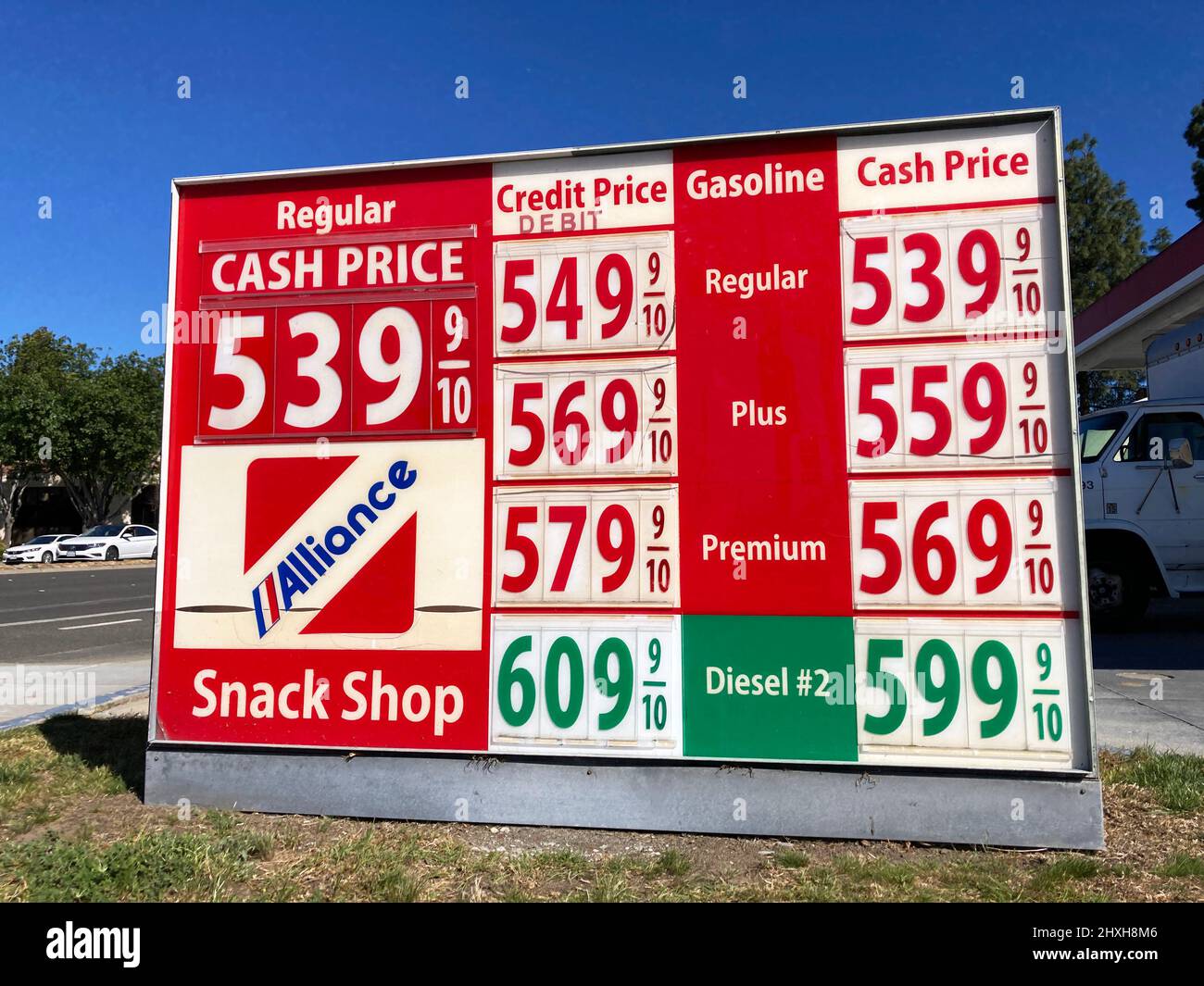
If you’re wondering why you should care about a "General License" from the Treasury, look at your local gas station. Prices have been climbing for weeks. Without this waiver, things would be much worse.
- Short-term relief: This move should stop the immediate vertical climb of fuel prices.
- Market volatility: Expect prices to stay "high but stable" rather than "high and climbing."
- Inflation pressure: High energy prices drive up the cost of everything from groceries to Amazon deliveries. This waiver is a direct attempt to cool that inflation.
A strategy built on thin ice
The problem with 30-day waivers is that they don’t solve the underlying issue. They’re just a bandage. The US is essentially hoping the Iran conflict settles down before May 16, when this new waiver expires. If it doesn't, they’ll be right back in the same position, choosing between helping Russia or watching the US economy take a hit.
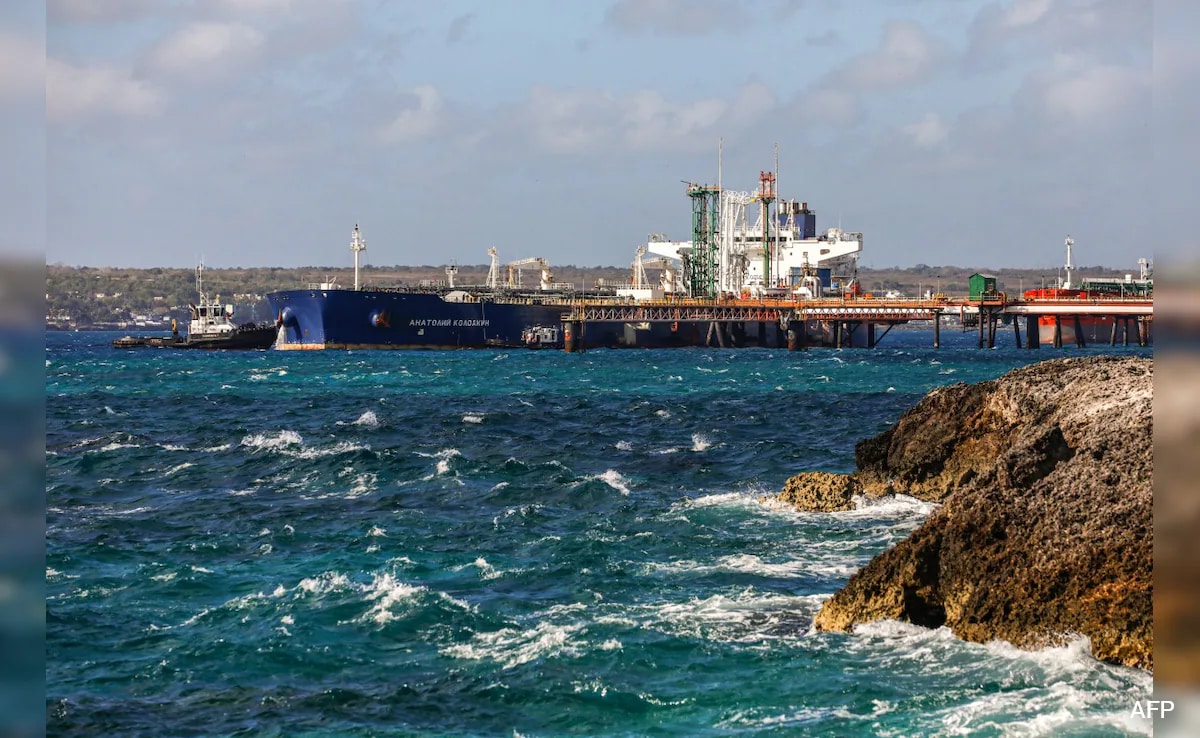
It’s also creating a weird dynamic where the "shadow fleet"—those old, uninsured tankers Russia uses to dodge sanctions—is now being welcomed with open arms because the world is that desperate for oil. We’ve gone from trying to sink the shadow fleet to praying it makes it to port on time.
If you’re tracking your investments or just trying to budget for the summer, don't expect a massive drop in energy costs anytime soon. The floor for oil has shifted. Even with Russian oil flowing, the geopolitical risk is too high for prices to return to 2024 levels. Keep an eye on the May 16 deadline. If the Treasury doesn't signal another extension by early May, expect the markets to freak out all over again.
Watch the shipping data from the Baltic and Black Seas. If Russian exports stay at their current levels through April, it’s a sign that the waiver is working as intended—even if the moral cost is higher than many are willing to admit.