The warnings were public, frequent, and largely ignored by Tehran. For months, the Biden administration and military leaders at US CENTCOM signaled that the threshold for patience had been reached. When the "swift and decisive action" finally dropped, it wasn't just a tactical response to a single event. It was the culmination of a failed game of chicken that the Iranian regime thought it could win by proxy.
You can't keep poking a hornet's nest and act surprised when you get stung. The United States military doesn't move assets like carrier strike groups and B-1 bombers across the globe for a photo op. These strikes targeted the heart of the Islamic Revolutionary Guard Corps (IRGC) Quds Force and their affiliated militias. This wasn't a "message" sent through a diplomat. It was a physical dismantling of infrastructure.
The line that the Iranian regime crossed
Washington stayed remarkably quiet through dozens of low-level harassments. Drones near tankers. Rockets hitting empty patches of sand near US outposts. But the moment American blood was spilled at Tower 22, the math changed. The Iranian regime was warned that direct or indirect responsibility for US casualties would trigger a massive kinetic response. They gambled that the US was too bogged down in domestic politics to swing back hard.
They were wrong.
The strikes hit over 85 targets across seven locations. We aren't talking about small outposts. We’re talking about command and control centers, intelligence hubs, and rocket storage facilities. CENTCOM didn't just want to break things; they wanted to degrade the actual ability of these groups to launch the next attack. If you take out the guy holding the remote and the warehouse where the drones are built, the "axis of resistance" starts to look a lot more like an axis of broken parts.
Why the swift and decisive action matters now
Critics say the US waited too long. They argue that giving a "warning" allowed IRGC commanders to vanish into the shadows before the first bomb fell. There’s some truth there. It’s unlikely any high-ranking Iranian generals were sitting around waiting for a JDAM to crash through the roof. But focusing on the body count misses the point of this specific operation.
This was about the hardware.
Logistics wins wars. Every time a warehouse in Syria or Iraq goes up in flames, that’s millions of dollars in Iranian investment vaporized. It takes months to smuggled those components across borders. By the time they replace what was lost, the strategic landscape has shifted. The US showed it can hit dozens of sensitive spots simultaneously without needing a full-scale ground invasion. It's a reminder that while Iran plays a regional game, the US still plays a global one.
The myth of the proxy shield
Tehran loves its proxies because they provide "plausible deniability." It's a convenient lie. They fund the Hezbollahs and the Houthis of the world so they don't have to face the heat directly. By labeling the response as action against "the Iranian regime" and its interests, CENTCOM effectively stripped away that shield.
The message is simple. If your money bought the rocket and your officers trained the guy who fired it, you’re the one we’re coming for. Honestly, the idea that the US would forever distinguish between the puppet and the puppeteer was always a fantasy.
Logistics of the strike and what it tells us
General Michael "Erik" Kurilla doesn't strike me as a man who enjoys half-measures. The use of long-range bombers flown directly from the United States is a massive flex. It tells the IRGC that even if they think they’ve cleared out the local airspace, the threat can come from the other side of the planet in a matter of hours.
- Scale: 125 precision-guided munitions. That’s a lot of firepower for a single night.
- Precision: Reports indicate the strikes were surgical, aimed at avoiding civilian centers while gutting military capacity.
- Coordination: This involved a multi-domain effort that most militaries simply can't pull off.
People often ask if this starts a wider war. The irony is that the strikes are designed to prevent one. By demonstrating a credible, devastating consequence for proxy attacks, the US aims to restore a level of "deterrence" that had clearly eroded over the last year. If you don't push back, the encroachment just keeps coming.
The strategic ripple effect in the Middle East
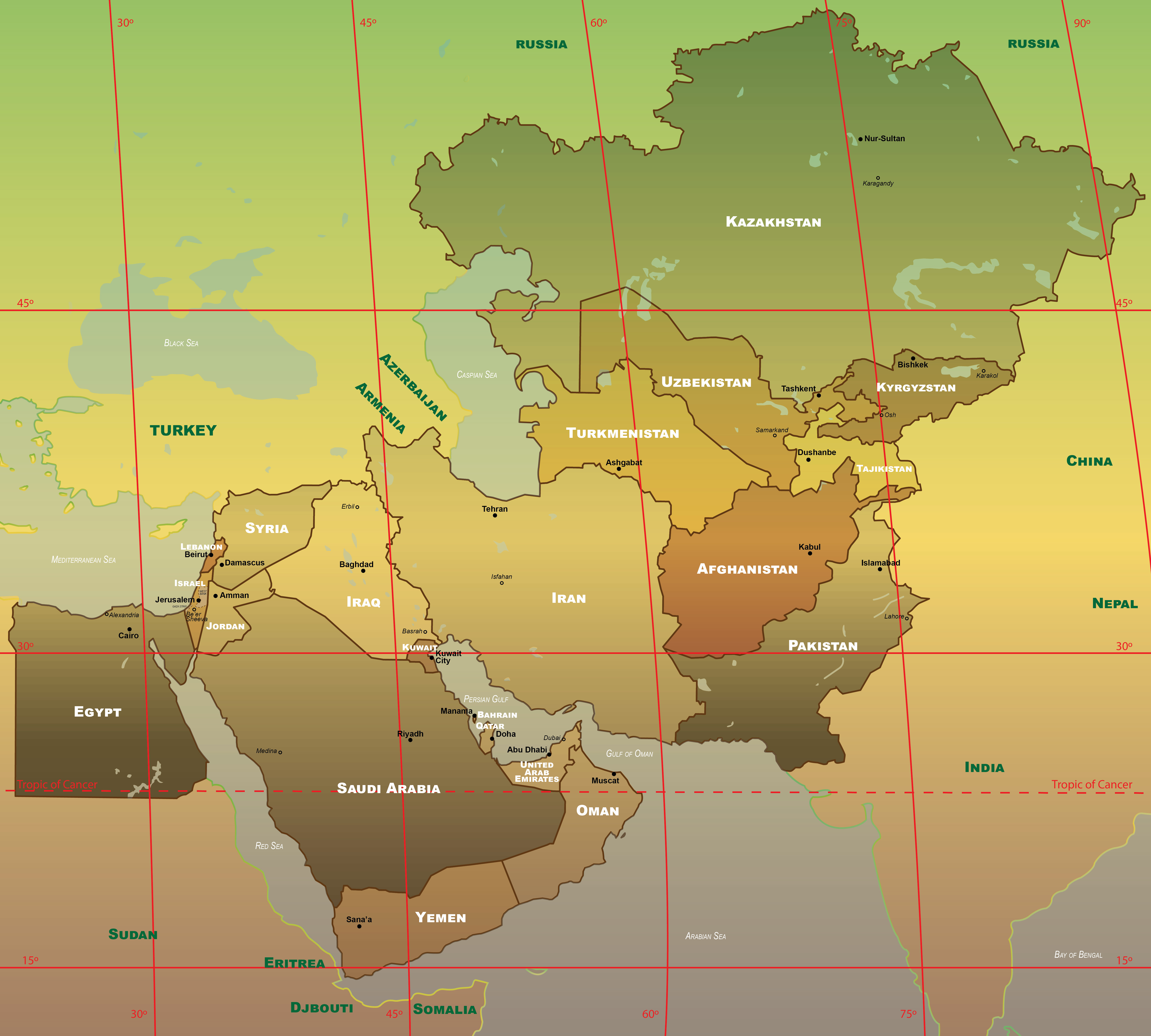
Regional players are watching this closely. Jordan, Iraq, and the Gulf states have to balance their own security with the reality of an aggressive Iran next door. When the US acts decisively, it provides a bit of backbone to the regional coalition that opposes Iranian hegemony.
It's not just about the bombs. It's about the intelligence. To hit 85 targets with that level of accuracy, you need an incredible amount of "eyes on." This suggests the US intelligence network in the region is much deeper than the Iranian regime would like to believe. They aren't just watching from satellites; they’re deep inside the communication loops of these militia groups.
Moving beyond the immediate fallout
The Iranian regime was warned, and now they have a choice. They can double down on their proxy strategy and risk a direct confrontation that they’d almost certainly lose, or they can pull back the reins on their militia groups. History suggests they'll probably try to find a third way—a more subtle, less traceable form of aggression.
Don't expect the region to go quiet overnight. The IRGC is an institution built on this kind of friction. But the "swift and decisive action" taken by CENTCOM has fundamentally reset the price of admission for attacking US interests. The cost just went up, and Tehran has to decide if it has the stomach to keep paying it.
If you’re tracking these developments, keep a close eye on the shipping lanes in the Red Sea and the frequency of rocket fire in Eastern Syria. Those are the real-world barometers for whether this message was actually received. The next few weeks will tell us if the IRGC chooses to lick its wounds or if we're headed for a much hotter spring. Watch the movements of the US carrier groups in the region. If they stay on station, the pressure stays on.