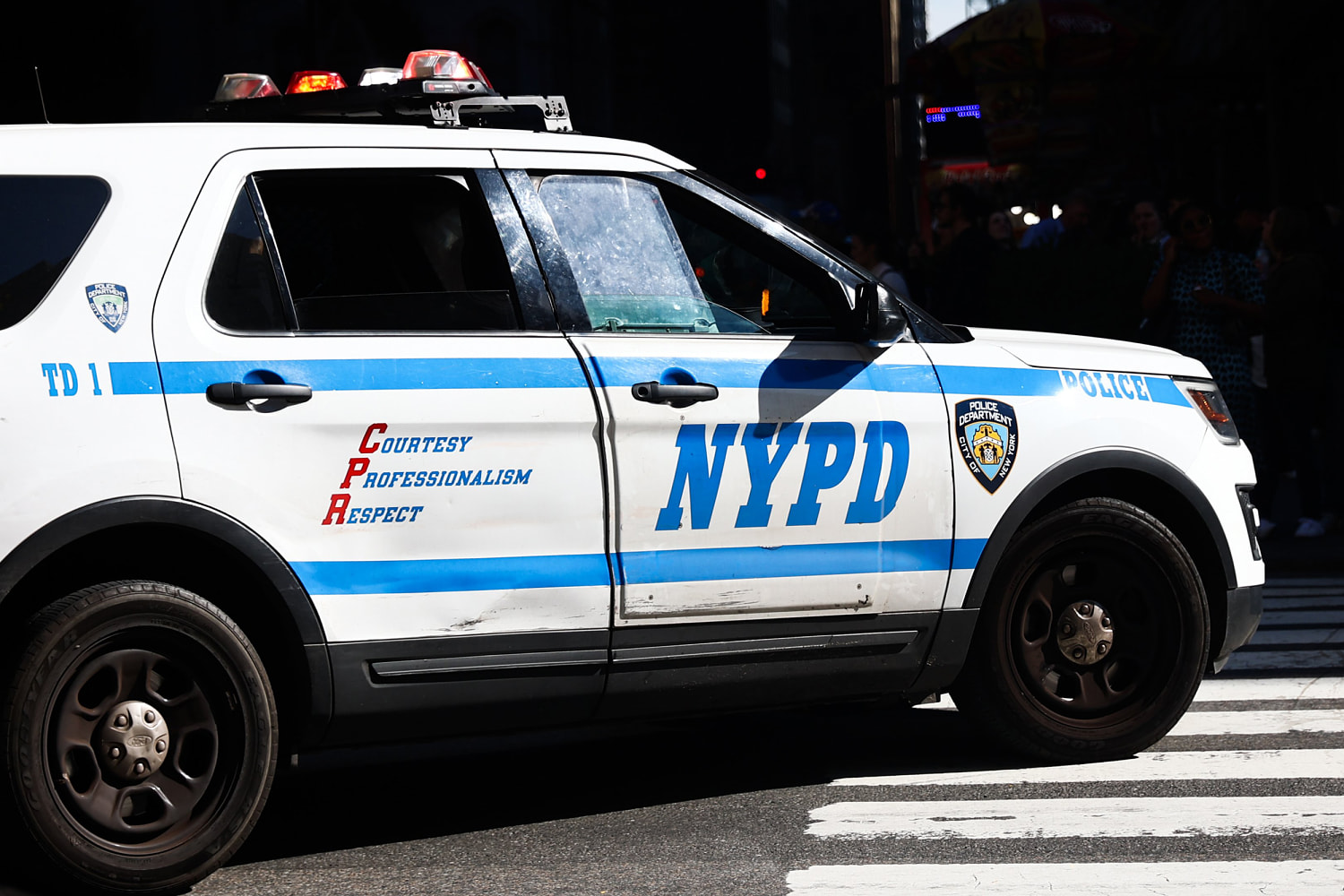
Recent viral video footage showing individuals emerging from a Manhattan manhole has triggered an active NYPD investigation and thrown a harsh spotlight on the vulnerable, hidden world beneath the city streets. Municipal authorities are scrambling to secure subterranean entry points as questions mount over public safety, urban exploration subcultures, and the structural integrity of New York City utility networks.
Panic usually follows the unexpected. When pedestrians capture footage of human figures pushing aside heavy iron covers and climbing out into the daylight of a busy Manhattan avenue, the immediate reaction swings between panic over potential security threats and sheer confusion.
Yet, for anyone who has spent decades covering municipal affairs, this is less of an unprecedented security breach and more of a predictable collision between underground urban subcultures and decaying municipal architecture.
The Subterranean Labyrinth Beneath the Pavement
Beneath the grid of asphalt and concrete lies a vast, interconnected network of tunnels, steam pipes, electrical vaults, and communication lines. Con Edison and the transit authority manage thousands of miles of subterranean space that require constant maintenance.
Security is notoriously difficult to maintain across this sprawling environment. Manhole covers weigh anywhere from one hundred to three hundred pounds, making them formidable barriers to casual trespassers, but they are not impenetrable vaults. Standard utility keys and heavy-duty crowbars offer access to those determined enough to bypass municipal deterrents.
Urban explorers have documented these spaces for decades. Documenting abandoned subway platforms, forgotten water channels, and steam tunnels has evolved from a fringe underground hobby into a well-documented digital subculture.
However, climbing out onto a public Manhattan street in broad daylight crosses a distinct legal and safety line. It transforms private trespassing into a public spectacle that demands an immediate police response.
Aging Infrastructure and Public Risk
The real story extends far beyond a viral video or a trespasser seeking a thrill. The bigger crisis is the deteriorating state of the infrastructure that allows unauthorized access to happen so easily in the first place.
New York City utility vaults and manholes face constant thermal expansion, moisture accumulation, and heavy vehicular traffic overhead. Older locking mechanisms rust, and standard grates sometimes suffer from structural fatigue.
When locks fail, access points become vulnerabilities. Beyond the security implications, these open routes expose untrained civilians to lethal hazards.
Subterranean hazards include:
- High-voltage electrical cables operating with minimal insulation in older vaults.
- High-pressure steam mains capable of causing severe thermal burns or asphyxiation.
- Toxic gas accumulations, including methane and carbon monoxide, which can displace oxygen without warning.
- Sudden flash floods during heavy downpours that turn utility corridors into rushing rivers.
Entering these spaces without heavy personal protective equipment or atmospheric monitoring gear is an extreme gamble with life. Municipal workers undergo extensive safety training before descending into the deep system for a reason.
The Response From Law Enforcement and Utilities
The NYPD and municipal partners face a difficult operational puzzle. Securing every single manhole cover across the five boroughs is functionally impossible.
Instead, authorities rely on tamper-evident seals, electronic sensors on critical infrastructure nodes, and rapid responses to suspicious activity called in by observant citizens. When a video surfaces showing people emerging from a manhole, detectives focus on identifying the specific location, reviewing nearby CCTV footage, and determining whether utility assets were compromised or tampered with.
Con Edison crews inspect the affected manhole to check for unauthorized modifications, structural damage, or stolen hardware. If padlocks were cut or heavy security bolts bypassed, criminal mischief charges quickly enter the picture.
The public wants straightforward answers. Are these individuals urban explorers chasing adrenaline, or do they represent a deeper security blind spot?
Usually, the truth sits somewhere in the messy middle. Most unauthorized underground incursions are driven by curiosity, photography, or the pursuit of hidden spaces rather than malicious intent.
That distinction matters for law enforcement strategy, but it offers little comfort to city engineers watching their containment perimeters get breached on social media.
Fixing the Gaps in City Security
Upgrading the physical security of underground New York requires heavy capital investment. Modernizing thousands of utility vaults with smart locks, real-time intrusion alarms, and reinforced structural covers requires billions of dollars and extensive lane closures that would paralyze surface traffic.
City planners must weigh those expenses against the frequency of breaches and the severity of potential hazards. As long as the labyrinth remains accessible, videos of people climbing out of the pavement will continue to shock the public and embarrass municipal agencies.
The investigation into the recent Manhattan incident will likely result in trespassing citations and heightened patrols around targeted utility hubs. Yet, the iron covers will remain on the street, heavy, silent, and guarding a world most people prefer to forget exists until someone pops out into the daylight.