The Radiation Injury We Call a Tan
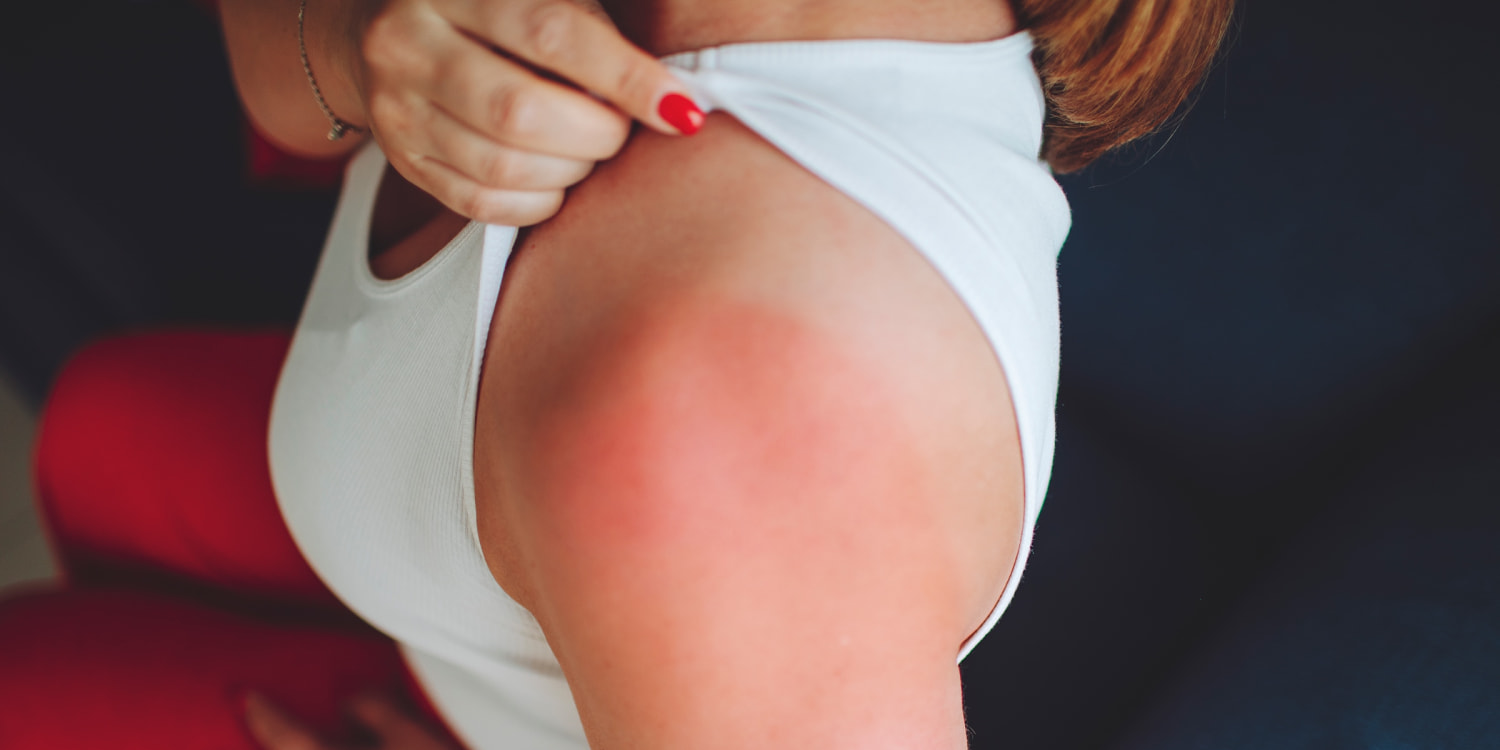
A sunburn is not a thermal burn. It is an acute radiation injury caused by ultraviolet wavelengths slicing through your cellular infrastructure. By the time your skin turns pink, the biological damage is already done, and your cells are actively committing suicide to prevent cancer. Despite a multi-billion-dollar skincare industry promising quick fixes, cooling gels, and miraculous recovery creams, the medical reality is brutal. You cannot cure a sunburn; you can only manage the fallout of a localized radiation overdose.
The market thrives on selling immediate comfort for a physiological crisis that requires systemic patience. When UVB rays hit the epidermis, they mutate the DNA inside keratinocytes. This triggers an immediate, aggressive inflammatory response as the body rushes blood and immune cells to the site to clear out the mutated, dying tissue. The redness, swelling, and subsequent peeling are the visible battleground of this cleanup operation.
Understanding the precise mechanism of this damage changes how we view recovery. Standard commercial advice relies on a rotating door of aloe vera lotions and anesthetic sprays. Yet, many of these interventions do nothing to halt the cellular cascade and can, in some cases, prolong the misery.
The Anatomy of the Burn
To manage the damage, you have to know exactly what stage of destruction you are dealing with. Sunburns present in distinct clinical phases, each requiring a fundamentally different tactical response.
First Degree Cellular Carnage
This is the standard pink, warm-to-the-touch injury. The UV radiation has penetrated the outermost layer of the skin, causing blood vessels to dilate.
- The Sensation: Tightness, heat, and a constant, low-grade throb.
- The Hidden Mechanic: Microscopic swelling is compressing your nerve endings. Every movement stretches already compromised tissue.
- The Real Danger: Believing that because there are no blisters, no long-term damage occurred. The genetic mutations are locked in.
Second Degree Blistering
When the radiation penetrates deeper into the papillary dermis, the body reacts by creating physical barriers. Blisters are structural defense mechanisms designed to protect the raw, unhealed tissue beneath them.
- The Sensation: Sharp, stinging pain accompanied by pockets of clear fluid.
- The Hidden Mechanic: Serum leaks from damaged capillaries to fill the space between the separated skin layers, creating a sterile bubble.
- The Real Danger: Popping these blisters. Doing so strips away the sterile biological shield, opening a direct highway for bacterial infections.
The Dangerous Myth of the Quick Fix
The skincare market is flooded with products designed to capitalize on the panic of a severe burn. Walk into any pharmacy, and you will find shelves lined with bright green aloe gels and "burn relief" sprays containing lidocaine or benzocaine.
These topical anesthetics are a trap. Benzocaine and lidocaine numb the pain receptors temporarily, but they are notorious sensitizers. On compromised, radiation-damaged skin, these chemicals can trigger severe allergic contact dermatitis. This leaves the patient dealing with a chemical rash on top of an existing radiation burn.
Furthermore, many commercial aloe vera gels are packed with alcohol, artificial fragrances, and green dyes. Alcohol cools the skin momentarily via evaporation, but it rapidly dehydrates the stratum corneum, stripping away whatever residual moisture the skin has left. The artificial colorings and scents introduce unnecessary chemical irritants to an already overwhelmed immune system.
A Clinically Sound Counter-Offensive
True mitigation requires a systemic approach that aligns with the body's natural inflammatory timeline. The window of opportunity to alter the severity of a burn is remarkably short.
Internal Inflammation Suppression
The most critical step in managing a fresh sunburn happens in the bloodstream, not on the skin. Within the first few hours of exposure, a massive wave of pro-inflammatory proteins called cytokines floods the system.
- The Action: High-dose oral non-steroidal anti-inflammatory drugs (NSAIDs), such as ibuprofen, can inhibit the cyclooxygenase enzymes responsible for producing these cytokines.
- The Goal: By blunting the systemic inflammatory spike early, you reduce the ultimate severity of the swelling and localized pain. Waiting twenty-four hours to take an NSAID renders it largely useless for anything other than basic pain relief.
Thermal Extraction
The skin retains heat, maintaining an elevated localized temperature that can worsen discomfort.
- The Action: Frequent, cool baths or compresses soaked in chilled water.
- The Goal: Drop the local tissue temperature without shocking the system. Avoid ice entirely. Applying ice to a radiation burn causes vasoconstriction, choking off the blood supply that the damaged tissue desperately needs to begin repairs.
Barrier Preservation
As the burn transitions from the acute inflammatory phase to the peeling phase, the skin barrier becomes highly permeable, leading to massive transepidermal water loss.
- The Action: Ditch the complex formulations and use heavy, bland emollients on damp skin. Pure petroleum jelly or simple, ceramide-heavy creams without active anti-aging ingredients are optimal.
- The Goal: Lock in water manually. The peeling process cannot be stopped, but keeping the dead skin pliable prevents painful cracking and secondary infections.
The Systemic Threat of Sun Poisoning
A severe sunburn can spill over into a systemic medical emergency often colloquialized as "sun poisoning." This is a misnomer; you are not poisoned by the sun, but rather by the massive quantities of cellular debris and inflammatory chemicals entering your systemic circulation.
When large surface areas of the skin are damaged, the body can lose its ability to thermoregulate. This triggers a cascade of systemic symptoms that require immediate medical evaluation rather than home remedies.
| Symptom | Underlying Physiological Cause | Immediate Action Required |
|---|---|---|
| Chills and Fever | The hypothalamus resetting the body's thermostat due to systemic cytokine overload. | Monitor temperature; seek care if fever exceeds 101°F (38.3°C). |
| Severe Dizziness | Extreme dehydration caused by fluid shifting from the bloodstream into the skin blisters. | Oral rehydration salts; medical IV fluids if unable to keep liquids down. |
| Confusion or Lethargy | Heat exhaustion compounding the radiation injury, impacting neurological function. | Immediate emergency room evaluation. |
The Multi-Year Calculus of Skin Damage
The immediate discomfort of a sunburn fades within a week, giving a false sense of resolution. The long-term reality is cumulative and permanent. Every instance of severe blistering doubles the statistical likelihood of developing melanoma later in life.
The body repairs what it can, but the errors left behind in the genetic code of your basal cells remain dormant, accumulating with every subsequent exposure. The peeling skin you peel away in sheets is a visual reminder of thousands of cells recognizing their own corruption and choosing self-destruction over malignant transformation. Treating the burn correctly reduces the immediate physiological stress on your body, but the true fix is an absolute commitment to prevention.