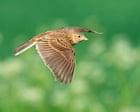
The skies are emptying out. If you spend any time walking through British fields, woods, or coastal cliffs, the silence feels heavier lately. It is not your imagination. Official figures confirm that UK wild bird populations have crashed to their lowest level since reliable record-keeping began. Nearly half of all native breeding species are currently in steep decline.
Experts from conservation bodies like the RSPB and the British Trust for Ornithology (BTO) describe the current trajectory as shocking and sobering. This is not just a localized bad year for wildlife. It represents a systemic failure of environmental management across the British countryside.
The Hard Numbers Behind the Crisis
Let us look at the data. The aggregate UK breeding bird indicator sits 19% lower than it was when monitoring started in 1970. While that long-term drop is alarming enough, the acceleration over recent years tells the real story. Populations dropped by another 5% between 2020 and 2025 alone.
Out of 132 monitored native breeding species, roughly 45% are heading downward. Farmland birds and coastal seabirds are taking the hardest punches.
Farmland bird populations have plummeted by an astonishing 63% since 1970. Specialists like the turtle dove have seen average numbers drop by more than half in just a five-year window, bringing them perilously close to local extinction. Tree sparrows, wood warblers, and capercaillies are following a similar tragic path.
Why Seabirds Are Getting Decimated
It is not just the countryside. Walk along the rugged British coastline, and you will notice a brutal shift. Seabird populations have dropped by 52% across the UK since 1986, with a brutal 22% plunge recorded since 2020.
Avian flu has torn through coastal colonies like a wildfire. Species such as Arctic skuas and terns have been decimated because they nest shoulder to shoulder on crowded cliffs. When a highly contagious virus hits a dense colony where every individual is packed tightly together, the results are catastrophic.
And birds are dealing with compounding pressures. Commercial overfishing strips away their food sources, while poorly regulated coastal nets accidentally drown diving species. Climate shifts disrupt marine food webs, leaving parents unable to find enough sandeels to feed their chicks.
The Politics of Extinction
The crisis has pushed watchdogs to take extreme legal action. The Office for Environmental Protection recently declared that the government is effectively breaking the law by failing to halt the freefall of wild bird populations. Statutory targets meant to expand protected habitats by 2030 are lagging far behind schedule.
Delays in establishing a proper network of Special Protection Areas (SPAs) mean that critical nesting and feeding grounds remain completely vulnerable. Bureaucratic foot-dragging is actively costing wildlife its final safe havens.
The Winners and Losers in the Modern Landscape
Not every species is losing the battle, though the exceptions highlight just how drastically human intervention alters ecosystems.
Red kites are a rare conservation success story, with populations surging by 48% over a five-year stretch following decades-long reintroduction programs. Firecrests have also seen massive spikes.
Yet familiar garden favorites are struggling to keep up. Swift populations have dropped by roughly 25% in just five years, starved of the flying insects they rely on as urban and agricultural pesticide use cleanses the air of bug life. When the insects vanish, the aerial hunters follow.
What Actually Needs to Happen Now
Fixing this mess requires moving past empty political promises. Conservationists agree on a few non-negotiable steps:
- Overhaul agricultural policy: Subsidies must genuinely reward nature-friendly farming rather than incentivizing intensive land management that strips soil and hedgerows bare.
- Enforce marine protections: Establish strict no-fishing zones around critical seabird breeding colonies to guarantee adequate food supplies.
- Halt habitat fragmentation: Connect isolated nature reserves so fragmented populations can actually move, interbreed, and adapt to changing conditions.
If you care about keeping birds in our skies, stop treating wildlife protection as an optional luxury. Support local rewilding initiatives, reduce pesticide use in your own garden, and hold policymakers accountable for the laws they are currently ignoring.