The West Wing at 2:00 AM does not sleep so much as it hyperventilates. Under the dim, amber glow of desk lamps, the absolute power of the free world narrows down to a surprisingly fragile thing: the hyper-fixation of one man. When the doors are closed and the official cameras are dark, the grand theater of geopolitics shrinks to the size of a silver platter.
Every president has a midnight ghost. For some, it was a heavy file of classified cables or a lonely walk through the Rose Garden. For Donald Trump, it was the crinkle of a cellophane wrapper. It was the precise, comforting snap of a diet soda tab breaching the silence of the Treaty Room. It was the late-night snack, a deeply guarded ritual of processed comfort meant to anchor a mind that spent the day spinning in a vortex of public adulation and bitter media warfare.
Then, someone talked.
The leak did not detail a covert drone strike or a backroom diplomatic betrayal. It laid bare something far more intimate, and therefore far more dangerous to a man obsessed with an image of absolute dominance. It revealed exactly what he ate when the world wasn’t looking. The reaction was not a political pivot. It was a furious, immediate lockdown. A new executive edict rippled through the residential quarters, born entirely out of the deep humiliation of being seen as merely human.
The Armor of the Menu
Power is built on mystique. Dictators and democratic leaders alike spend billions crafting an aura of untouchable strength. They want you to see the jawline, the tailored suit, the unblinking stare under the flashbulbs. They do not want you picturing them standing in the fluorescent glare of an open refrigerator at three in the morning, wiping crumbs from a silk pajama sleeve.
To understand the fury behind the new White House restriction, you have to understand what a menu represents to a person of immense ego. Food is the ultimate vulnerability. We eat because we are weak, because our biological machinery demands fuel, because we are tethered to the same fragile flesh as the citizens we govern.
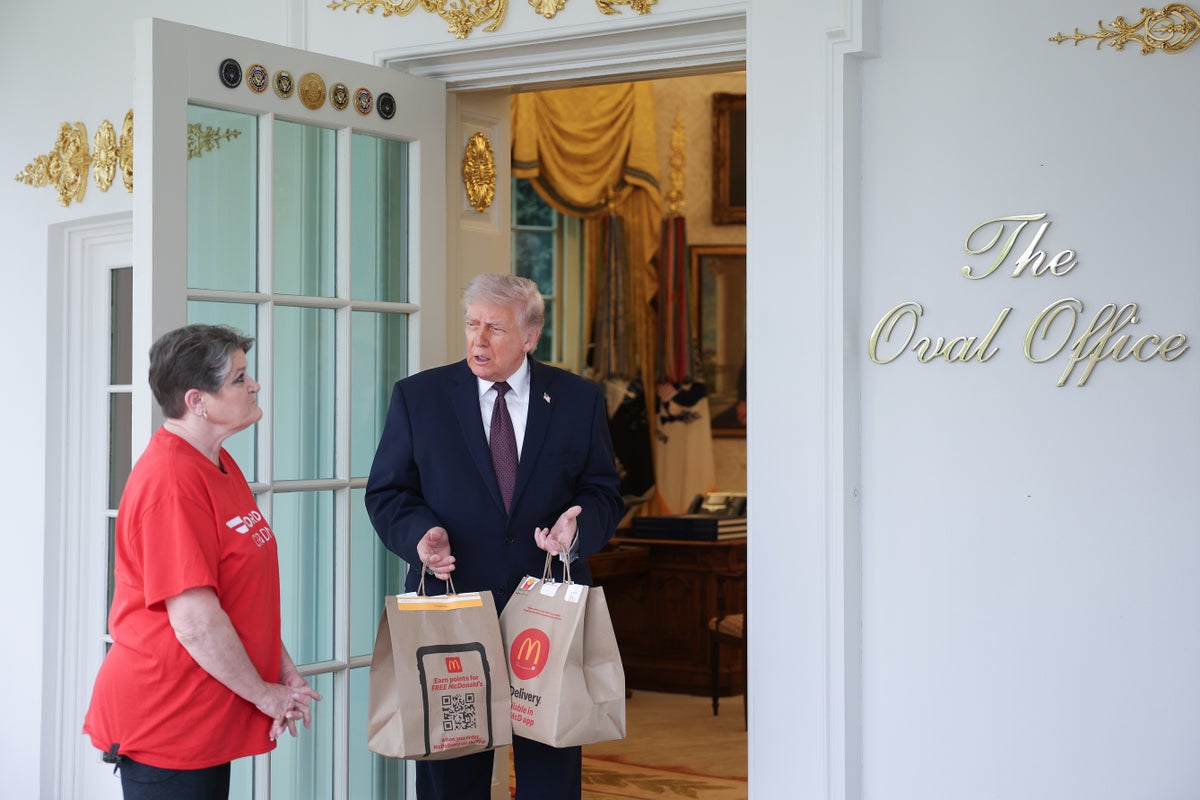
For Trump, the public culinary brand was always carefully curated: fast food on private jets, well-done steaks with ketchup in high-end hotels. It was a calculated performance of populist tastes wrapped in billionaire luxury. It said, I am just like you, but richer.
But the late-night snack obsession was different. It wasn’t a photo op. It was a private refuge. When a report surfaced detailing the exact nature of those midnight cravings—the specific brands, the frantic demands made to a skeleton crew of residential staff—the illusion of the tireless, sleepless commander-in-chief cracked. The public didn’t see a warrior. They saw an elderly man hunting for sugar in the dark.
The anger that followed was instantaneous. Sources within the residence described a West Wing suddenly consumed by an obsessive hunt for the talker. Meetings about infrastructure or foreign trade were eclipsed by a simple, repeating question: Who told them about the kitchen?
The Architecture of the Leak
Consider how information moves through the most secure building on earth. The White House is a labyrinth of concentric circles. On the outside are the journalists, scratching at the glass. On the inside are the advisors, the speechwriters, the generals. But the tightest, most invisible circle consists of the people who carry the trays.
Stewards, housekeepers, valets. They see the commander-in-chief without the makeup. They see the piles of unread briefings tossed on the floor and the television screens burning into the early morning hours. They know the exact weight of the footsteps overhead.
When an administration suffers a national security leak, it is a crisis of statecraft. But when it suffers a lifestyle leak, it is a psychological violation. The new edict issued to the staff wasn't just a reminder of non-disclosure agreements; it was an emotional border wall. The directive made it explicitly clear that any reporting on the domestic habits, the culinary preferences, or the late-night movements of the president would be treated as an existential threat to the administration.
Staff members who had served through multiple presidencies found themselves viewed with sudden, sharp suspicion. The atmosphere turned icy. The very people hired to make the residence feel like a home were suddenly treated like hostile spies operating within the perimeter.
This is the hidden cost of thin-skinned leadership. The machinery of government slows to a crawl because the person at the top is distracted by a bruised ego. Resources that should be tracking global threats are redirected to monitoring the phone logs of kitchen staff. The trivial becomes monumental.
The Mirror of the Media
Why does a story about a midnight snack matter enough to trigger a minor constitutional crisis within the executive mansion? Because the media landscape operates on a simple principle: the smaller the detail, the bigger the truth.
A press release about policy is a lie agreed upon by a dozen communications directors. A leaked detail about a president’s nighttime routine is an accidental window into their soul. It tells the public how a leader copes with the unimaginable pressure of the office. It reveals whether they seek solace in literature, in prayer, or in a sleeve of chocolate cookies.
When the public reads about the late-night snack obsession, they aren't just gossiping. They are looking for the human being beneath the policy positions. They are trying to decide if the person holding the nuclear codes is fundamentally stable, or if they are driven by the same anxieties and compulsive behaviors that plague ordinary people.
By banning any reporting on these habits, the White House attempted to shatter that window. They wanted to replace the human portrait with a stone monument. But the effort almost always backfires. A frantic command to stop talking about a secret behavior only ensures that everyone looks closer. The mystery deepens. The speculation grows wilder.
The true tragedy of the twilight edict isn't the restriction of press freedom or the paranoia of the staff. It is the profound loneliness it reveals. At the center of the world's greatest empire sits a man so terrified of his own ordinary appetites that he must outlaw the truth of them.
The television screens in the private quarters continue to flicker, casting blue light against the historic portraits. The wrappers still crinkle. The soda still fizzes. But now, the silence that follows is heavier, policed by a fear that the simplest human act might become the next headline.