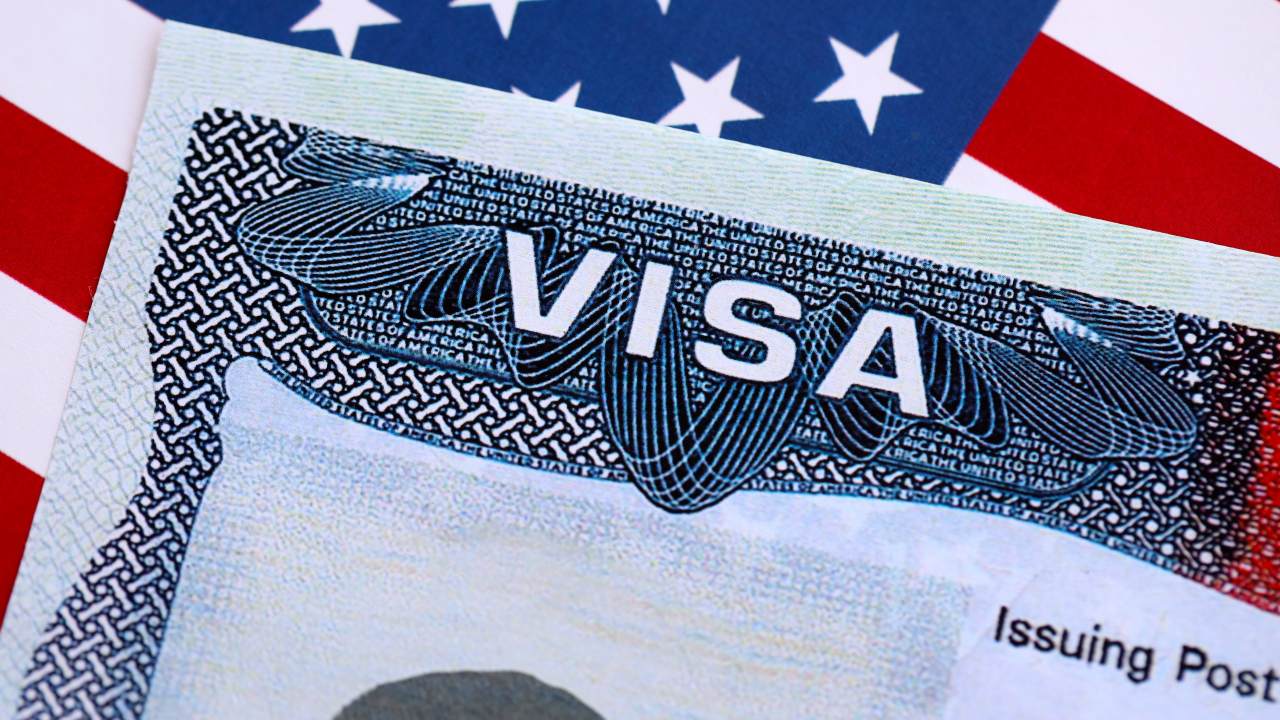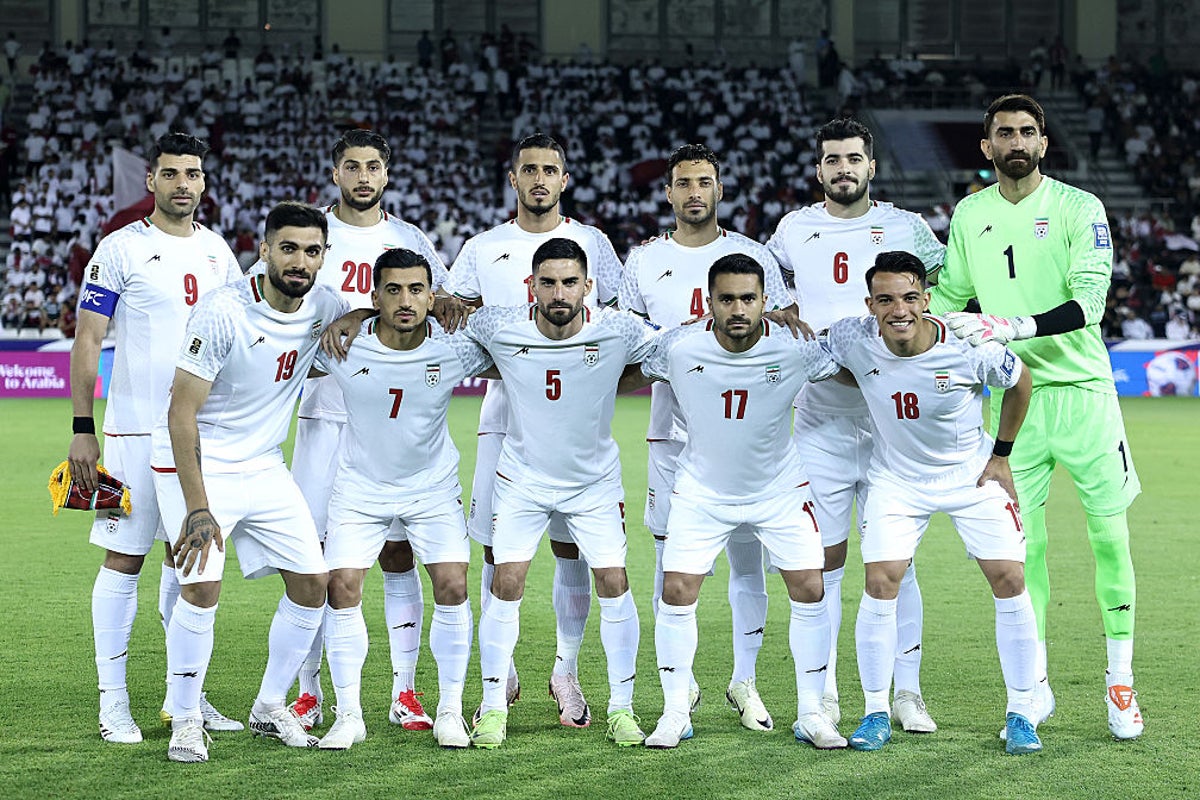
The ink on a visa stamp weighs less than a milligram. Yet, for twenty-two men trapped in a bureaucratic limbo between Tehran and Washington, that microscopic layer of wet pigment carried the weight of an entire nation’s dreams.
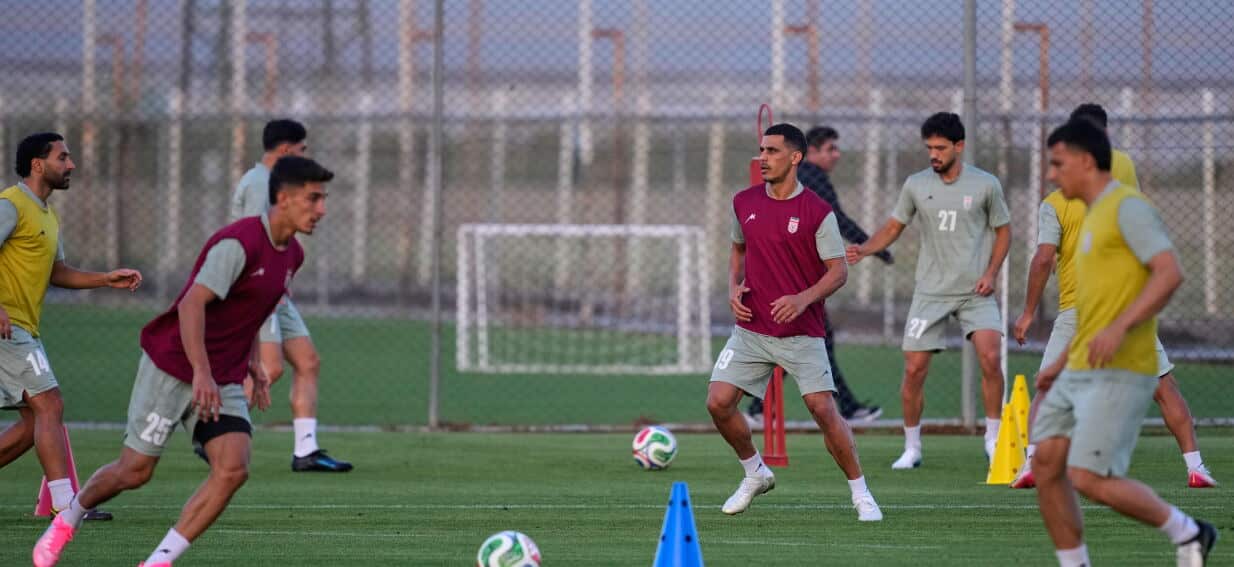
An athlete’s life is governed by numbers. Milliseconds on a stopwatch. Kilometers run on grass. The precise angle of a boot meeting leather. But in the final weeks leading up to the FIFA World Cup, the only number that mattered to the Iranian national football team was a date on a calendar, rapidly approaching, while their passports sat empty in an administrative black hole.
Sport likes to pretend it exists in a vacuum. We tune in to watch a pure meritocracy where the best team wins, unburdened by the chaos of global physics or international relations. It is a beautiful lie. The reality is that before a ball can be kicked on the world stage, a different kind of game must be played in quiet, fluorescent-lit rooms where diplomats hold the ultimate veto power.
For days, the Iranian squad faced the very real possibility of a tournament ended not by a referee’s whistle, but by a consulate's silence.
The Waiting Room of the Gods
Picture a hotel room in a neutral transit city. The air smells faintly of stale coffee and industrial carpet cleaner. A striker, a man capable of silencing ninety thousand screaming fans with a single touch of his left foot, is staring at a smartphone screen. He refreshes an email inbox. Nothing. He checks it again. Still nothing.
This isn't a hypothetical exercise in anxiety. It is the precise reality experienced by Team Melli. While their rivals were finalizing tactical formations and adjusting to the humidity of the host nation, the Iranian players were caught in the crosshairs of geopolitics. Because of the long-standing, deeply fractured diplomatic relationship between Iran and the United States, obtaining visas for an international tournament is never a matter of simple paperwork. It is an ordeal.
Every visa application requires background checks, interviews, and security screenings that can drag on for months. When the clock is ticking down to the opening match of a World Cup, those months shrink into weeks, then days, then agonizing hours.
The pressure on an elite athlete is already immense. You train for four years for a moment that might last only ninety minutes. You subject your body to grueling physical punishment, pushing past the threshold of pain, all for the chance to represent your home on the green grass. Now, add to that the psychological torture of not knowing if you will even be allowed to board the plane.
Your mind splits. One half tries to focus on tactical drills and maintaining peak physical condition. The other half is wondering if the political posturing of governments you have no control over will rob you of your life's work.
When the Pitch Becomes a Mirror
Football in Iran is not merely a pastime. It is a cultural mirror. When the national team plays, life stops. The bustling markets of Tehran empty out. The intense, suffocating traffic of the capital grinds to a halt. Millions of eyes lock onto screens in living rooms, cafes, and public squares. For ninety minutes, the internal fractures, economic hardships, and political tensions of a complex society are set aside. The team represents the collective heartbeat of a people.
To understand why the delay of these visas caused such a profound tremor through the sporting world, you have to understand the unique position these players hold. They carry the psychological burdens of their countrymen into every stadium.
Consider the mechanics of international travel for a citizen of a heavily sanctioned nation. It is a reminder of isolation. While European or American players breeze through customs with passports that act as golden tickets, Iranian athletes face a gauntlet of skepticism, extra scrutiny, and systemic delays. It is a reminder that no matter how fast you run or how high you jump, the passport in your kit bag defines you to the outside world before your talent does.
The silence from the visa issuing authorities wasn't just a logistical hiccup. It felt, to those waiting, like a deliberate exclusion. It raised a haunting question that every athlete from a marginalized nation has asked at least once: Do they actually want us there?
The Breakthrough at the Eleventh Hour
The human mind cannot sustain maximum tension indefinitely. Eventually, something breaks, or something gives.
Just days before the tournament was set to kick off, when contingency plans were being drawn up and the despair in the camp had turned into a heavy, unspoken resignation, the word came down. The visas were approved. The green light had finally flashed across the transatlantic cables.
The relief was not a celebratory explosion. It was a profound, collective exhale. The invisible wall that had blocked their path for months vanished as quickly as it had been erected.
But the damage of the delay remains a factor that no coach can easily calculate. How do you measure the cost of lost focus? How do you quantify the energy burned not on the training pitch, but in the quiet panic of a hotel room? The American squad, whom Iran was scheduled to face in a highly charged group stage match, had no such distractions. They had been in the country for a week, acclimating, resting, and preparing with the smooth, frictionless logistics that come with superpower status.
This is the hidden asymmetry of global sport. The playing field is only level once you step inside the white lines. The journey to get to those lines is vastly different depending on the flag on your chest.
The True Stakes of the Game
When the Iranian team finally walked out onto the pitch, the narrative presented to the global television audience was one of simple sports rivalry. The commentators spoke of group standings, tactical lineups, and historical head-to-head records. They analyzed the game through the clean, clinical lens of statistics.
But look closer at the faces of the men standing in a line during the national anthems. Look at the tightness in their jaws, the exhaustion around their eyes, and the fierce, defiant pride in their posture.
They were not just playing for three points in a tournament standings table. They were playing because they had fought through a labyrinth of international bureaucracy just to prove they belonged on the same earth as everyone else. The true victory wasn't the scoreline at the final whistle. The victory was the defiance of their presence.
They were there. Against the odds, against the political currents, and against a clock that had nearly run out on them, they had made it to the circle.
The match began with a whistle, loud and clear, cutting through the stadium air. As the ball moved across the immaculate grass, the geopolitical noise faded into the background, replaced by the ancient, uncomplicated language of the game. For the next two hours, the passports didn't matter. The sanctions didn't matter. The endless waiting rooms were forgotten. There were only eleven men, a ball, and the desperate, beautiful struggle to find the back of the net.