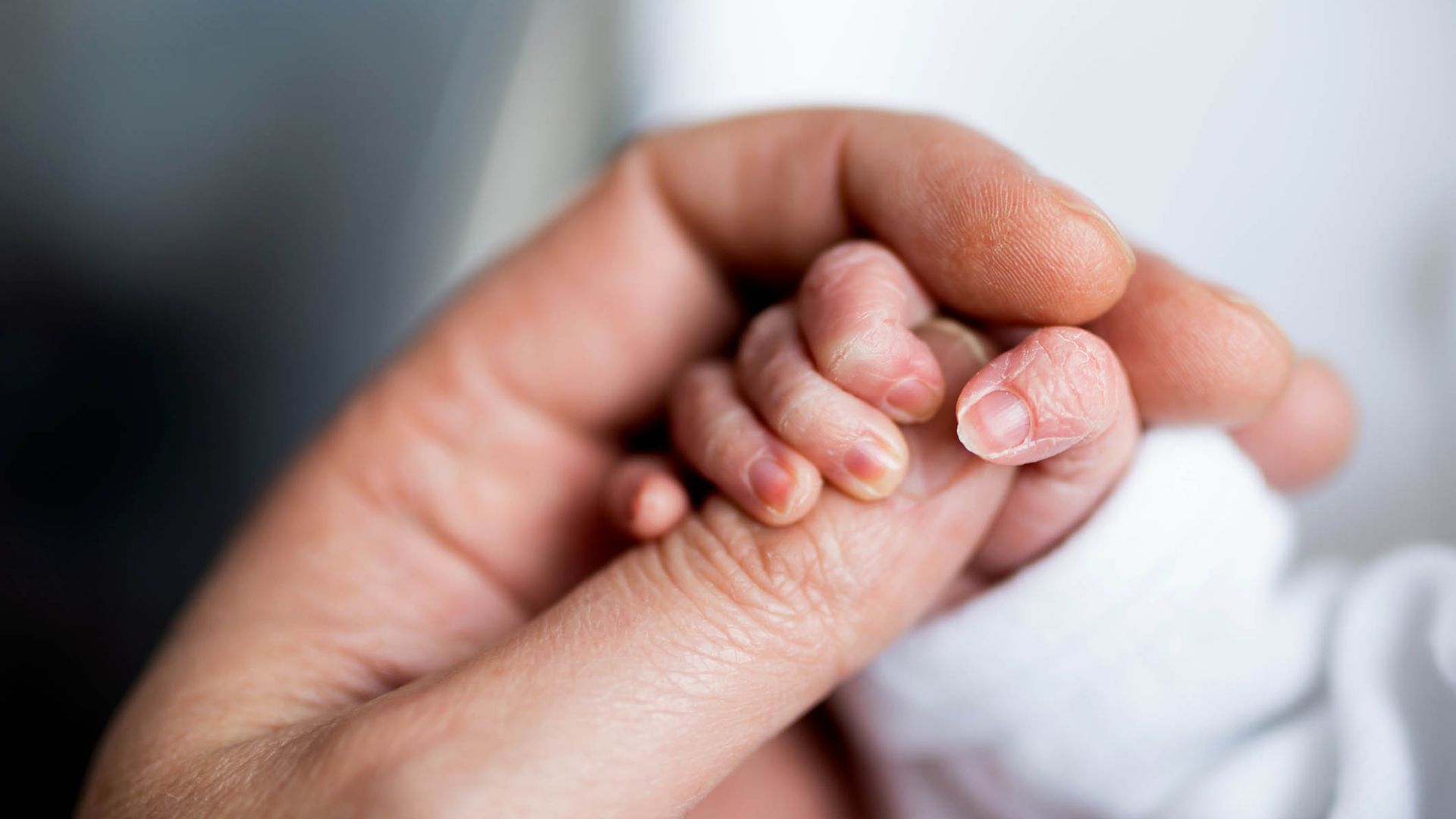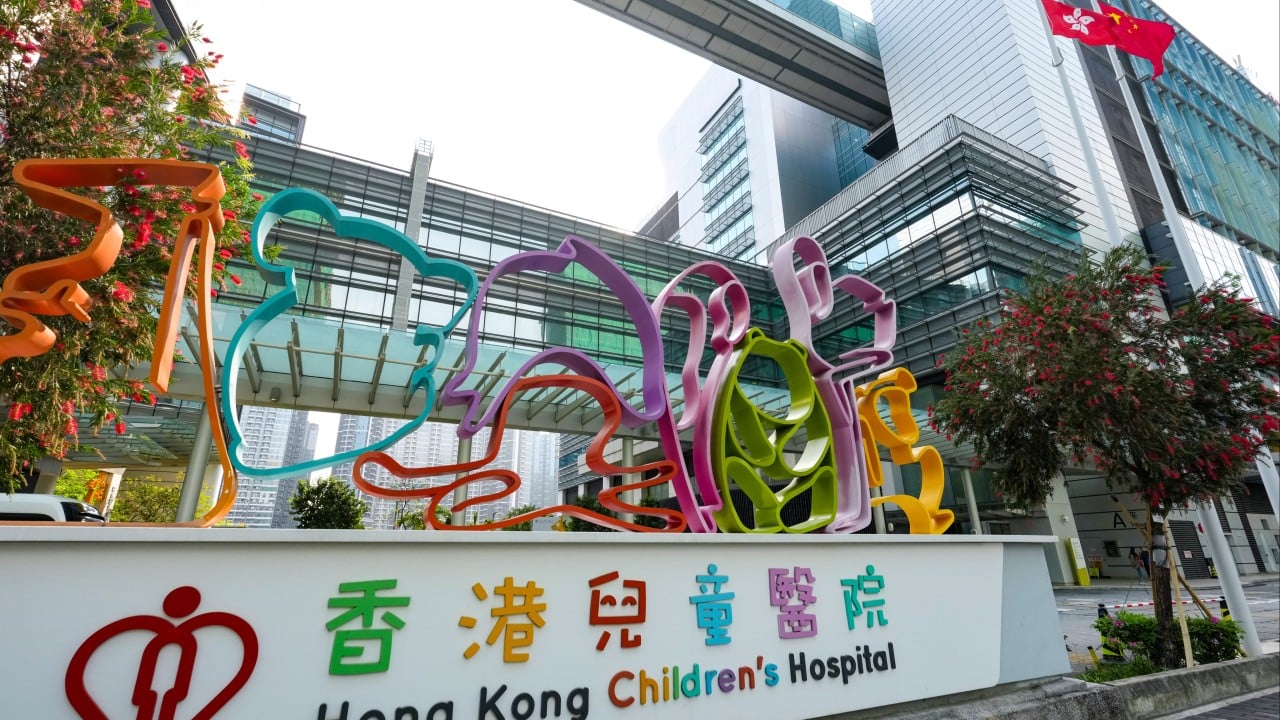
The plastic chairs in the Paediatric Intensive Care Unit of Hong Kong Children’s Hospital do not comfort the lower back. They are designed for vigilance, not rest. For over a month, two parents have lived in those chairs, measuring the rhythm of their lives by the mechanical sigh of an extracorporeal membrane oxygenation machine.
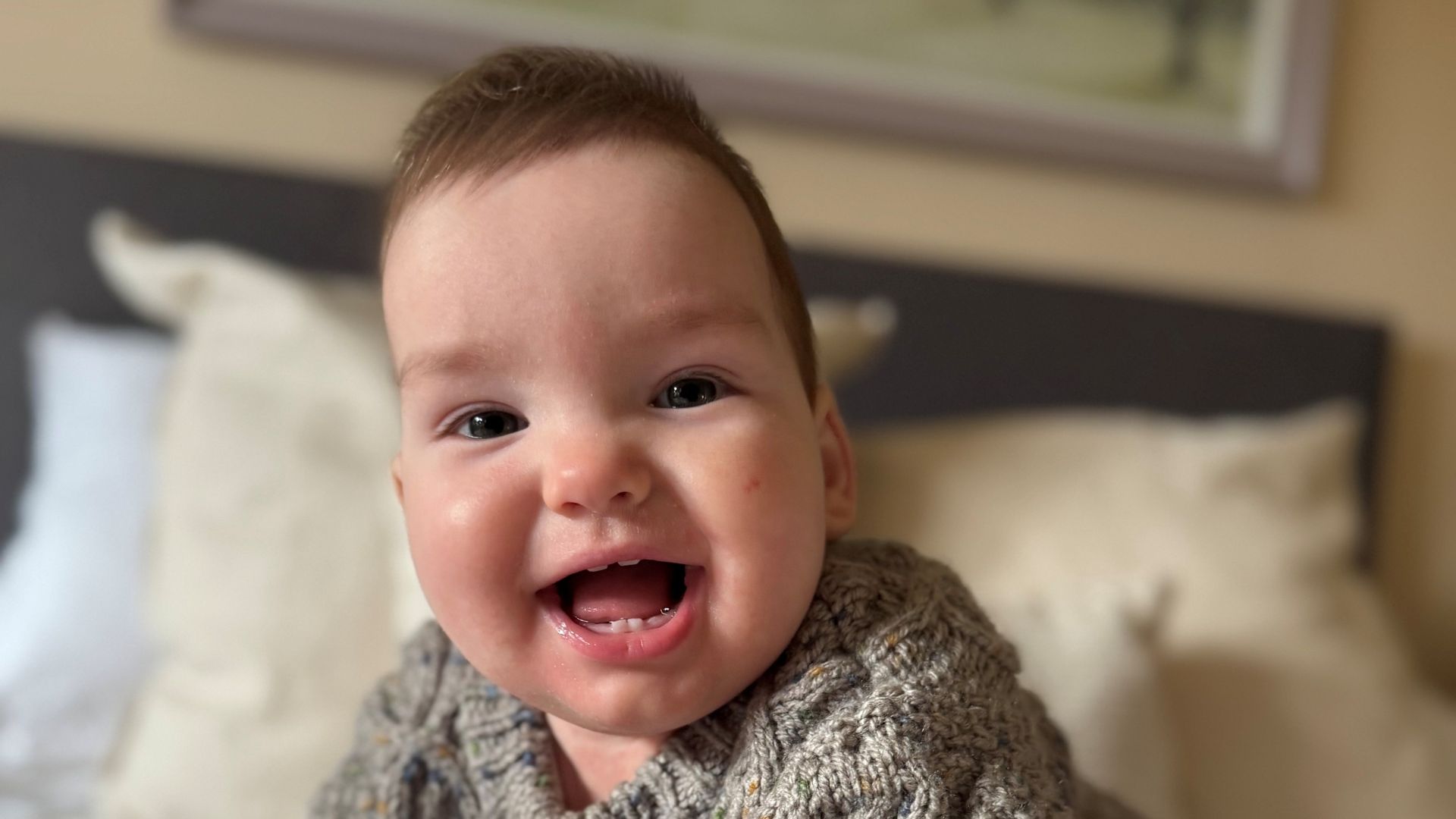
To the medical staff, the patient is a critical case of pulmonary hypertension and subsequent heart failure. To the machine, she is a complex equation of pressure thresholds and oxygenation curves. But to the couple staring through the glass, she is Ching Ching. She is thirteen years old.
She weighs exactly twenty-five kilograms. That is fifty-five pounds. It is the weight of a standard bale of hay, or a large breed of dog, or a large suitcase packed for a two-week vacation. It is an excruciatingly specific physical parameters that dictates her survival.
The Geometry of a Scarce Geometry
An organ transplant is not merely a biological match; it is a spatial one. A thirteen-year-old girl whose body has been withered by chronic illness cannot accept the lungs of a grown man. The thoracic cavity is a rigid vault of bone and muscle. Force a larger organ inside, and it will compress itself to death, suffocating the very life it was meant to extend.
Ching Ching needs a double miracle. She needs a heart, and she needs lungs. They must come from the same donor. And that donor must be someone who lived, breathed, and tragically left this world at roughly the same physical scale as a twenty-five-kilogram girl.
Consider the cold mathematics of the waiting room. Last year under the Hong Kong Hospital Authority, seventy-six human beings waited for a heart. Only twelve received one. Twenty-one waited for a lung. Only six found a match. When you require both simultaneously, the statistics cease to look like a waiting list and begin to look like a lottery where the ticket costs everything you have.
The girl has spent her life navigating hospitals, but this time is different. The previous surgeries were hills to climb; this is a cliff edge. When her parents try to talk about the future, the conversation collapses.
"I'm so scared," she says, her voice muffled by the sterile environment. "I'm so scared of surgery and it failing. I'm so scared I won't be able to go home."
Her desire is not grand. She does not dream of world travel or fame. She wants to go home to Kowloon City, sit in her own chair, eat her favorite foods, and exist in a space that does not smell of antiseptic.
The Paradox of the Signed Form
Over the past weeks, her parents have become professional signers of worst-case scenarios. Every few days, a doctor approaches with a clipboard. To attempt to stabilize her, to clear a line, to adjust the machine keeping her blood moving, requires consent. Every form is a literary tour through human vulnerability. The words stroke, massive hemorrhage, and systemic infection appear with a casual regularity that numbs the brain.
They sign every time. They sign because the alternative is immediate cessation. But the father admits to a strange, dark irony: the form they most desperately want to sign—the authorization for a full heart-lung transplant—is the one that requires another family's world to end.
To receive an organ is to participate in an involuntary exchange of grief. For Ching Ching to walk out of the hospital, another child must fail to walk out of another. It is a reality that the family handles with a delicate, trembling reverence. They are not wishing for tragedy; they are praying that if tragedy should strike another household, an act of radical generosity might rise from the debris.
The search has expanded beyond the borders of Hong Kong. The Hospital Authority is currently working with mainland Chinese networks to find a cross-boundary match through a specialized emergency allocation system. It is a logistical tightrope. If a donor is found across the border, a massive apparatus of customs, medical transport teams, and surgical staff must move with the precision of a Swiss watch. The ischemic time—the window during which an organ can survive outside a human body—is ticking downward from the moment of retrieval. Every minute spent on a tarmac or at a checkpoint is a minute stolen from a thirteen-year-old's future.
The True Cost of Silence
The real crisis of organ donation in modern cities is not a lack of technology or medical brilliance. It is a lack of conversation.
We avoid the topic because it requires us to imagine our own mortality or, worse, the mortality of our children. We leave the boxes unchecked on our identification cards because we assume there is always more time. But time is precisely what is running out in the Paediatric ICU.
Right now, a machine is doing the work of a young girl's chest. It is a triumph of engineering, but it is a temporary bridge, not a destination. The bridge grows shorter with every passing sunset.
The parents do not use the language of policy or statistics when they talk about their daughter. They talk about her empty bedroom. They talk about the quietness of a house without a teenager's complaints and laughter. They are waiting for a stranger to make a choice in the darkest moment of their own life—a choice to look past their own grief and see a twenty-five-kilogram girl who just wants to go home.