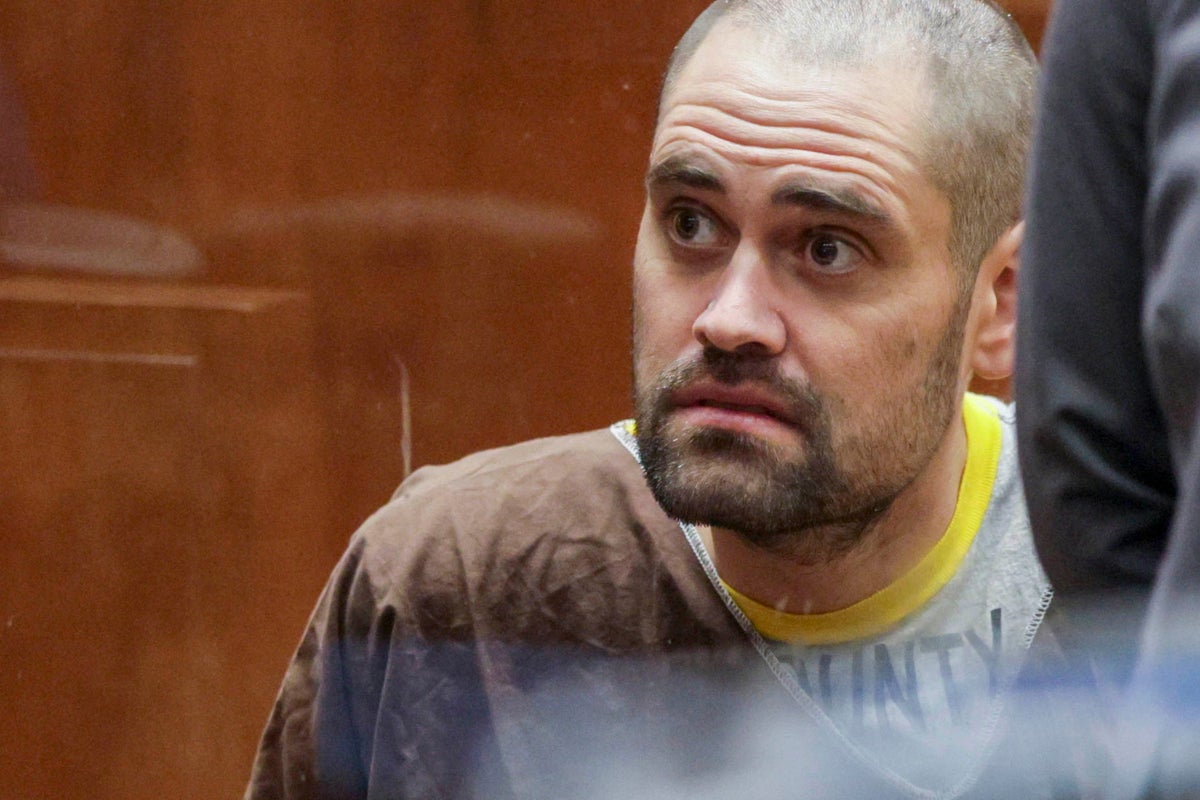
The trial of Duane "Keffe D" Davis in Las Vegas is less a pursuit of justice for a thirty-year-old crime and more a collision between street-level retribution and the insatiable appetite of the fame economy. Davis, currently standing trial for the murder of Tupac Shakur, is not accused of pulling the trigger. Instead, he faces charges of orchestrating the killing, a theory prosecutors argue is supported by his own boastful admissions. The state contends that Davis, then a leader of the South Side Compton Crips, directed the fatal drive-by shooting in September 1996 to avenge a beating his nephew received earlier that night at the MGM Grand.
This courtroom drama centers on an uncomfortable reality. Had Davis stayed silent, the case likely would have remained a cold file lost to the archives of urban violence. By choosing to monetize his history in a memoir and various media appearances, Davis effectively handed the state the evidence they lacked for decades. It is a cautionary tale about the intersection of criminal legacy and the desire for notoriety.
The prosecution’s opening statements underscore a narrative of calculated revenge. They intend to place Davis in the white Cadillac from which the shots were fired, but they openly admit he was the architect rather than the gunman. This distinction is significant. It moves the trial away from the mechanical question of "who fired the weapon" and toward the broader, more complex question of criminal accountability within a gang hierarchy. The state’s strategy relies heavily on the testimony of a man who has made a career out of his own criminality.
Defense attorneys face an uphill climb that relies almost entirely on undermining the reliability of the defendant’s own words. Their argument is rooted in the skepticism of the marketplace. They contend that Davis’s book, Compton Street Legend, was a commercial product written for profit rather than a factual account of the night. By framing his claims as creative writing or sensationalized storytelling, the defense hopes to detach his public persona from the legal facts. If the jury believes that the book is more fiction than testimony, the prosecution’s strongest link to the crime begins to fray.
There is a wearying familiarity to this process. For the family of Tupac Shakur, the courtroom in Las Vegas is not merely a stage for legal proceedings but a place of persistent, unresolved grief. Maurice "Mopreme" Shakur has described the experience as inherently painful, noting the necessity of showing up for a relative who became a global icon. Yet, the trial itself serves as a reminder that the passage of time does not dilute the trauma of such an event. The industry that grew around Tupac’s music and his myth continues to thrive, while the individuals involved in the physical act of his death—most of whom are now dead—left behind only fragmented memories and disputed narratives.
The trial also exposes the limitations of cold case prosecutions. After three decades, the witnesses are aging, memories have faded, and the social dynamics that led to the shooting have shifted entirely. We are no longer looking at the streets of 1996 but at the distorted reflection of those streets as viewed through the lens of modern legal scrutiny. The prosecution is attempting to rebuild a mountain of evidence out of pebbles. They are banking on the idea that Davis’s vanity ultimately outweighed his discretion.
One must consider the role of the public in this theater. The demand for information regarding the death of such a prominent figure has created an atmosphere where the truth is often overshadowed by the spectacle. When individuals like Davis leverage their proximity to tragedy for fame or money, they create a feedback loop that benefits media narratives but complicates judicial proceedings. The court’s decision to implement a lottery for gallery seating is a reflection of this cultural obsession. It turns a murder trial into a ticketed event, highlighting how deeply entrenched the figure of the celebrity martyr has become in our collective consciousness.
Whether the state can secure a conviction depends on the jury’s ability to separate the man who sold a story from the man who allegedly ordered a killing. If they find Davis guilty, it will be a victory for the state’s long-standing effort to close a high-profile case. However, it will also be a moment that acknowledges how modern confession-based media culture can inadvertently serve as a tool for the state. If they acquit, it will likely be because the burden of proof, stretched thin over thirty years, simply couldn't be met.
The irony is that the truth of what happened on that Las Vegas street is likely simpler than the trial suggests. It was a chaotic, impulsive act of violence born of youthful aggression and gang dynamics. Now, that act is being dissected with surgical precision, stripped of its original context, and reassembled into a legal case that serves the needs of the justice system. The reality of the crime is buried under layers of interpretation, book deals, and decades of speculation.
The trial of Duane Davis is not just about a murder. It is a document of our inability to leave the past alone. We constantly revisit these events, not because we expect to find a new reality, but because we are looking for a definitive ending to a story that has been repeating itself in the cultural psyche for too long. Justice, in this instance, is not about restoration. It is about finality. We want the case to close so we can stop pretending that the past is still present.
The courtroom proceedings continue, the witnesses prepare to take their seats, and the world watches to see if the law can finally capture what the streets could not. Whether or not Davis is the right man for this specific punishment, the trial stands as a testament to the fact that, in the world of high-profile crime, silence is often the only defense that truly works. Once the silence is broken, everything else is just waiting to be taken apart.