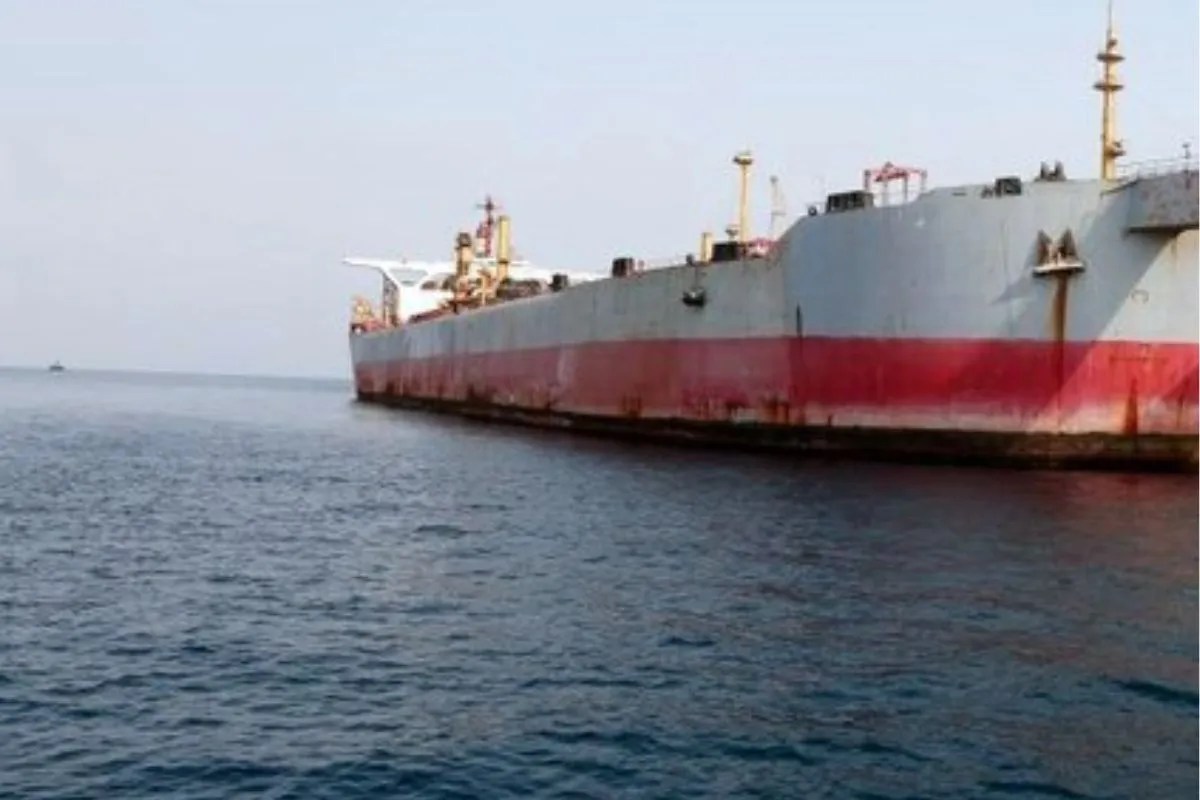
The Strait of Hormuz is the world's most sensitive chokepoint. If you've been following maritime news lately, you've likely seen the wild claims floating around. Rumors suggested that Iran started charging a massive $2 million fee for every single vessel passing through these waters. It sounds like a geopolitical extortion plot. If it were true, global oil prices would probably be hitting record highs by the time you finish reading this sentence.
But it's not true. At least, not in the way the internet grapevine is painting it.
Iran's Ports and Maritime Organization recently had to come out and shut these rumors down. They've officially denied the "transit fee" narrative. However, simply saying "it's fake news" doesn't explain why the rumor started or how the Strait actually operates. To understand what's really happening, you have to look at the intersection of international law, regional tension, and the cold reality of maritime logistics.
Why the Two Million Dollar Figure is Ridiculous
Let's look at the math for a second. About 20 to 30 large tankers pass through the Strait of Hormuz every single day. If Iran were actually pocketing $2 million per ship, they'd be raking in $40 million to $60 million daily. That's over $20 billion a year. In the world of shipping, that kind of overhead would trigger an immediate global crisis. Shipping companies don't just "absorb" a $2 million hit. They pass it to you at the gas pump.
International law also stands in the way. Under the United Nations Convention on the Law of the Sea (UNCLOS), ships enjoy the right of "transit passage" through international straits. This means they can pass through as long as they stay continuous and expeditious. While Iran has signed but not fully ratified UNCLOS, they've generally adhered to its principles for decades to keep trade flowing. Charging a flat fee for passage would be a flagrant violation of these norms. It would essentially be an act of maritime aggression.
What Iran Actually Said
The Iranian authorities didn't just ignore the noise. They addressed the reports head-on. The rumors claimed that the Iranian Revolutionary Guard Corps (IRGC) was the entity collecting these fees. Iranian officials called these claims "baseless" and "psychological warfare." They pointed out that there is no legal mechanism or documented case of a commercial ship being forced to pay a "toll" to use the strait.
Most of these rumors originate from social media accounts or fringe news outlets looking for engagement. In a region as volatile as the Persian Gulf, a small spark can turn into a forest fire. People see a headline about a seized tanker and jump to the conclusion that a new tax is being enforced. That’s a dangerous leap.
The Reality of Costs in the Strait
While there isn't a $2 million "entry fee," it's getting more expensive to sail through the Gulf. This isn't because of an Iranian tax. It's because of insurance.
When tensions rise, "war risk" premiums skyrocket. This is a real cost that ship owners pay to private insurance companies in London and New York, not to the Iranian government. If a tanker is worth $100 million and is carrying $100 million worth of crude, the cost to insure that single voyage through a "high-risk area" can easily reach hundreds of thousands of dollars.
So, while the $2 million figure is a fabrication, the financial pressure on shipping is very real. You're seeing companies pay for:
- Private security teams on board.
- Increased fuel consumption to transit quickly.
- Higher wages for crew members working in "danger zones."
Why These Rumors Keep Surfacing
Misinformation doesn't happen in a vacuum. It usually hitches a ride on a grain of truth. Iran has indeed seized vessels in the past—usually citing legal violations, collisions, or environmental damage. When a ship is detained, there are often heavy fines involved. If a massive tanker is held for weeks and then released after paying a multi-million dollar fine for "environmental damage," a casual observer might mistake that for a transit fee.
There is also the "Green Tax" or "Environmental Fee" debate. For years, some Iranian officials have floated the idea of charging ships for the environmental upkeep of the Persian Gulf. They argue that since the ships cause pollution and use Iranian services, they should pay. But floating an idea in a meeting is very different from implementing a $2 million toll on every vessel.
Understanding the Strategic Leverage
Iran knows that the Strait of Hormuz is their biggest bargaining chip. They don't need to charge a toll to exert power. The mere threat of closing the strait or interfering with traffic gives them more leverage in international negotiations than any fee ever could.
If you're looking at this from an SEO or news perspective, the "2 million dollar toll" is a classic example of a "fear-based" keyword. It gets clicks because it implies a total breakdown of the global order. But the reality is much more boring and bureaucratic. Ships are moving, the IRGC is watching, and the fees you’re hearing about are likely just the rising costs of doing business in a neighborhood that hasn't seen peace in a long time.
How to Verify Shipping News
Don't get caught up in the hype. If you want to know what’s actually happening in the Strait, look at the BIMCO reports or updates from the International Chamber of Shipping. These organizations represent the people actually paying the bills. If there were a $2 million toll, they would be the first to scream about it.
You can also track tanker traffic via public AIS data. If traffic remains steady, it’s a sign that the "toll" is a myth. No shipping line would continue regular operations under those conditions without a massive legal fight.
Check the freight rates. If the cost of shipping a barrel of oil from the Gulf to Asia hasn't suddenly tripled, the "toll" doesn't exist. Market forces are much faster than news outlets at spotting a real change in the Strait. Keep your eye on the numbers, not just the headlines.