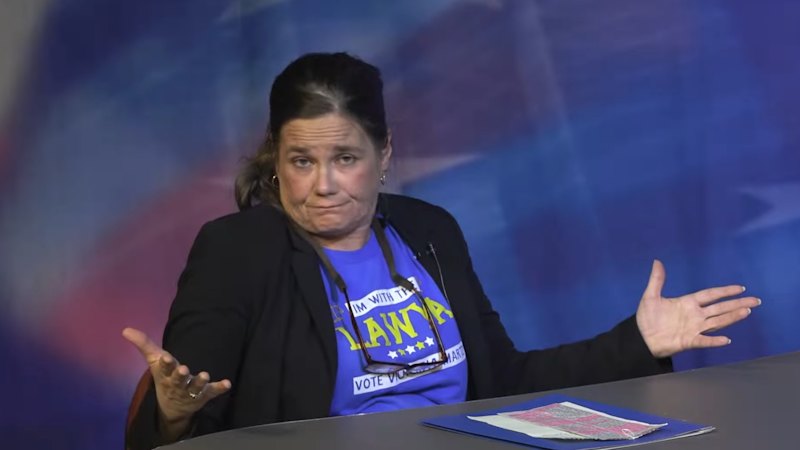
Federal agents raided Rep. Ilhan Omar's Washington, D.C. home on October 12, 2026, seizing her phone and escalating a federal investigation aimed at stripping her citizenship. Weeks before the midterm elections, President Donald Trump turned a longtime political feud into an aggressive executive probe focused on decades-old birth date and citizenship paperwork.
Yet on November 3, 2026, voters in Minnesota's Fifth Congressional District sent Omar back to Congress for a fifth term anyway. In other developments, take a look at: The Fragile Pulse Behind Every Pump.
Honestly, watching this play out feels like a textbook case of political overreach colliding with democratic pushback. When the White House points federal law enforcement at a sitting member of Congress right before an election, it stops looking like routine oversight and starts looking like personal score-settling. Voters in her district clearly didn't buy the spectacle, and legal watchdogs across the political spectrum have raised alarms about what happens next.
How Trump's Retribution Campaign Against Ilhan Omar Escalated
This didn't start out of nowhere. For years, Trump has singled out Omar—one of the first Muslim women elected to Congress and a frequent critic of his policies—with sharp rhetoric targeting her background, faith, and immigration history. In January 2026, Trump publicly stated that Omar should "absolutely" lose her U.S. citizenship. BBC News has analyzed this fascinating topic in extensive detail.
By autumn, words gave way to federal enforcement action. Reporting from outlets including Reuters and The Washington Post detailed an administration investigation probing Omar's birth date and citizenship records with the stated goal of revoking her citizenship and pursuing deportation. According to The Washington Post, the Department of Homeland Security had previously declined to pursue an investigation years earlier based on similar claims.
The October 12 raid in D.C. marked a sharp turning point. Omar immediately called the action an effort to target political enemies and weaponize federal law enforcement, vowing not to be silenced. Around the same time, a Minnesota grand jury subpoenaed relatives of hers, including her sister, while D.C. U.S. Attorney Jeanine Pirro indicated multiple probes were underway, including a look at her financial disclosures.
A Familiar Playbook Across Washington
Looking closely at the broader picture, Omar isn't the only high-profile figure who has found herself in the crosshairs of administration investigations. Critics and legal groups point to a consistent sequence: public attacks or demands from the president first, followed by federal inquiries or legal pressure.
Groups like the Not Above the Law Coalition and Common Cause have argued that these actions aren't isolated disputes. Even centrist organizations like Third Way, which frequently clash with Omar on policy, condemned the use of Justice Department power against political opponents.
What makes this pattern so tricky for defenders of the administration is how often aggressive moves run into stiff legal headwinds. In earlier clashes involving other prominent figures—such as former FBI Director James Comey, New York Attorney General Letitia James, and Federal Reserve officials—investigations and prosecutions faced major legal challenges, dismissals, or inspector general reviews that cleared targets of wrongdoing. When a probe looks politically driven from day one, courts and independent reviewers scrutinize every shortcut.
Why Denaturalization Claims Carry High Legal Hurdles
Stripping a naturalized U.S. citizen of citizenship isn't a casual administrative step. Under federal law, denaturalization requires clear, unequivocal, and convincing evidence—a high legal bar designed to protect citizenship once granted.
When a sitting lawmaker is the target, the stakes get even higher. Members of Congress have constitutional duties to represent their constituents and conduct oversight without fear of selective retaliation. Using federal investigative machinery against a political critic raises serious separation-of-powers concerns, especially when earlier officials reportedly passed on similar allegations.
Common Misconceptions About Citizenship Probes
People hear "investigation into citizenship papers" and jump to all kinds of conclusions. Let's clear up a few misunderstandings that float around online:
- An investigation equals guilt: A search warrant, subpoena, or ongoing inquiry means investigators are gathering material—not that a court has revoked citizenship or proven fraud.
- Old rumors aren't automatically fresh evidence: Rehashing long-running political talking points doesn't lower the evidentiary threshold required in federal court.
- Congressional office isn't a free pass, nor is it a target: Being in Congress doesn't place anyone above the law, yet it also shouldn't make someone a special target for selective enforcement.
What the 2026 Midterms Showed on the Ground
In the final stretch before November 3, 2026, Trump leaned heavily into attacks on Omar as immigration crackdowns and heated campaign rhetoric dominated headlines. Commentators noted that focusing so intensely on a single Democratic lawmaker was a gamble.
In Minnesota's Fifth District, that gamble didn't pay off. Omar won reelection for a fifth time. Her victory showed that federal scrutiny and high-decibel attacks from Washington don't automatically move local voters the way campaign strategists might hope.
Still, winning an election doesn't make a federal investigation vanish overnight. Probes can drag on for months, draining time, money, and public attention while creating a chilling effect on speech and dissent. That's the real danger people talk about when executive power collides with partisan politics: even if a case eventually falters, the process itself becomes punishment.
Practical Steps If You're Following or Covering This Story
If you're tracking this story as a voter, constituent, or reader trying to cut through the noise, don't rely on viral clips or partisan spin. Here is how to stay grounded:
- Read primary court and agency filings when available: Look past headlines to see what specific legal authority, charges, or court rulings actually exist.
- Track independent checks: Watch how federal judges, inspectors general, and oversight committees respond—that's where constitutional limits get tested.
- Separate rhetoric from legal reality: Political speeches happen every day, but denaturalization and criminal cases require admissible proof under strict standards.
- Contact your representatives if institutional norms matter to you: Constituents can ask members of Congress how they plan to protect due process, oversight independence, and equal application of the law across party lines.
Donald Trump Targets Ilhan Omar, Reignites Feud Over Marriage provides helpful context on how Trump's attacks against Omar played out during the 2026 midterm cycle.