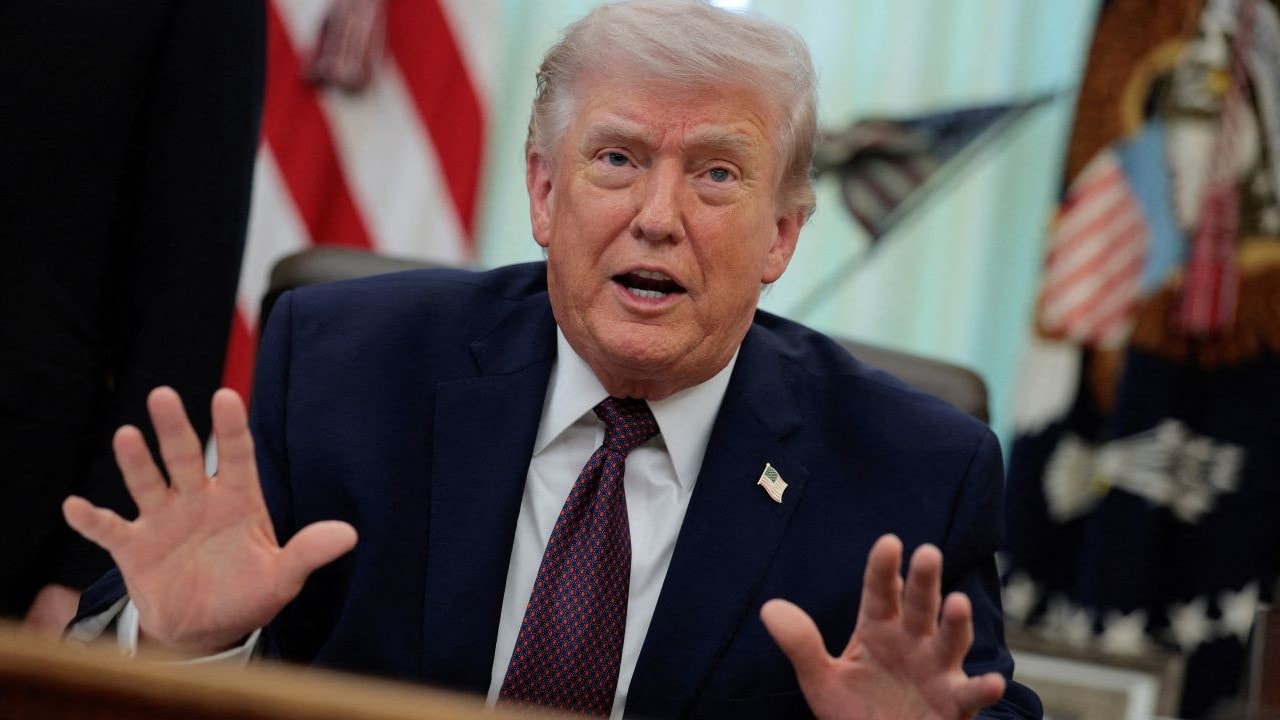
Donald Trump isn't buying what Tehran is selling. On Friday, as he walked away from the White House, he made it clear that the latest peace proposal from Iran just doesn't cut it. "At this moment I’m not satisfied with what they’re offering," he told reporters. It’s a blunt refusal that lands right as a critical 60-day war powers deadline hits, and honestly, the timing couldn't be more tense.
If you're wondering why this matters today, it's because we've been sitting in a fragile, three-week ceasefire that feels like it’s held together by Scotch tape and wishful thinking. Iran handed this new plan to Pakistani mediators on Thursday night, hoping to bridge the gap in a war that’s already sent oil prices on a rollercoaster. But for Trump, "almost" isn't good enough. He’s looking for a total win, and Tehran is still trying to haggle over the fine print of its nuclear program.
The sticking points that killed the deal
The big problem isn't just one thing; it’s a list of "non-starters" that the two sides can’t seem to move past. Trump’s team, led by figures like Marco Rubio and JD Vance, has been remarkably consistent. They want zero uranium enrichment. Period. Iran, on the other hand, is still clinging to what it calls its "right" to enrich, even if it's only for medical or civilian use.
There’s also the issue of the Strait of Hormuz. Iran has been floating a plan where they’d reopen the waterway but delay the "nuclear question" for later. They even suggested charging tolls for ships passing through. To the Trump administration, that looks less like a peace deal and more like a shakedown. Rubio basically said the U.S. won't normalize a system where Iran gets to decide who uses an international waterway and at what price.
A leadership crisis in Tehran
Trump didn't just slam the proposal; he took a swing at the people who wrote it. He described the Iranian leadership as "disjointed" and "messed up." It’s not just a typical Trumpian insult. There’s real evidence of a massive internal rift in Iran. While Foreign Minister Abbas Araghchi is out there trying to play the diplomat, the hardliners back home are delivering Friday sermons that basically spit on the idea of compromise.
The Supreme Leader’s office—now under Mojtaba Khamenei—issued a defiant statement just as the proposal was being delivered. He vowed to protect their "technological capacities," which is code for "we aren't giving up the missiles or the nukes." When you have one part of a government offering a deal and another part saying the U.S. belongs "at the bottom of the Persian Gulf," it's easy to see why Trump feels like he's negotiating with a ghost.
The 60-day clock and the legal loophole
Today, May 1, was supposed to be a major milestone because of the War Powers Resolution of 1973. Usually, a president has to stop military action after 60 days unless Congress gives the green light. Since hostilities kicked off in late February, today was the day the clock ran out.
But the administration has found a clever way around it. Defense Secretary Pete Hegseth argued that because there's been a ceasefire for the last few weeks, the "hostilities" have technically terminated or paused. Basically, the clock stopped ticking when the shooting stopped. This gives Trump the breathing room to keep the military pressure on without needing a vote from a divided Congress that’s currently on a one-week break.
What happens next
Don't expect a sudden breakthrough. The U.S. is still blockading Iranian ports, and inflation inside Iran has reportedly spiked past 50%. The "maximum pressure" strategy is back in full force, and it’s hitting the Iranian people hard. While oil benchmarks dropped about 5% on the news that a proposal even existed, that optimism is likely to evaporate once the market realizes how far apart the two sides actually are.
If you’re tracking this, watch the Pakistani backchannel. They’ve been the primary mailman for these proposals since Trump canceled his envoys’ trip to Islamabad last week.
Your move
- Monitor the Strait of Hormuz: If negotiations stay stalled, expect Iran to tighten its grip on the waterway again, which will spike gas prices instantly.
- Watch the ceasefire: Both sides are trading accusations of violations. One "accidental" strike could end the diplomatic path entirely.
- Ignore the "inches away" rhetoric: Iranian diplomats often say a deal is close to save face at home. Look at the actual demands—until someone moves on enrichment, there is no deal.