The era of "calculated escalation" is dead. If you’ve been watching the headlines out of Washington and Tel Aviv over the last week, you know we aren't looking at a repeat of the 2019 tanker wars or even the 2020 Soleimani strike. This is something much more final. President Donald Trump has made it clear that he isn't looking for a seat at the table with the Islamic Republic anymore. He’s looking for the exit sign for their entire leadership.
Aboard Air Force One this weekend, Trump didn't just reject the idea of a ceasefire; he basically suggested that by the time the smoke clears, there might not be anyone left to sign a surrender document. It’s a jarring shift from the "deal-maker" persona he cultivated during his first term. Back then, he always left a door open for a phone call. Now, that door is being kicked off its hinges.
The End of Negotiations and the Rise of Operation Epic Fury
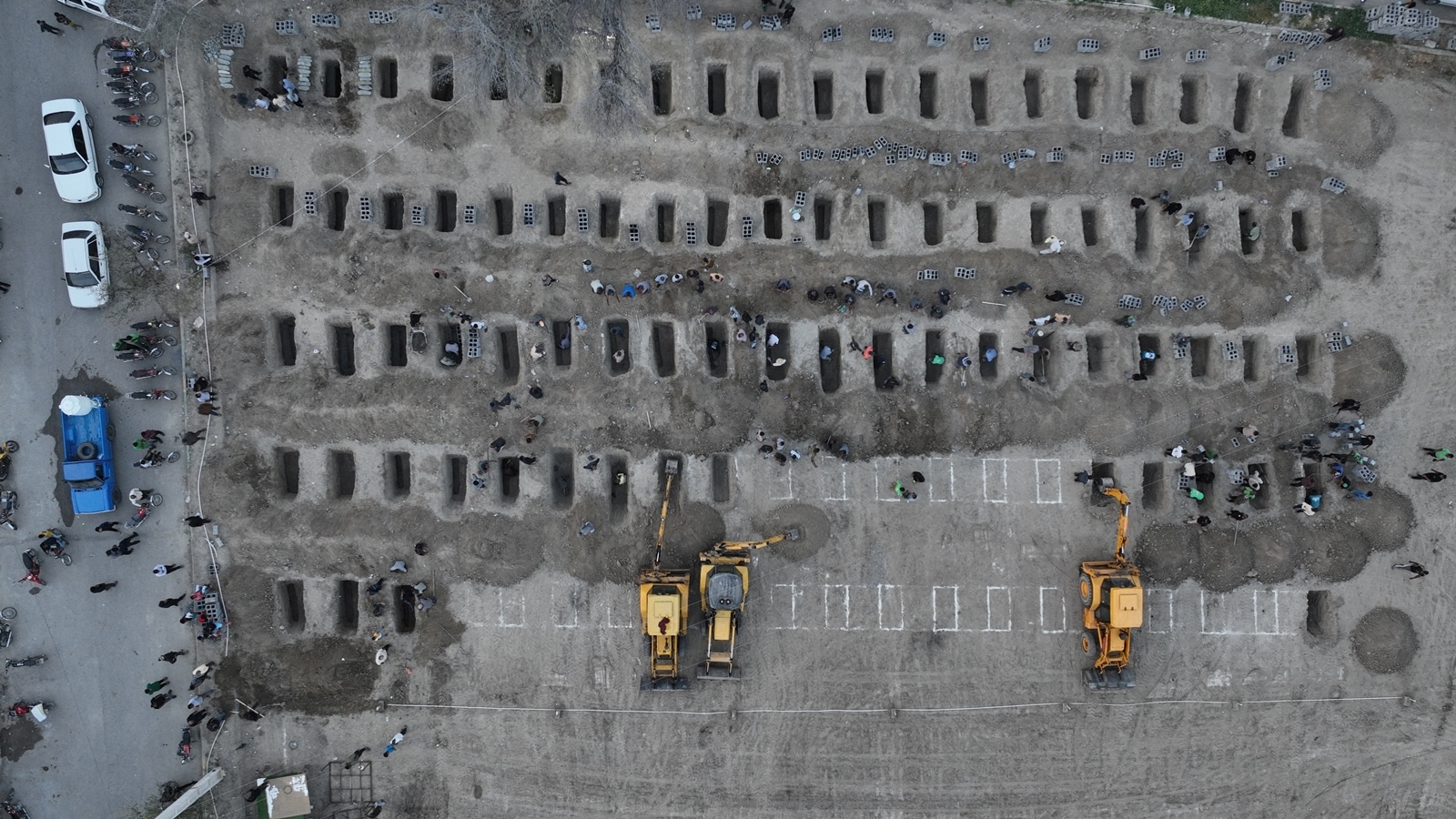
The U.S. and Israel launched Operation Epic Fury on February 28, 2026. Within the first twenty-four hours, the landscape of the Middle East shifted permanently. We aren't just talking about hitting a few enrichment centrifuges or a missile warehouse. The strikes directly targeted the heart of the regime, killing Supreme Leader Ali Khamenei and dozens of high-ranking officials in the opening salvo.
Most analysts expected a quick pivot to diplomacy after such a massive blow. That’s how the old world worked. You hit hard, then you talk. But Trump has flipped the script. He’s demanding "unconditional surrender," a term we haven't heard much in modern warfare since the 1940s.
It's not just rhetoric. When asked about a timetable, Trump’s response was a blunt "whatever it takes." He isn't worried about gasoline prices or "forever wars" right now because, in his mind, this is the war to end the Iranian threat once and for all. He’s betting that a week of absolute devastation is better than forty years of "maximum pressure" that never quite reached the finish line.
Why the White House Is Done Talking
You might wonder why the administration suddenly decided that talking is a waste of time. Honestly, it comes down to a fundamental shift in how Trump views the Iranian leadership. He’s stopped calling them "adversaries" and started calling them "mentally sick" and "crazy."
- The Nuclear Deadline: Last year, Trump gave Tehran a 60-day window to reach a new nuclear deal. They didn't take it.
- The Assassination Plots: Reports surfaced that Iran had been actively plotting to assassinate Trump and other U.S. officials during the 2024 campaign. For Trump, this made the conflict personal.
- The Venezuela Blueprint: The January 2026 abduction of Nicolás Maduro in Venezuela by U.S. Special Forces proved to Trump that "regime change" doesn't have to mean a ten-year ground invasion. It can be fast, surgical, and total.
The goal now isn't a better version of the JCPOA. The goal is a "Western-friendly government." Trump even said the U.S. has to be involved in choosing who leads Iran next. He’s literally looking at the succession line—dismissing Mojtaba Khamenei as a "lightweight"—and suggesting the U.S. will vet the next occupant of the leader’s chair.
The Ground Reality Inside Iran
Inside Iran, the situation is chaotic. President Masoud Pezeshkian is trying to play the moderate, apologizing to neighbors for Iranian retaliatory strikes and calling the U.S. surrender demands a "dream." But he’s losing ground. The Revolutionary Guard (IRGC) is still firing back, hitting U.S. bases in Bahrain and causing explosions near Doha.
The "Maximum Chaos" strategy from Tehran is their last card. They’ve effectively shut the Strait of Hormuz, sending oil prices toward $150 a barrel. They’re hoping the global economy screams loud enough to force Trump to stop. But they’re miscalculating. Trump’s betting that the world can handle a few months of expensive gas if it means the "head of the snake" is gone for good.
Comparing the Military Power Gap
| Feature | Pre-War Iranian Capability | Current Status (Post-Operation Epic Fury) |
|---|---|---|
| Air Force | Aging fleet of F-4s and Mig-29s | Effectively non-existent |
| Navy | Fast-attack boats and submarines | Disabled or port-bound |
| Missile Arsenal | ~3,000 ballistic missiles | ~500 remaining (launchers being hunted) |
| Command Structure | Centralized under Supreme Leader | Fractured; key leaders killed |
The Israeli military reports that they’ve already hit over 700 regime targets. Two-thirds of Iran's missile launchers are reportedly junk now. The tech gap is so wide that it’s not even a fair fight; it’s a systematic dismantling.
The Kurdish Factor and Internal Collapse
One of the most interesting "wild cards" in this conflict is Trump’s open encouragement of Iranian Kurdish forces. He’s basically told them it would be "wonderful" if they crossed the border from Iraq and started taking out security forces in western Iran.
This is a classic "pincer" move. You hit them from the air with the most advanced stealth bombers in the world, and you encourage an internal uprising at the same time. Trump is telling the Iranian people to "take back your country" while promising them "immunity" if they flip. It’s a bold, high-stakes gamble to see if the regime will collapse from within before the U.S. has to commit a single boot on the ground.
What This Means for the Region
The "Axis of Resistance" is crumbling. With Hamas and Hezbollah already decimated by Israeli operations in 2024 and 2025, Iran is standing alone. Even their allies in the Gulf are distancing themselves. Saudi Arabia's Crown Prince Mohammed bin Salman is reportedly pushing Trump behind the scenes to finish the job, even as he calls for "peace" in public.
Nobody wants a regional conflagration, but nobody wants a nuclear-armed, vengeful Iranian regime either. Trump has decided that the risk of the war spreading is lower than the risk of letting the Islamic Republic survive this round.
If you’re looking for a peaceful resolution or a return to the "Maximum Pressure" sanctions of 2018, you’re looking at the wrong map. We’ve moved into the "Maximum Destruction" phase. The U.S. isn't looking for a deal; it's looking for a new map of the Middle East where the current Iranian government doesn't exist.
The next few days will be telling. Watch for whether the Assembly of Experts tries to appoint a new Supreme Leader or if the whole system starts to fold under the pressure of the Kurdish incursions and the relentless air campaign.
If you want to stay ahead of this, keep an eye on the oil markets and the movements of the Iranian Kurdish militias. The real story isn't just the bombs falling on Tehran; it's the power vacuum forming underneath them. You should monitor the official White House briefings and the IDF's updates, as the situation on the ground is moving faster than the diplomatic cables can keep up with.