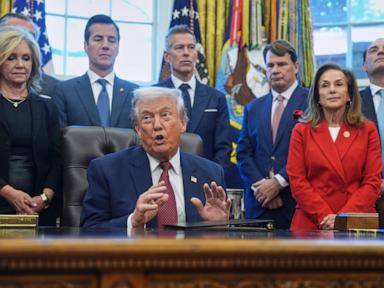
Fuel prices are choking commercial transport and agricultural supply chains, pushing politicians to look for quick fixes. When Donald Trump floated the idea of halting diesel exports to force domestic prices down, he tapped into a very real voter frustration. Diesel was sitting at record highs above six dollars a gallon, and truckers, farmers, and logistics companies were screaming for relief.
On paper, keeping the fuel at home sounds like a common-sense play. If you flood the local market with surplus supply, prices should drop. But energy markets don't work like grocery stores. Trying to bend an interconnected global commodity market through political force usually creates a worse disaster on the other side.
The Refinement Trap
The biggest misconception people have about fuel production is that you can just choose to make more of one specific thing. Crude oil doesn't turn into pure diesel or pure gasoline inside a refinery. It's a joint product.
When a refinery processes a barrel of crude, it spits out a fixed ratio of gasoline, diesel, and jet fuel. If you trap diesel inside the United States by banning its export, domestic storage tanks fill up fast. Because storage is expensive and logistically nightmarish, refiners won't just keep producing fuel to let it spoil or sit around. Instead, they'll scale back overall refinery operations.
Cutting back on total runs means you suddenly produce less gasoline too. Ironically, a diesel export ban can end up tightening gasoline supplies and driving everyday pump prices higher for regular drivers. Goldman Sachs and major energy trade groups have pointed out this exact feedback loop. You pull one lever to fix a localized symptom, and you break the engine.
International Fallout and Retaliation
America has spent decades positioning itself as an energy superpower and a reliable backstop for global fuel security. Major trading partners in Europe and Latin America rely heavily on American diesel imports to keep their own economies moving.
If Washington abruptly slams the door on those exports, international buyers won't just sit quietly. They'll find alternative suppliers, diversify their trade networks, and permanently question the reliability of American energy policy. Trust takes years to build in international trade and can be erased by a single policy panic.
Furthermore, stranding supply in the United States while the rest of the world faces a shortage will cause global prices to spike aggressively. Because domestic fuel prices are still anchored to global commodity pricing benchmarks, any massive shock abroad will eventually claw its way back into domestic markets anyway.
What Actually Needs to Happen
If political leaders genuinely want to lower energy costs, gimmicks like export bans won't cut it. Real relief requires addressing upstream production constraints, fixing bottlenecks in refining capacity, and navigating geopolitical tensions that throttle global crude flows.
When you treat a global shortage as a domestic plumbing problem, you're only shifting the pain from one group of voters to another while inviting international chaos. Take a close look at how fuel inventories actually move before buying into the illusion that a stroke of a pen can rewrite the laws of supply and demand.
The video above outlines how international markets react when U.S. fuel restrictions enter the conversation.
Stop looking for silver bullets in energy policy. Watch the refinery runs, track the crude spreads, and focus on expanding actual production capacity instead of playing dangerous games with international trade.