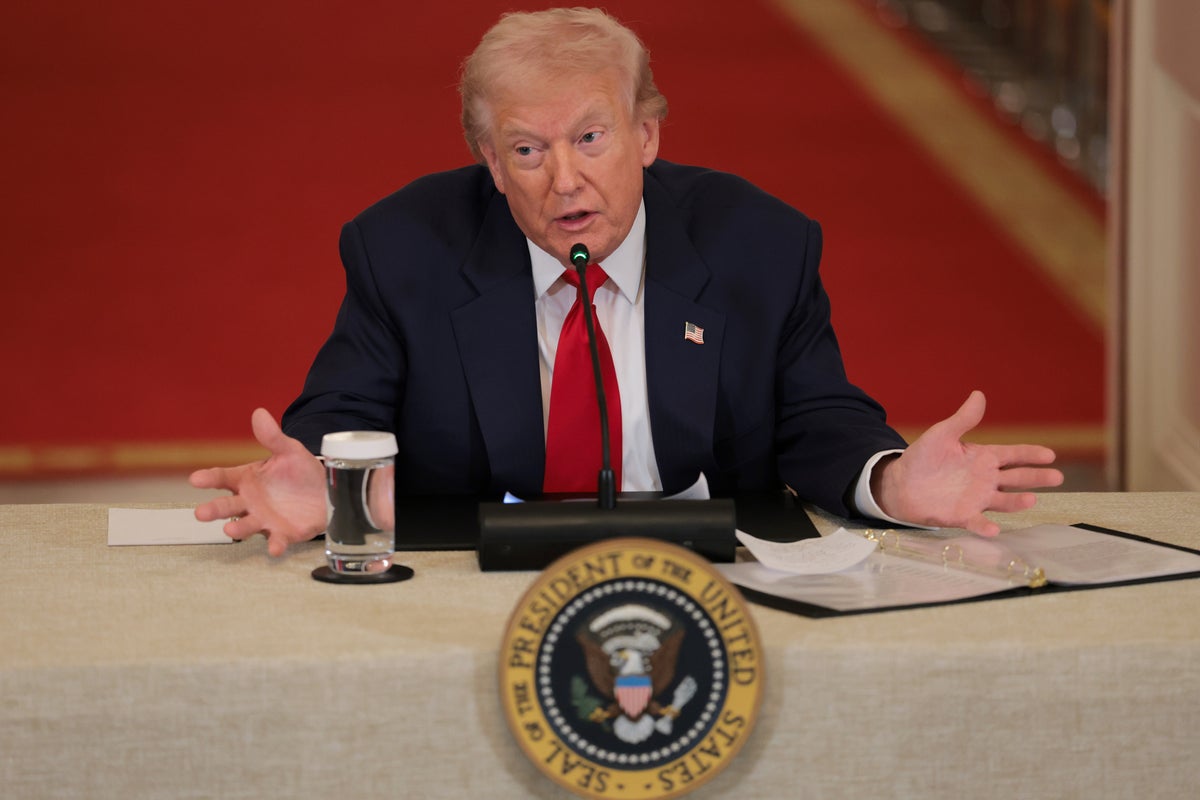
Oil just hit $119 a barrel, and Donald Trump wants you to know he isn't sweating it. While Wall Street is panicking and the Nikkei 225 is plunging 7%, the White House is framing this chaos as a necessary cost. Trump took to Truth Social on Sunday to brush off the record-breaking spike, calling it a "very small price to pay" for what he describes as long-term global safety.
It's a bold stance for a president who campaigned on lowering the cost of living. But as "Operation Epic Fury" enters its second week, the administration is betting everything on the idea that destroying Iran's nuclear threat will lead to a massive, permanent drop in energy costs later. They’re telling us the pain is short-term. The reality on the ground, however, looks a lot more complicated.
The hundred dollar barrel is back
For the first time since the invasion of Ukraine in 2022, Brent crude has smashed through the triple-digit barrier. It didn’t just tip over; it soared. At one point on Monday, prices hit $119.50. You're feeling this at the pump already. In the U.S., AAA reports that a gallon of regular gas jumped 47 cents in just seven days, hitting an average of $3.45.
Why the vertical climb? It’s not just the strikes. It’s the geography. The Strait of Hormuz is currently a ghost town. This narrow waterway handles about 20% of the world’s oil and liquefied natural gas. Right now, over 200 tankers are sitting at anchor, refusing to move because the Iranian Revolutionary Guard Corps (IRGC) has threatened to "set ablaze" any vessel in the trade route. When a fifth of the world’s energy supply gets choked off, prices don't just rise—they explode.
Trump says only fools worry about the spike
Trump’s message is blunt. He argues that the current "geopolitical risk premium" is a blip. "Short term oil prices, which will drop rapidly when the destruction of the Iran nuclear threat is over, is a very small price to pay for U.S.A., and World, Safety and Peace," he posted. He even added his signature flourish: "ONLY FOOLS WOULD THINK DIFFERENTLY!"
Energy Secretary Chris Wright has been doing the rounds on the Sunday shows to back this up. He told CNN that the disruption is a matter of "weeks, not months." The administration's theory is that once the Iranian regime is neutralized, the "nuclear threat" that has loomed over the Middle East for decades will vanish. In their view, this creates a "peace dividend" where oil eventually drops lower than it was before the war started.
The $200 threat from Tehran
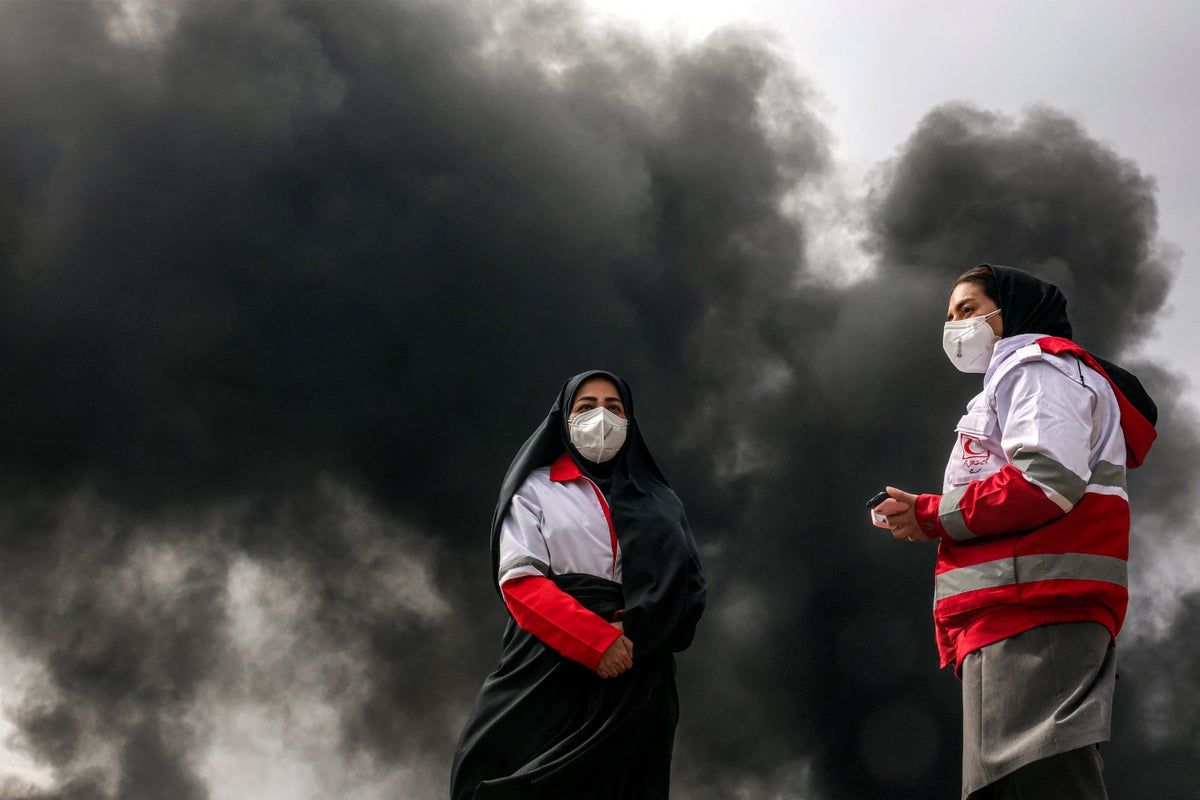
Tehran isn't going quietly. The IRGC has issued its own counter-warning: "If you can tolerate oil at more than $200 per barrel, continue this game." This isn't just tough talk. We've already seen strikes on the Shahran oil refinery and local fuel depots. Smoke from these fires is literally raining down on Tehran.
If Iran starts successfully targeting energy infrastructure in neighboring countries like Saudi Arabia or the UAE, the $119 we’re seeing now might look like a bargain. Qatar’s Energy Minister has already warned that Gulf producers might be forced to declare "force majeure" and stop exports entirely within days if the fighting continues.
What the market gets wrong about the timeline
Investors are currently priced for a short conflict. They’re betting Trump will do what he usually does: apply maximum pressure, get a result, and claim victory. But war rarely follows a script.
Even if the shooting stopped tomorrow, the energy market doesn't have an "on" switch. Analysts suggest it would take at least two weeks just to clear the naval backlog in the Gulf and up to two months to get production levels back to where they were in February. We’re also seeing "price cycling" in states like Ohio, Florida, and Texas, where retail prices might stay high long after the crude market stabilizes.
The G7 emergency plan
While Trump talks big on social media, behind the scenes, the G7 is scrambling. Finance ministers are currently discussing a massive, coordinated release of emergency oil reserves. This is the "break glass in case of emergency" move.
The goal is to flood the market with enough supply to offset the 20 million barrels per day deficit caused by the Hormuz shutdown. It might provide a temporary ceiling for prices, but it doesn't solve the underlying problem. As long as the missiles are flying, the shipping insurance rates remain astronomical, and the tankers stay anchored.
Why this matters for your wallet
If you're trying to figure out how to navigate this, don't expect a quick fix at the gas station. Here is the bottom line:
- Inflation is peaking again: Economists at NAB estimate inflation could hit 5% by June if oil stays above $100.
- Stock market volatility: The Dow and S&P 500 are already showing 1.5% losses in futures trading. This war is an "inflation shock" that makes interest rate cuts almost impossible for the Fed right now.
- Supply chain lag: Higher fuel costs mean higher shipping costs for everything from groceries to electronics. Expect a "lag effect" where prices on shelves rise in about three to four weeks.
Trump’s gamble is that the American public will trade a few months of expensive gas for a "total victory" in the Middle East. It’s a high-stakes play. If the war drags into the summer, that "small price to pay" might start feeling like an existential threat to the global economy.
Watch the Strait of Hormuz. If tankers start moving again, the panic subsides. If they don't, $150 oil isn't just a scary headline—it's the next stop. Take a look at your monthly transport budget and assume these prices are the new normal for at least the next sixty days. Don't wait for a "rapid drop" that might be months away.