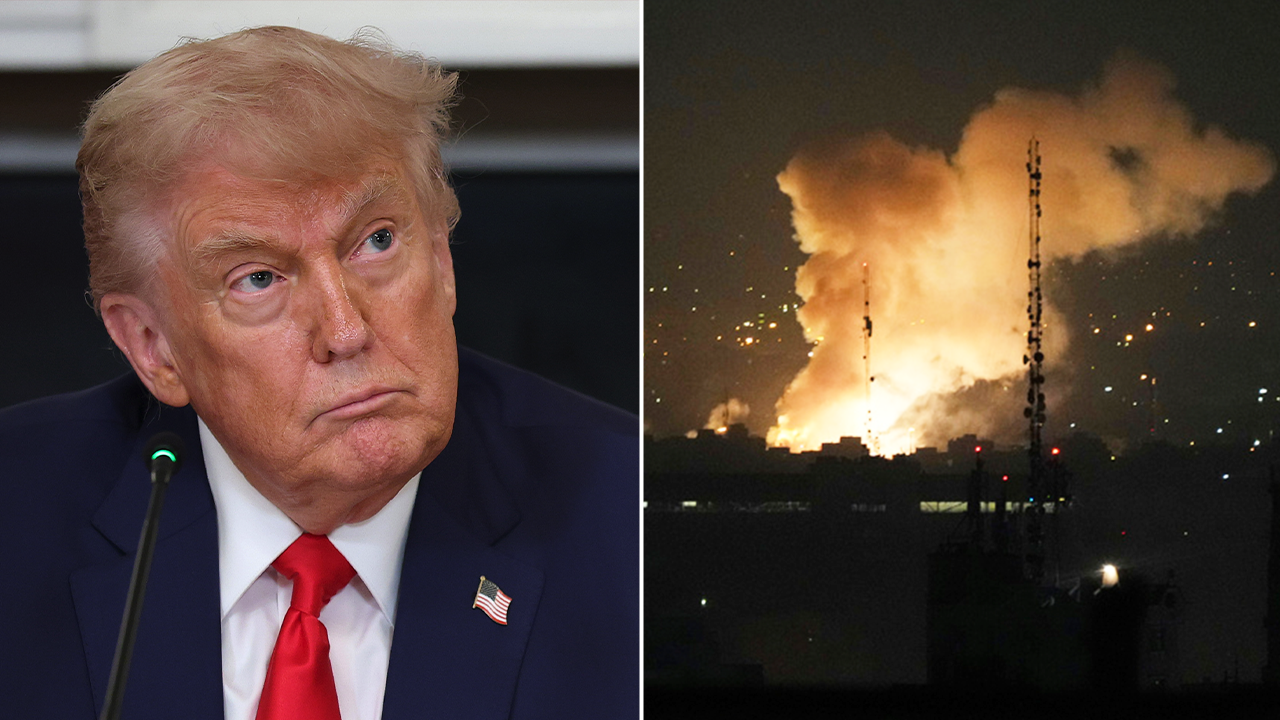
Donald Trump just put the global energy market on notice. By specifically naming Kharg Island as a target for potential strikes, he’s not just talking about military strategy. He’s signaling a return to a "maximum pressure" campaign that could fundamentally rewire how oil flows through the Middle East. If you think this is just another campaign trail threat, you haven't been paying attention to how the global economy actually functions.
Kharg Island handles roughly 90% of Iran's crude oil exports. It’s a tiny speck of land in the Persian Gulf, but it carries the weight of Iran’s entire economy. Trump’s rhetoric suggests a shift from containing Iran to actively dismantling its ability to fund its regional proxies. When the leader of the world’s largest military starts pointing at specific GPS coordinates, markets don't just listen—they react.
The Kharg Island bottleneck and the global energy crunch
Kharg Island isn't some high-tech fortress. It’s an aging piece of infrastructure that serves as the primary terminal for Iranian tankers. Because Iran relies so heavily on this single point of exit, it’s a massive "kill switch" for their revenue. Trump knows this. By threatening strikes here, he's telling Tehran that their primary source of hard currency is on borrowed time.
Most people don't realize how fragile the oil supply chain really is. If Kharg goes dark, we aren't just looking at a dip in Iranian exports. We're looking at a massive spike in Brent crude prices that will hit your local gas station within days. The ripple effect is real. When supply drops, the remaining barrels become more expensive for everyone, regardless of where they live.
The strategy here is simple: bankrupt the regime before they can further develop their nuclear program or increase support for groups like Hezbollah and Hamas. It's a high-stakes gamble. If it works, Iran is forced to the table. If it backfires, we see a regional war that makes previous conflicts look like minor skirmishes.
Pressure on the Strait of Hormuz and the role of allies
It isn't just about Kharg. Trump is also leaning hard on US allies to step up their game in the Strait of Hormuz. This narrow waterway is the world's most important oil transit point. About a fifth of the world's total oil consumption passes through it every single day.
For years, the US has footed the bill for patrolling these waters. Trump’s message to partners in Europe and Asia is clear: "Pay up or protect it yourselves." He’s tired of the US Navy acting as a free security guard for oil destined for China and Japan. This creates a massive dilemma for countries like the UK, France, and Germany. They hate the idea of a conflict with Iran, but they can't afford to have the Strait closed.
- Shipping costs: Insurance premiums for tankers in the Gulf are already through the roof.
- Military presence: The US expects regional partners like Saudi Arabia and the UAE to take a more active role in maritime security.
- Diplomatic fallout: This pressure forces a "with us or against us" scenario that many European diplomats find terrifying.
The Strait of Hormuz is essentially a choke point. Iran has often threatened to close it if they are attacked. By pressuring allies to bolster their presence now, Trump is trying to pre-empt that move. He wants a coalition that makes an Iranian blockade look like a suicide mission.
Why the market is terrified of a Kharg Island strike
Wall Street isn't worried about the morality of a strike; they're worried about the math. If Kharg Island is taken offline, roughly 1.5 to 2 million barrels of oil per day vanish. In a market that's already tight, that's a recipe for disaster.
We’ve seen this play out before. Every time tensions rise in the Gulf, oil speculators drive prices up. But this feels different. The specificity of the Kharg Island threat suggests that the plans are already on the table. It’s not a vague "we will respond." It’s a "we will hit this specific dock."
The China connection
You can't talk about Kharg Island without talking about China. Beijing is the primary customer for Iranian oil, often buying it at a discount through "ghost fleets" and ship-to-ship transfers. By targeting Kharg, the US is indirectly striking at China’s energy security.
China doesn't want a war, but they also don't want to lose their cheap oil supply. This puts them in a weird spot. Do they side with Iran to keep the oil flowing, or do they distance themselves to avoid US sanctions? Trump is betting they'll fold. He’s using the threat of a strike as a secondary lever against Beijing.
What this means for the average person
Look, you might think a dock in the Persian Gulf has nothing to do with your life. You're wrong. If Trump follows through, or if the threat alone causes Iran to lash out, the cost of everything goes up.
Oil isn't just for cars. It's for the plastic in your phone, the fertilizer for your food, and the fuel for the planes that deliver your Amazon packages. A strike on Kharg Island is an inflationary bomb.
I’ve spent years watching these geopolitical cycles. Usually, it’s a lot of bark and very little bite. But the current climate is uniquely volatile. We have a domestic political landscape that favors "strongman" tactics and a Middle East that is more polarized than ever.
Preparing for the fallout
If you're an investor or just someone trying to manage a household budget, you need to watch the headlines coming out of the Gulf very closely. Don't wait for the price at the pump to jump 50 cents before you start thinking about your energy consumption.
- Watch the "Ghost Fleet" movements: Keep an eye on reports regarding Iranian tankers. If they start clearing out of Kharg Island en masse, it means they expect a hit.
- Monitor the rhetoric from the UAE and Saudi Arabia: If these countries start getting quiet, it often means they've been briefed on upcoming military action.
- Diversify your energy exposure: If you have a portfolio, being "long" on energy might be a hedge against the chaos, but it’s a risky play.
The reality is that Kharg Island is the center of the chessboard right now. Trump is making a move that could either checkmate the Iranian regime or set the entire board on fire. There is no middle ground here. We are entering a phase of foreign policy where the risks are calculated in barrels of oil and lives lost.
Stay informed. Don't buy into the "it won't happen" narrative. In the world of global politics, the unthinkable happens right before it becomes the new normal. Watch the ships. Watch the straits. Most importantly, watch Kharg Island.