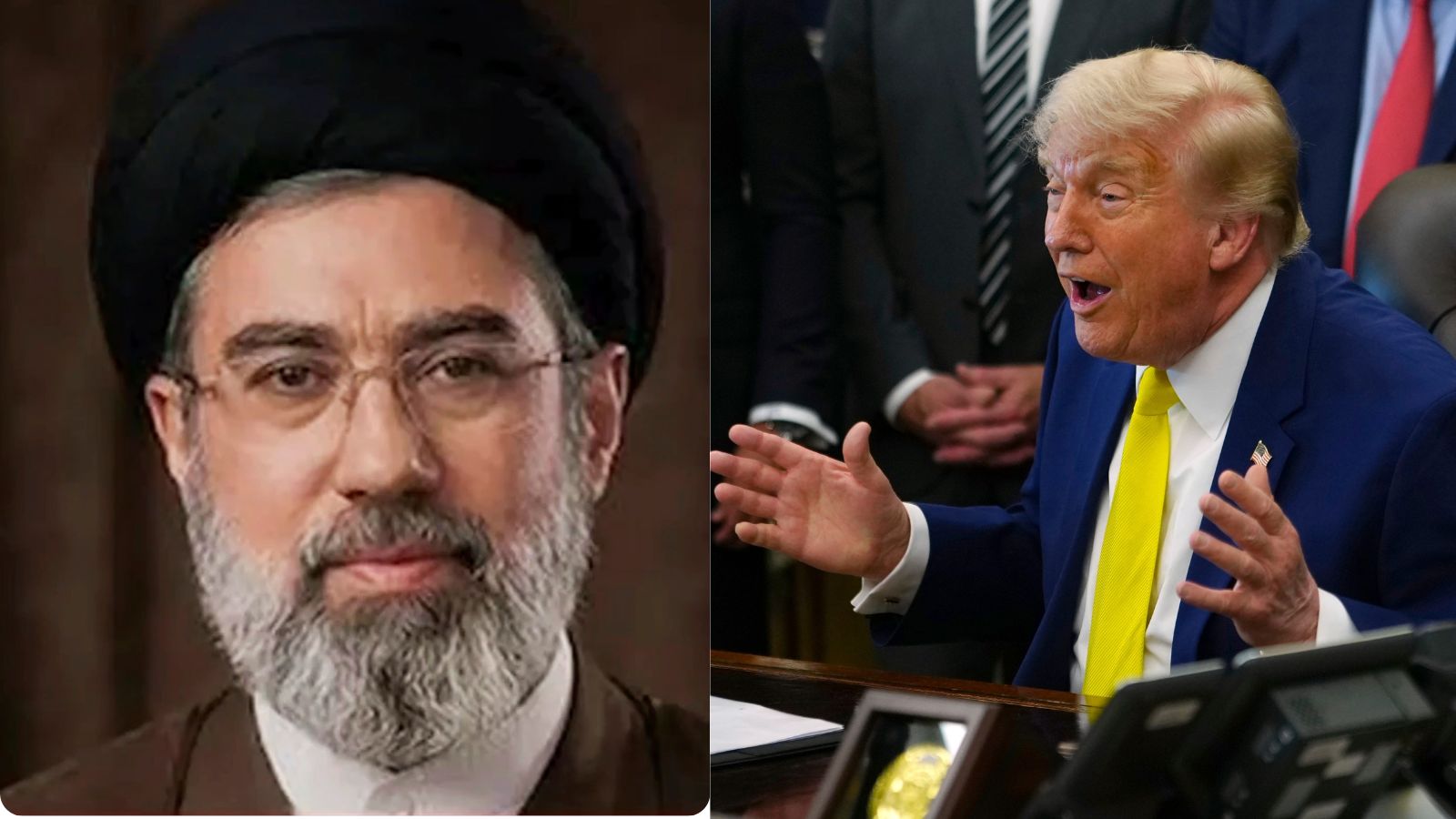
Donald Trump just declared on Truth Social that a sweeping, war-ending deal with Iran is scheduled to be signed. He promises the Strait of Hormuz will immediately open to all shipping. He claims the US will soon go in and get the "Nuclear Dust" buried deep under Iran's granite mountains, completely destroying its highly enriched uranium stockpile.
It sounds like a massive diplomatic victory. The problem is, Iran immediately pushed back on the timeline, and America's closest allies are privately scratching their heads.
If you're feeling a sense of deja vu, you aren't alone. We've seen this movie before. Eight years ago, Trump tore up the 2015 Obama-era nuclear deal, calling it the worst agreement ever negotiated. Now, after three months of brutal regional warfare, a fragile April truce, and weeks of halting negotiations, the White House is rushing to ink a replacement.
But a closer look at the actual mechanics of this pending memorandum of understanding reveals a high-stakes gamble. Trump wants a dramatic, televised victory to wind down the conflict. Tehran wants immediate economic survival. Neither side is being entirely transparent about what they're actually giving up.
The Clash Over Sunday’s Signing Ceremony
Trump's social media announcement was characteristically loud. He told the world that the deal is set for Sunday. He painted a picture of a smooth, rapid return to normalcy in the Middle East.
Iran's foreign ministry spokesperson, Esmaeil Baqaei, quickly threw cold water on that exact timeline. He explicitly stated that while a deal is close, it won't be signed Sunday. Iranian Foreign Minister Abbas Araghchi echoed that things are close but suggested a different format, hinting at a remote signing over the coming days.
This isn't just petty scheduling bickering. It exposes a massive gap in expectations.
Trump is treating this as a done deal to show maximum leverage and strength. Iran is signaling to its domestic audience that it isn't simply bowing to American ultimatums. They're haggling over the final text until the absolute last second.
What’s Actually Inside the New Deal
So, what does this emerging broad regional peace agreement actually look like? Senior US officials have dropped enough details to piecemeal the framework together. It's a 60-day memorandum of understanding meant to pave the way for a permanent treaty.
- The Uranium Stockpile: This is the biggest sticking point. Iran currently holds an estimated 400 kilograms of highly enriched uranium. Trump claims the US will oversee its destruction and removal, with or without Iran's help. However, US diplomats admit the current text only states the deal "leads to" the destruction of the material. The complex technical details of how to extract it from bombed-out underground facilities are being kicked down the road into a 60-day negotiation window.
- The Strait of Hormuz: Iran has blockaded this vital energy chokepoint for months, spiking global fuel and fertilizer prices. The deal requires Iran to lift the blockade immediately. But there's a catch. Iranian officials are already demanding they be allowed to charge passing ships "for services rendered."
- Sanctions Relief: Trump isn't giving away the house upfront. He told NBC News that frozen Iranian assets and major sanctions relief will only come after Iran proves it's complying. "If they behave, if they do a good job, we start talking," Trump said.
- The Regional Umbrella: Unlike past agreements, this framework reportedly loops in Lebanon, attempting to force a parallel winding down of operations between Israel and Hezbollah.
The Nuclear Dust Gamble
Trump’s phrase "Nuclear Dust" refers to the highly enriched material entombed under mountains battered by US and Israeli airstrikes last year.
The administration's stance is incredibly aggressive. Trump claims that if Iran doesn't cooperate with American teams using US equipment to destroy the material, the US military will go in and take it out anyway. He even boasted about Space Force surveillance capabilities, claiming American satellite tech can read the name on a lapel of anyone walking near the sites.
But look at the logistical reality. Iran's system is highly resistant to foreign boots on the ground. Araghchi has already claimed that any dilution of uranium must happen strictly inside Iran, under Iranian-Omani custody. The idea of American military personnel casually rolling into Iranian nuclear facilities to dismantle their prized assets sounds great in a political speech, but executing it without triggering another shooting war is a nightmare.
Netanyahu Was Caught Off Guard
You'd think America's top ally in the region would be celebrating. He isn't.
When Trump abruptly called off planned overnight strikes on Iran last week and announced a draft deal was ready, Israeli Prime Minister Benjamin Netanyahu was reportedly caught completely off guard. Israeli officials are deeply skeptical.
Why? Because the deal completely excludes Iran's ballistic missile program. Iran’s state-affiliated Mehr News Agency has proudly broadcasted that their missile capabilities are not on the table. For Israel, a deal that leaves Iran with a depleted but still highly functional missile arsenal—and a heavily armed Hezbollah in Lebanon—feels like a temporary band-aid rather than real security.
Trump reportedly told Netanyahu flatly in a phone call: "This is the deal." The White House believes Israel will fall in line once they see the strict verification terms, but the trust gap between Washington and Jerusalem right now is wider than it looks on TV.
A Pragmatic New Leadership in Tehran
One reason the White House believes this deal might stick where others failed is a fundamental shift inside Iran's government. The conflict drastically altered Iran's leadership structure, following the passing of former Supreme Leader Ali Khamenei and several hardline officials.
Now, his son, Mojtaba Khamenei, is pulling the strings behind the scenes. Trump noted that this younger generation of Iranian leadership appears more rational and pragmatic. They are looking at a decimated economy, a military stockpile that Trump estimates is down to about 22% of its prewar capacity, and a domestic population desperate for relief. They're negotiating because they have to, not because they want to.
Spotting the Blind Spots in the Current Strategy
If you're tracking this situation, you need to look past the headlines and watch three specific indicators to see if this peace will actually hold.
First, watch how the Strait of Hormuz is managed next week. If Iran begins harassing commercial vessels under the guise of collecting maritime "fees," the deal is functionally dead before it starts.
Second, check if international inspectors from the IAEA are granted immediate, unfettered access to the granite mountain facilities within the first 14 days. If Tehran delays inspectors due to "technical or safety reasons" regarding the bombed sites, they are likely stalling to hide remaining stockpiles.
Finally, keep an eye on Lebanon. If Hezbollah continues rocket fire into northern Israel, Netanyahu will likely break from Trump's framework and continue independent strikes, shattering the regional umbrella the US is trying to build.
The next 48 hours will reveal whether Sunday brings a historic signing or just another broken timeline in a decades-long feud. Don't buy into the initial political victory laps until the first barrels of enriched uranium actually leave Iranian soil.