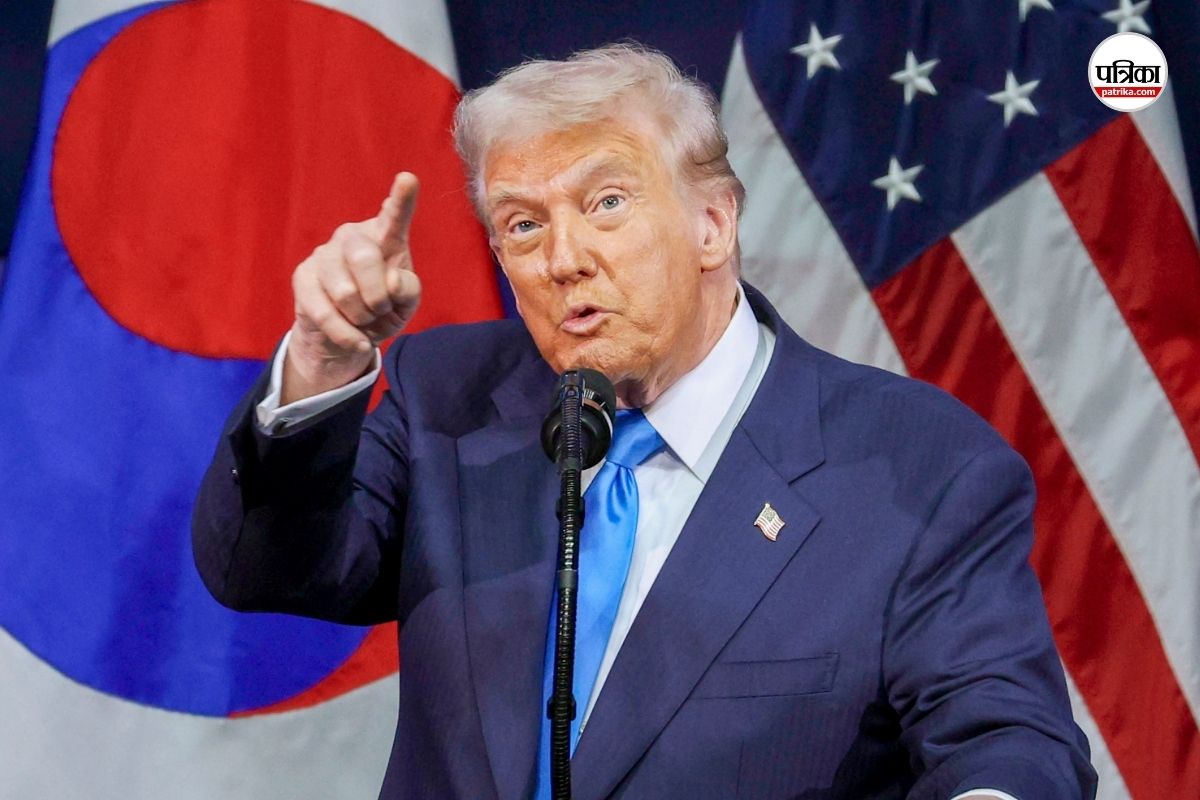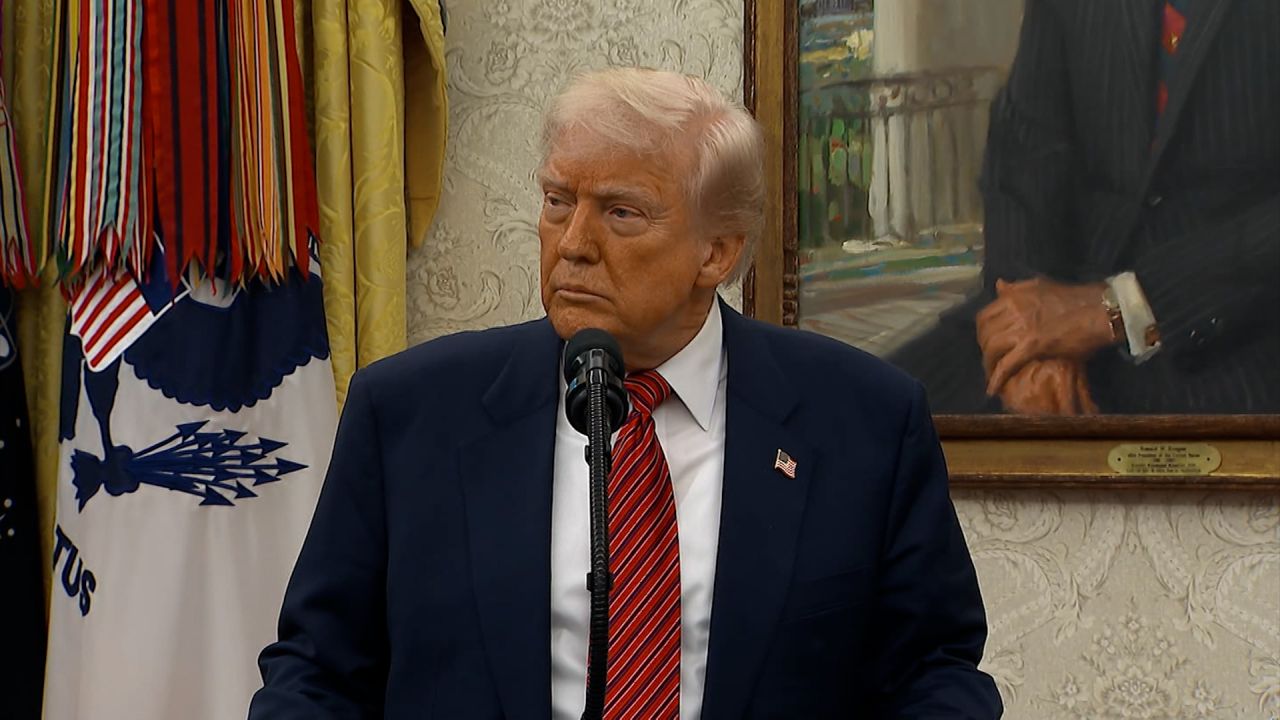
Global energy markets are currently a mess, and it looks like the White House is finally blinking. After months of hammering India with 25% tariffs for its ties to Moscow, the Trump administration just did a sharp 180. Treasury Secretary Scott Bessent announced a 30-day waiver allowing Indian refiners to snap up Russian crude that’s been sitting stranded at sea.
The goal? It's simple. Take the pressure off. With the Iran-Israel conflict threatening to choke the Strait of Hormuz, oil prices have been screaming toward $115 a barrel. If you're wondering why a president who campaigned on "crushing" Russia's economy is suddenly opening the taps for them, the answer is in your gas tank. Domestic fuel prices are spiking, and with midterm elections looming, a $5 gallon of gas is a political death sentence.
The logic behind the Russian waiver
Washington isn't doing this because they’ve suddenly become fans of the Kremlin. It's a calculated move to prevent a global supply shock. Right now, there are millions of barrels of Russian oil just floating around Southern Asia on tankers that nobody wanted to touch because of U.S. sanctions. By giving India a "hallway pass" to buy this specific, already-loaded oil, the U.S. is effectively dumping new supply into the market without technically allowing Russia to start new sales.
Energy Secretary Chris Wright was pretty blunt about it. He basically said they told India to "buy that oil and bring it to your refineries." It pulls those stranded barrels into the system, which means India stops competing with Europe and the U.S. for other oil sources. It’s a pressure valve.
What this means for your wallet
If you've noticed gas prices jumping 10% or 15% in the last week, you're seeing the "fear premium" of the Iran war. The 30-day waiver is a "stop-gap" measure. It won't permanently fix the market, but it should tamp down the immediate panic.
- Immediate Supply: Roughly 20 to 22 million barrels of stranded oil are now moving toward Indian ports.
- Price Dampening: Analysts expect this to keep Brent crude from skyrocketing past the $120 mark in the short term.
- Logistics: Since this oil is already on the water near India, it can hit refineries in days, not weeks.
India's stance on the permission narrative
There’s a bit of a diplomatic ego trip happening here. The Trump administration is framing this as "giving permission" to an "essential partner." Meanwhile, back in New Delhi, the vibe is very different. Opposition leaders are poking at the government, asking why India needs a "waiver" from Washington to manage its own energy security.
The truth is somewhere in the middle. India has been trying to play both sides—cutting back on Russian imports to avoid Trump’s tariffs while quietly keeping the door cracked open. In January 2026, Russia’s share of Indian oil imports actually fell below 20% for the first time in years. But with the Middle East on fire, India can't afford to be picky. They have about 25 days of crude in their strategic reserves, which isn't enough if the Strait of Hormuz stays closed.
The Iran factor
You can't talk about this waiver without talking about Iran. The U.S.-Israel strikes on Iranian infrastructure have sent shockwaves through the Gulf. When Iran effectively closed the Strait of Hormuz, they took a fifth of the world’s oil hostage.
- Production Cuts: Regional conflict has forced several major fields to go offline.
- Shipping Risks: Tankers are facing massive insurance hikes just to sail through the region.
- Alternative Routes: This is why the Russian oil sitting in the Indian Ocean is so valuable right now—it’s already past the chokepoint.
The catch in the 30 day window
Don’t think this is a permanent return to the status quo. This waiver has a very strict expiration date: April 3, 2026. It only covers oil loaded on vessels before March 5.
It’s a "clearance sale" of existing inventory. The Trump administration is betting that the Iran conflict will settle down within a few weeks. If it doesn't, they’re going to face a nasty choice: extend the waiver and look weak on Russia, or let it expire and watch gas prices hit record highs.
The political gamble for Trump
Trump is walking a tightrope. He’s spent the last year bragging about record U.S. oil production, but even "energy independence" can't fully insulate the American consumer from a global price surge. By "allowing" India to buy Russian oil, he gets to act as the global stabilizer while maintaining the narrative that he’s the one in control of the "permission."
But there’s a risk. If the money from these sales ends up funding a Russian spring offensive in Ukraine, the "America First" crowd might start questioning why we're helping Moscow's best customer. For now, the administration is insisting that since the oil was already "stranded," the financial benefit to Russia is minimal.
What you should do next
Keep a close eye on the weekly AAA fuel reports. If this waiver works, you should see the rate of price increases slow down by the end of March.
- Check your local prices: Diesel is currently hitting levels not seen in years ($4.33 average); if you're in logistics or transport, don't expect a massive drop yet, but the "surge" might be peaking.
- Watch the April 3 deadline: If the U.S. doesn't announce an extension or a broader deal by then, expect another round of market volatility.
- Diversify energy exposure: If you're an investor, look at how Indian refiners like Reliance are shifting their sourcing; they're the ones most likely to benefit from this temporary "cheap" crude.
The bottom line is that the world is too interconnected for "total" sanctions to work when a major war breaks out in the Middle East. Pragmatism is beating out ideology for at least the next thirty days.