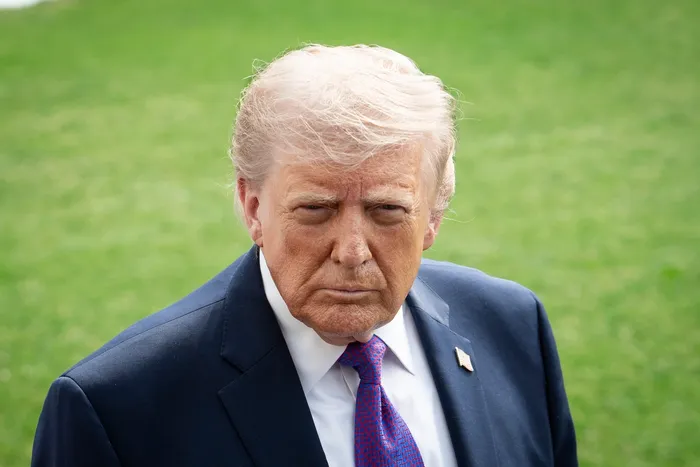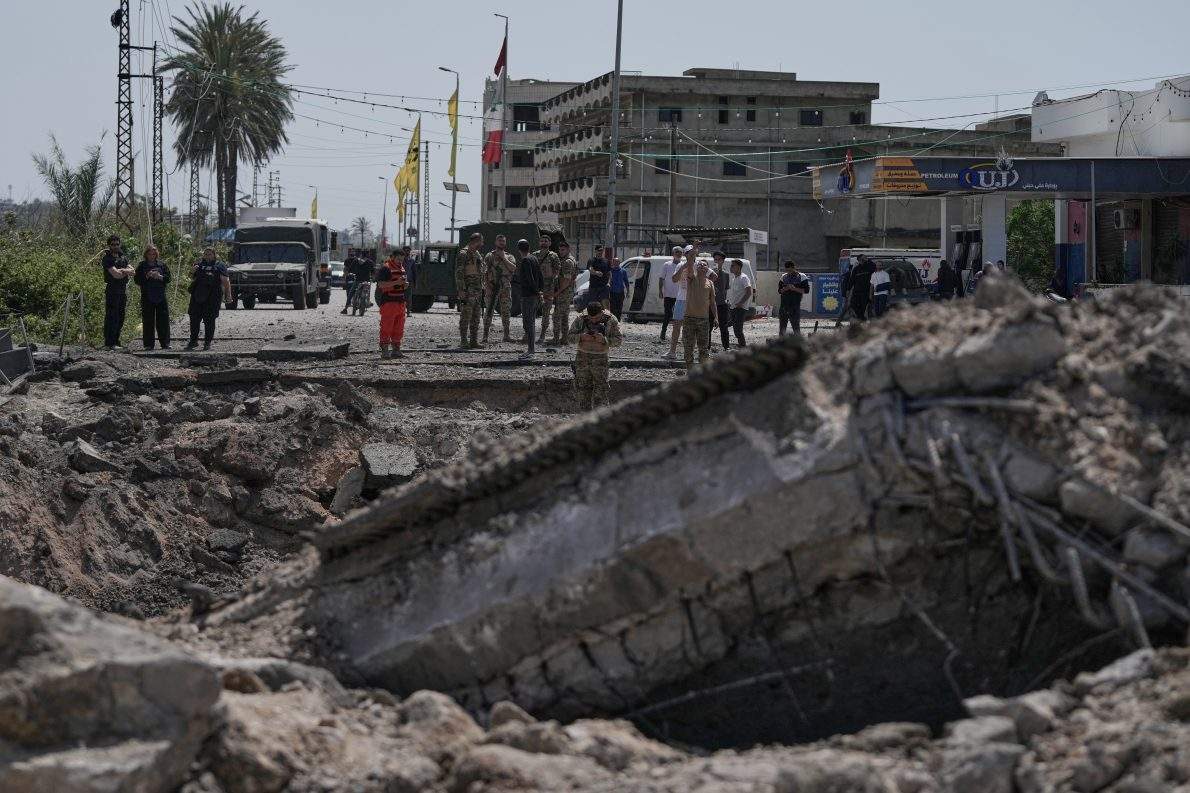
Donald Trump just dropped a diplomatic hammer. He announced a 10-day ceasefire between Israel and Lebanon, effective today at 5 p.m. EST. It isn't just a pause in the shelling. It’s a high-stakes gamble to force two nations that haven't had "meaningful" talks since 1983 to sit in a room together. If you're looking for the usual "thoughts and prayers" diplomacy, look elsewhere. This is classic Trump: fast, loud, and incredibly disruptive to the status quo in the Middle East.
He made the announcement on Truth Social after what he called "excellent conversations" with Israeli Prime Minister Benjamin Netanyahu and Lebanese President Joseph Aoun. The goal is simple on paper but a nightmare in practice. They want to use these ten days to hammer out a permanent peace. Trump even bragged that this would be his tenth war solved. Whether he's counting correctly or not, the clock is ticking.
The Reality of the 10 Day Window
Ten days is nothing in diplomacy. Usually, it takes ten days just to decide on the lunch menu for a peace summit. But the administration is moving at a breakneck pace. Trump has already tasked Vice President JD Vance and Secretary of State Marco Rubio to lead the charge. They aren't just looking for a "stop shooting" order. They’re gunning for a full diplomatic realignment.
You have to look at the timing. Just two days ago, diplomats from both countries met in Washington for the first time in 34 years. Rubio hosted that session, and it clearly laid the groundwork for this announcement. Lebanon's Prime Minister Nawaf Salam has been vocal about wanting this for a long time. The Lebanese economy is in tatters, and southern Lebanon is a war zone. They need this. Israel, on the other hand, is playing a much more calculated game.
What Netanyahu is Really Thinking
Don't think for a second that Netanyahu is doing this out of the goodness of his heart. He’s under massive pressure. Domestically, Israelis are exhausted. Internationally, the Trump administration has been cranking the vice. Netanyahu told his cabinet that he's being "constantly" updated by Washington. That's code for "Trump is on my back."
Israel’s objectives are clear and non-negotiable:
- The total disarmament of Hezbollah.
- A sustainable peace that ensures the northern border is safe for displaced Israelis to return.
- "Peace through strength," as Netanyahu puts it.
He’s agreeing to the pause, but he isn't pulling troops back. Israeli forces are staying right where they are in southern Lebanon. If Hezbollah so much as sneezes in the wrong direction during these ten days, expect the ceasefire to evaporate in seconds.
The Hezbollah Wildcard
Here’s the problem. President Aoun might speak for the Lebanese state, but he doesn't speak for Hezbollah. The Iranian-backed group has already voiced opposition to these talks. They see any direct negotiation with Israel as a betrayal.
If Hezbollah refuses to honor the truce, the whole plan falls apart. They’ve spent decades building their "state within a state" in Lebanon. Disarming them—a key Israeli demand—is basically asking them to commit political and military suicide. It’s hard to see them agreeing to that over a cup of coffee in D.C.
The Broader Iran Context
You can't talk about Lebanon without talking about Iran. This ceasefire is happening against the backdrop of a wider U.S.-Iran conflict. Last week, Trump announced a ceasefire with Iran, but Israel insisted it didn't cover Hezbollah. This new 10-day deal is the attempt to bridge that gap.
Pakistan has been playing a weird middleman role here, helping mediate the U.S.-Iran side of things. They claim Lebanon was always part of the deal. Israel says it wasn't. Trump is basically forcing the issue by putting a 10-day timer on the table. He's betting that the pressure of the deadline will move the needle where months of fighting couldn't.
What Happens if it Fails
If these ten days pass without a "Grand Bargain," we're back to square one, but worse. The "preparatory virtual meetings" and the Tuesday sit-down between Ambassador Nada Hamadeh Moawad and Yechiel Leiter show there is a path. But it’s a narrow one.
Critics say 10 days is an "unrealistic" timeline designed more for a PR win than a policy win. Maybe. But the alternative is more of the same—a grinding war of attrition that has already killed thousands and displaced over a million people.
Your Next Steps
Watch the next 48 hours closely. Ceasefires are most fragile in the first two days.
- Check the border reports: Look for news out of Tyre and Sidon. If the Israeli strikes stop and the rockets from Hezbollah cease, the deal has a chance.
- Watch the White House: Trump mentioned inviting Aoun and Netanyahu to D.C. for a summit. If that invitation gets a confirmed date, it means the "working groups" are actually making progress.
- Follow the rhetoric: If Hezbollah leaders start making "resistance" speeches, the 10-day window will likely end in more fire.
This isn't just another news cycle. It’s a pivot point for the entire region. Whether you like Trump’s style or not, he just moved the goalposts for everyone involved.