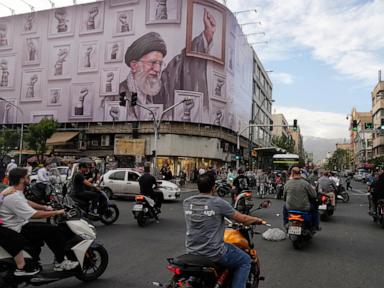
Donald Trump doesn't like looking weak, but that's exactly the vibe as he packs for Beijing. After months of "Operation Epic Fury" and a war that's hammered global energy prices, the U.S. is stuck in a brutal stalemate with Iran. The ceasefire is paper-thin. Ships are barely moving through the Strait of Hormuz. Now, Trump is heading to meet Xi Jinping because he basically has no other choice. He needs China to play the adult in the room and lean on Tehran, but Xi knows he holds all the cards.
The Hormuz chokehold and the price of oil
Let’s be real about why this trip is happening now. The 2026 Iran war has been a mess for the American economy. While the U.S. and Israel managed to take out high-level targets, including the late Supreme Leader, the "victory" feels hollow when gas prices are soaring and the Strait of Hormuz is essentially a graveyard for tankers.
The U.S. Navy is running a blockade to stop Iranian exports, but Iran has effectively shut down the world’s most important energy artery in response. China is the biggest customer for that oil. They’ve spent years building "Tehran-friendly" ties, and they aren't about to throw that away for free. Trump wants Xi to stop arming Iran and force them into a permanent peace deal.
The problem? China is actually benefiting from this chaos in a weird way. While the U.S. is burning billions on military strikes and carrier deployments, China is positioning itself as the "peace broker." They just hosted Iranian Foreign Minister Abbas Araghchi in Beijing last week. It was a clear message to Trump: "If you want the oil flowing again, you have to go through us."
What Xi wants in exchange for a favor
Xi Jinping isn't a charity. If he’s going to help Trump out of the Iranian quagmire, he's going to demand a steep price. Most analysts expect Taiwan to be the sacrificial lamb here. For years, the U.S. has been upping its support for Taipei, but with a war in the Middle East draining resources and a president desperate for a "win" to show voters, that support is looking shaky.
The trade board gambit
The White House says they’re going to discuss a new "Board of Trade" to handle economic issues. That’s code for trying to find a way out of the tariff wars that have defined the last decade. Trump needs a massive purchase agreement—more soybeans, more energy, more tech—to boost his numbers at home. But China’s confidence is high. They’ve seen the U.S. military struggle to secure the Gulf, and they’ve seen the "Project Freedom" offensive stall out.
The nuclear sticking point
There's also the matter of the "one-page memorandum" leaked by Axios. The deal on the table is simple but risky:
- Iran stops all nuclear enrichment.
- The U.S. unfreezes billions in assets and lifts the blockade.
- Both sides stop shooting at each other’s ships.
Trump wants Xi to guarantee that Iran will actually stick to it. But after the U.S. walked away from the JCPOA years ago and then launched strikes in February, trust is at zero.
The optics of a "State Visit Plus"
Remember the 2017 trip? The Forbidden City dinner, the grand ceremonies, the "state visit-plus" treatment? Don't expect that this time. The mood in Beijing is chilly. Trump’s social media posts about getting a "big, fat hug" from Xi don't match the reality on the ground.
China has deployed its own advanced radar systems in Iran and has been watching U.S. stealth tech very closely during the recent conflict. They aren't intimidated anymore. They're treating Trump like a competitor who's overextended himself.
The U.S. military buildup in the Middle East has pulled resources away from the Pacific. Every carrier sent to the Persian Gulf is one less carrier patrolling the South China Sea. Xi knows this. He’s been given "strategic space" to breathe while the U.S. deals with the fallout of the strikes on Fordow and other nuclear sites.
Why this impasse matters to you
If this summit fails, don't expect those gas prices to drop anytime soon. The "trickle" of traffic through Hormuz will stay a trickle. We’re looking at a world where:
- Energy costs stay volatile: As long as the U.S. and Iran are in this "on-off" ceasefire, insurance for shipping stays sky-high.
- China’s influence grows: If Beijing successfully brokers the peace that Washington couldn't, the geopolitical center of gravity officially shifts.
- Regional instability: With Hezbollah and Israel still exchanging fire, the risk of the ceasefire collapsing entirely is high.
Trump is betting that his "personal chemistry" with Xi can bridge the gap. But chemistry doesn't mean much when you're asking your biggest rival to bail you out of a war you started.
If you're watching the markets, keep an eye on the Friday working lunch. If there’s no joint statement on the Strait of Hormuz by then, it means the impasse has won. The next step for the U.S. would likely be another round of strikes, which has already proven it doesn't solve the underlying problem.
Trump-Xi Summit in Beijing: Managing the World’s Most Important Relationship
This video explains the high stakes of the meeting between Trump and Xi, focusing on how the Iran conflict has changed the power dynamic between the two leaders.