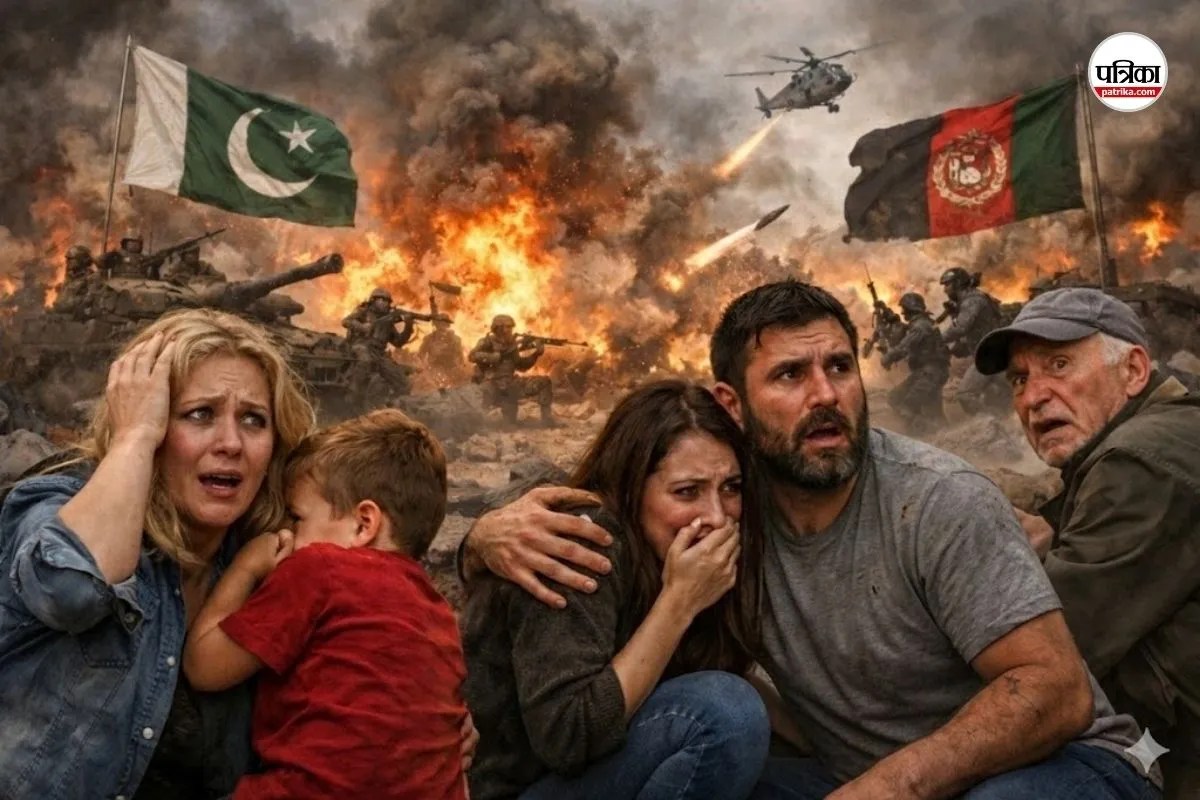
Donald Trump isn't one for subtle diplomacy, and his latest take on the chaos at the Durand Line proves it. While Pakistan and Afghanistan exchange heavy fire in what's being called an "open war," the U.S. President just gave a glowing review of Islamabad’s top brass. He didn't just call them allies; he called them "great."
If you're wondering why Trump is praising Prime Minister Shehbaz Sharif and Army Chief Field Marshal Asim Munir while the region teeters on the edge of a major conflagration, you have to look at the deal-making logic he brings to the Oval Office. He’s betting on strongmen to keep the lid on a boiling pot, even as the steam starts to scald. Meanwhile, you can find related developments here: The Cold Truth About Russias Crumbling Power Grid.
The great leaders in the middle of a mess
On February 27, 2026, Trump stood before reporters and made his stance clear. He was asked about the escalating strikes between Pakistan and the Taliban-led government in Kabul. Instead of the usual dry State Department calls for "restraint," Trump went full tilt in the other direction.
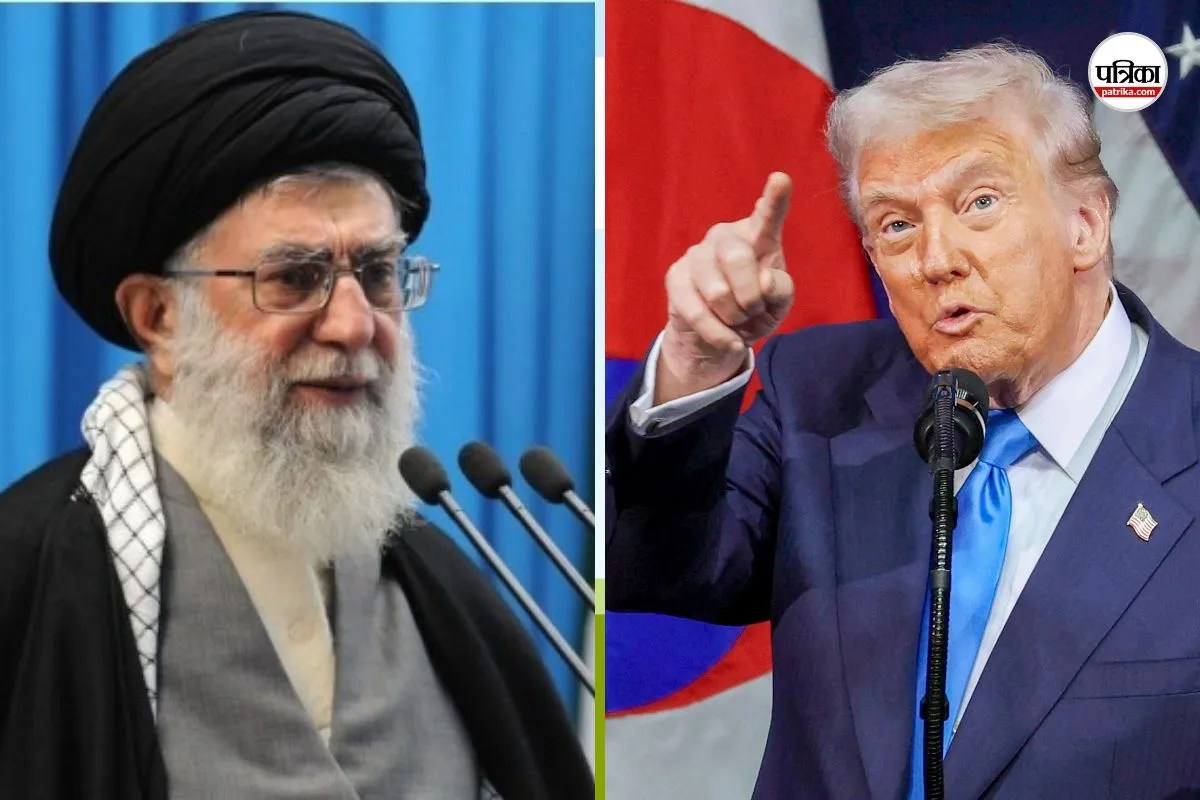
"I get along with Pakistan very, very well," Trump said. He didn't stop there. He described Shehbaz Sharif as a "great leader" and Asim Munir as a "great general." In Trump’s world, personal rapport is the currency of foreign policy. If he likes the guys in charge, he’s willing to back their play. To see the full picture, check out the detailed analysis by The Washington Post.
This isn't just empty flattery. It’s a green light. By calling them "great" during a week where Pakistan launched Operation Ghazab lil-Haq—hitting targets in Kabul, Kandahar, and Paktia—Trump is effectively signaling that Washington won't stand in Islamabad's way.
Operation Ghazab lil-Haq and the reality on the ground
The situation is a lot grimmer than the "terrifically well" description Trump used. This isn't just a border scuffle anymore. It’s a multi-front military campaign. Pakistan claims it's hitting terror camps belonging to the TTP and ISIS-K. The Taliban, however, say civilian homes are being turned to rubble.
The numbers coming out of the conflict are staggering and, frankly, hard to verify.
- Pakistan's Claims: Over 415 Afghan soldiers and militants killed. They say they've hit 46 locations, including the Bagram base.
- Afghanistan's Claims: They've killed 55 to 80 Pakistani soldiers and captured 27 military posts.
- The Human Cost: Reports suggest dozens of civilians, including children, have died in the crossfire.
While the two sides trade bodies and bullets, Trump is focusing on his "favourite field marshal," Asim Munir. This relationship didn't happen overnight. Throughout 2025, Trump repeatedly praised Munir, even calling him a "great fighter" after Pakistan’s brief but intense clash with India in May 2025.
Why the U.S. is backing Pakistan's right to defend
It’s not just Trump’s personal whim. The broader U.S. administration is following his lead. Under Secretary of State Allison Hooker recently backed Pakistan’s "right to defend itself" against Taliban attacks. This is a massive shift from the finger-wagging of previous years.
Washington is tired of the Taliban. The group hasn't lived up to the security guarantees the U.S. expected. Now, instead of trying to fix Kabul, the Trump administration is letting Islamabad take the lead on security. If that means air strikes on Afghan cities, so be it—as long as the "great guys" are the ones doing it.
The risk of the open war label
Pakistan’s Defence Minister Khawaja Asif hasn't minced words. He’s called this "open war." That’s a heavy term for two neighbors who share a 2,600-kilometer border. When you have two countries with this much history—and one with nuclear weapons—using the "war" label changes the rules of engagement.
The Taliban aren't backing down either. They’ve launched drone strikes targeting military sites inside Pakistan, allegedly reaching as far as the outskirts of Islamabad and Nowshera. This is a level of escalation we haven't seen in decades. It’s no longer just tribal skirmishes; it’s a systematic attempt by both sides to hit the other where it hurts.
What this means for you
If you're tracking regional stability or looking at global markets, this conflict is a massive red flag.
- Border Closures: Major trade routes like Torkham and Chaman are effectively dead zones. This is driving up prices for everything from food to fuel in both countries.
- Refugee Crisis: We're likely to see a new wave of displacement. If the air strikes continue to hit civilian centers, people will move.
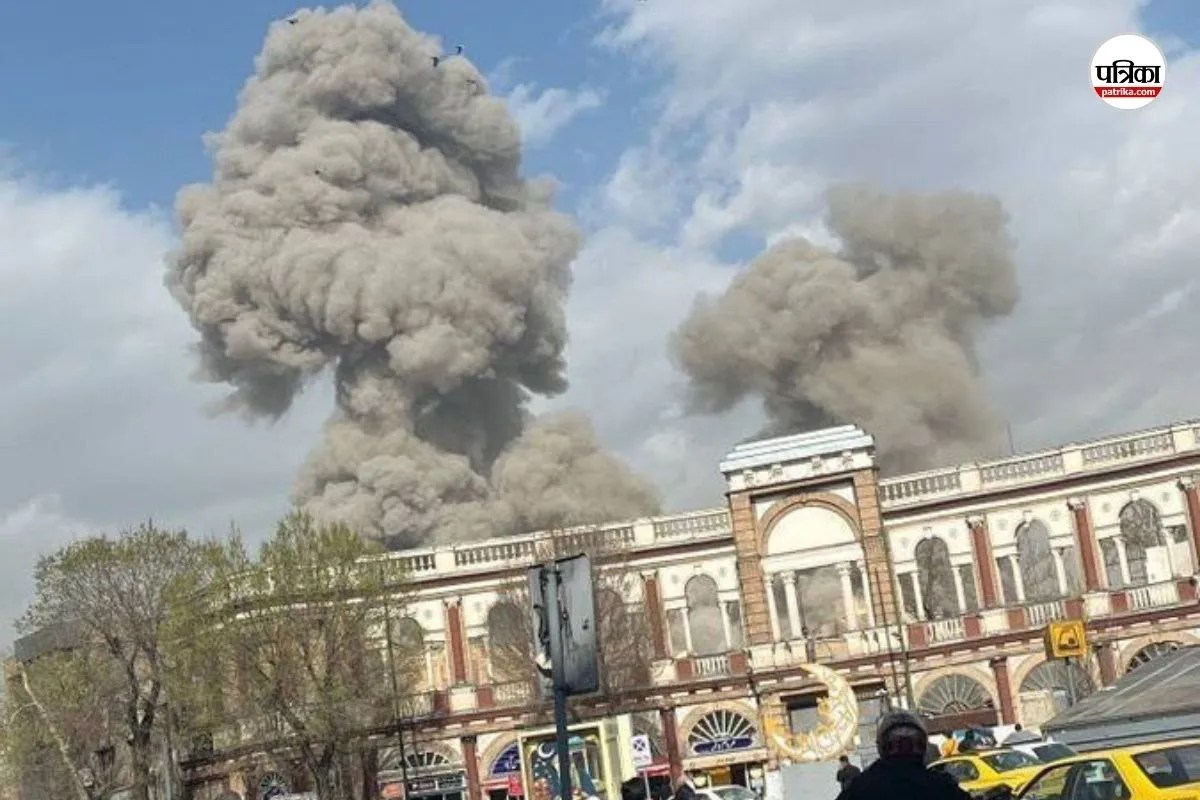
- Regional Spillover: With Iran also on edge following the killing of its Supreme Leader, the entire region is a tinderbox.
Trump’s praise of Sharif and Munir is a tactical move to keep an ally close while the rest of the neighborhood falls apart. He’s banking on the idea that if he supports Pakistan’s leadership, they’ll handle the "Taliban problem" for him. It's a high-stakes gamble. If Pakistan succeeds, Trump looks like a genius who backed the right horse. If this turns into a long, grinding insurgency that destabilizes Pakistan internally, the "great guys" might not be able to save the day.
Don't wait for a formal peace treaty to adjust your expectations for South Asian stability. Monitor the movement of Pakistani ground troops toward the border sectors of Khyber and Mohmand. If the "open war" expands to a full-scale ground invasion of Afghan border provinces, the diplomatic "praise" from Washington will be the least of our worries. Watch the drone activity reports coming out of Kabul—if they keep hitting Pakistani military HQs, the conflict is moving into a phase that no amount of "great" leadership can easily reverse.