The internet loves a good myth. Hand them a narrative involving a mysterious sailor whispering strategic secrets into the ear of a commander-in-chief, and they will run the headline until the servers melt. It makes for compelling fiction. It turns complex defense bureaucracy into a Hollywood script. But it is entirely, lazily wrong.
When pundits attribute sweeping shifts in naval policy to a solitary, anonymous figure who supposedly influenced Donald Trump, they miss the machinery grinding underneath. Naval strategy does not pivot on whispered anecdotes or spontaneous barstool epiphanies. It pivots on budget fights, industrial base decay, and thirty-year shipbuilding projections that operate at glacial speeds.
Strip away the folklore, and you find a much less romantic reality. The modern United States Navy was not altered by a ghost in the machine. It was altered by the slow realization that the post-Cold War era of uncontested maritime supremacy was dead, and nobody in the Pentagon had a fast enough answer to replace it.
The Comforting Lie of the Lone Genius
We crave simple causality. We want a single hero or villain to explain massive geopolitical shifts. If a policy changes, someone must have convinced the boss over dinner.
This is the lazy consensus. It assumes the executive branch operates like an absolute monarchy where the sovereign wakes up, listens to a random sailor, and redraws global fleet deployments before breakfast. Anyone who has spent five minutes inside defense procurement knows how absurd that picture is.
When major defense pivots happen, they are born from desperation, not sudden inspiration. The strategic adjustments attributed to mysterious influences were actually reactions to acute operational warnings from the Pacific theater. Chinese shipbuilding capacity was outpacing American yards by orders of magnitude. Dry docks were backed up with maintenance overhauls that dragged on for months past their deadlines. The surface fleet was running ragged, burning out crews with relentless operational tempos across the globe.
A sailor complaining about cramped quarters or radar obsolescence does not rewrite national defense strategy. That sailor is reporting symptoms of a systemic rot that analysts had been documenting in thick reports for a decade. The mistake is confusing the person who shouted fire with the person who built the faulty wiring.
The Real Driver is Math, Not Myth
Look past the headlines and examine the metrics that actually dictate naval posture.
First, consider tonnage and hull counts. The conversation around a larger fleet sounds great on a campaign stump, but ships require steel, yards, welders, and maintenance crews. None of those can be conjured by an executive order or an inspirational chat on a flight deck. The United States industrial base lost its welding workforce decades ago. Training a master shipbuilder takes years. When politicians talk about expanding the fleet, they are shouting at a mathematical wall.
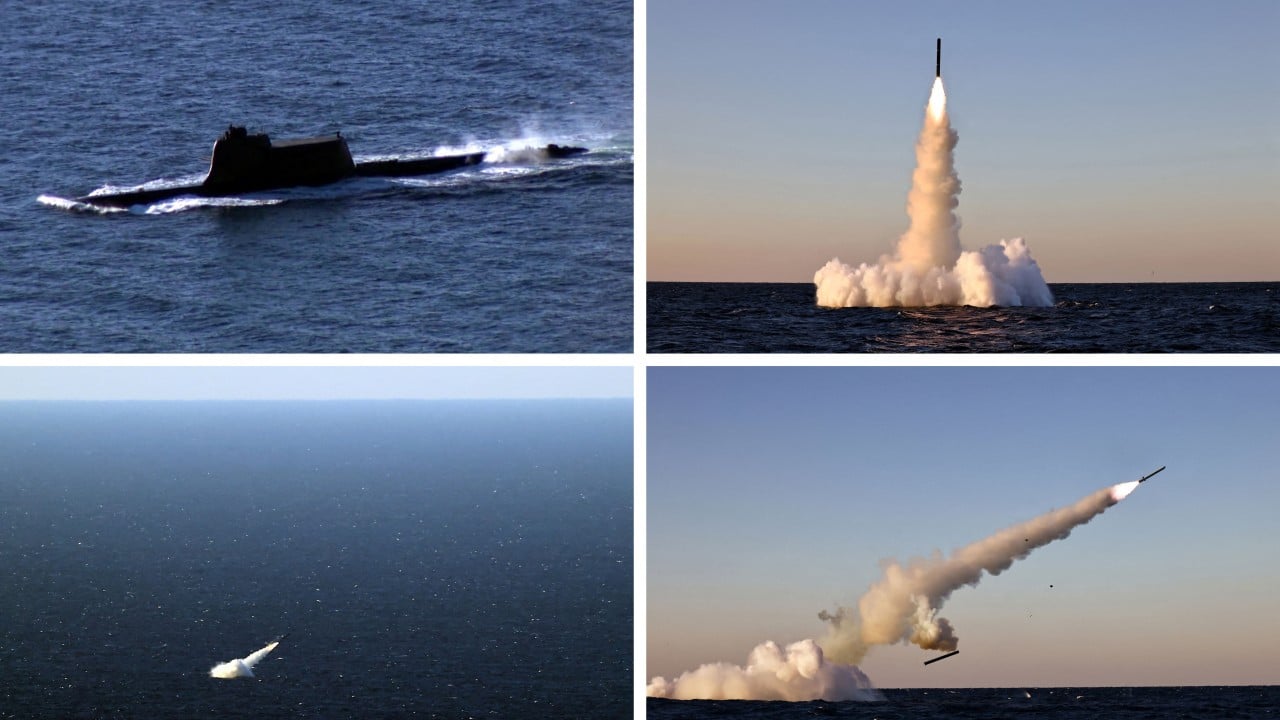
Second, look at anti-ship missile developments. For thirty years, the Navy designed surface combatants assuming air and missile dominance. That assumption shattered the moment near-peer competitors deployed hypersonic anti-ship cruise missiles and anti-access area-denial networks. A multi-billion-dollar aircraft carrier becomes a massive liability when it operates within striking distance of coastal missile batteries it cannot reliably intercept or suppress.
The policy shifts ascribed to an anonymous sailor were actually desperate scrambles to adapt to distributed maritime operations. The Navy had to figure out how to disperse combat power across smaller, unmanned, or more numerous platforms because concentrating all eggs in massive supercarrier baskets was becoming suicidal.
Why the Media Prefers Fiction
Journalism loves a human-interest angle because dry structural economics do not generate clicks. Explaining how procurement reform acts or congressional budget impasses stifle innovation will empty a room faster than a fire alarm.
So the media invents the mystery sailor. It personalizes the abstract. It gives the public a protagonist.
By framing policy changes around an individual, commentators absolve the entire defense establishment of its institutional failures. If a clever sailor can fix the Navy with a good conversation, then the system works. It listens. It adapts on the fly.
The truth is darker. The system does not listen well. It moves with the agility of a grounded supertanker. When it does change course, it is usually because a crisis has become too loud to ignore, pushing terrified bureaucrats to sign off on recommendations they should have adopted ten years prior.
Stop Chasing Ghosts
If you want to understand how national security policy actually evolves, stop looking for cinematic turning points. Look at the ledger. Look at the ledger sheets of steel production, recruitment shortfalls, and maintenance backlogs.
The mythical sailor did not change the course of the Navy. The harsh math of a shrinking industrial advantage did. Until we stop treating defense strategy like a fairy tale, we will keep looking for heroes in the wrong places while the structural foundation quietly rusts away.