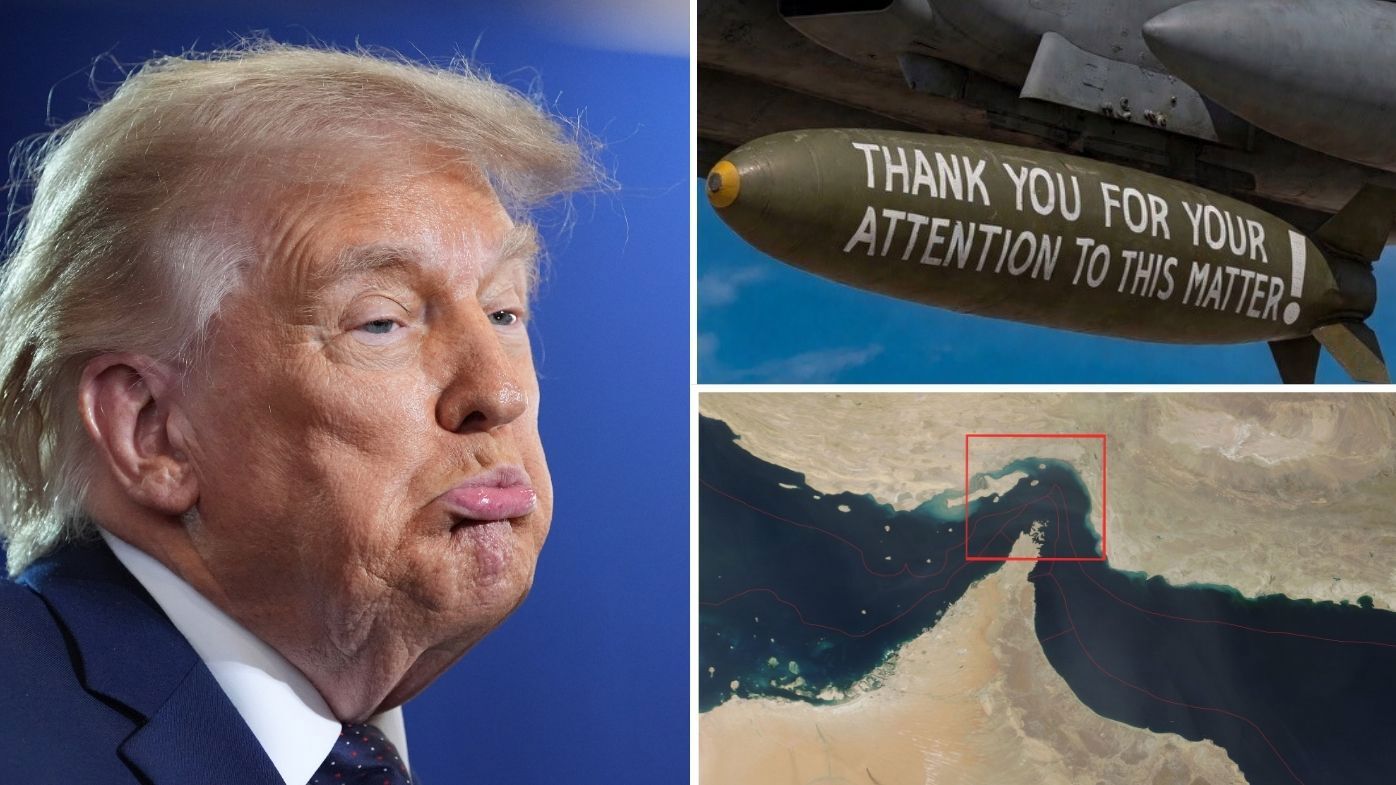
Donald Trump just reminded everyone why back-channel diplomacy under his watch is a high-stakes roller coaster. Less than twenty-four hours after boasting that a massive peace deal with Tehran was largely negotiated, he hopped onto Truth Social to throw a wrench into the gears. He didn't just walk back the optimism. He blasted the historic Obama-era nuclear agreement, calling the former administration "rank amateurs" while posting an ominous, edited image of US drones attacking Iranian vessels with the caption "Adios."
If you are trying to understand why a heavily technical, delicate geopolitical negotiation suddenly feels like it is on life support, look no further than this specific brand of unpredictable messaging. It is classic Trump. But in the world of Middle East peace talks, where a single mistranslated word can restart a war, this kind of public posturing carries massive risks.
The Anatomy of the Truth Social Grenade
Geopolitical negotiations usually happen in quiet, boring rooms far away from social media feeds. This week, we saw what happens when the exact opposite occurs. Trump announced that the Strait of Hormuz would open and a framework was basically set. Then came the sudden shift. He claimed there is "no rush" to finalize the deal, immediately pivoting to attack his predecessors.
By labeling past US negotiators as amateurs, Trump is trying to position himself as the ultimate closer. But the real problem is the messaging wrapped around that insult. Posting an image of a military strike while talks are active sends a mixed signal that foreign capitals struggle to read. Is it a threat? A negotiation tactic? Or just an angry post?
When dealing with a highly sensitive adversary like Iran, these distinctions matter. Iranian officials are already deeply skeptical of Washington's ability to keep its word, especially since the US previously pulled out of the Joint Comprehensive Plan of Action (JCPOA) in 2018. A post like this gives hardliners in Tehran all the ammunition they need to walk away from the table.
Why Handing Talks to Non-Diplomats Changes the Game
Traditional foreign policy experts hate this approach. They look at Trump’s team of real estate executives, family members, and unconventional loyalists and see a recipe for disaster. Critics constantly complain that these negotiators lack the political nous or deep technical knowledge required to construct an enduring international treaty.
But there is another side to this coin. The institutional memory of the State Department often leads to stagnation. For decades, traditional diplomats used the same playbooks and achieved very little in the region. The Trump administration’s theory is that by ignoring traditional norms, they can bypass bureaucratic roadblocks and cut deals directly with decision-makers.
The strategy relies entirely on personal relationships and leverage rather than international law. We saw it with the Abraham Accords during his first term, and we are seeing it again now. The danger is that while business moguls know how to trade assets or secure real estate, global security involves thousands of moving parts, including nuclear enrichment caps, verification protocols, and regional proxy forces. If your team doesn't understand those details, you end up with a porous agreement full of dangerous loopholes.
The Real Risk to the Strait of Hormuz
This isn't just an abstract debate for cable news. The immediate economic consequences are tangible. The Strait of Hormuz is the most critical oil transit chokepoint in the entire world. A massive chunk of the globe's petroleum passes through that narrow strip of water every single day.
When Trump signals stability, oil markets relax. When he posts images of drones attacking ships, energy markets spike. The whiplash is brutal for global economic planning.
- Market Unpredictability: Energy traders cannot price risk effectively when US policy shifts by the hour.
- Proxy Escalation: Groups operating in the region often take social media rhetoric as a green light to launch pre-emptive drone or missile strikes.
- Miscalculation: The biggest threat is that someone misinterprets a public post as an imminent military action and launches a retaliatory strike, triggering a broader conflict that neither side actually wanted.
Tehran has already warned that the proposed peace deal might be in jeopardy due to the shifting rhetoric coming out of Washington. They aren't going to sign an agreement if they think the US president will tear it up or change the terms based on a whim.
Moving Past the Social Media Noise
If this peace deal is going to survive, the actual mechanics of the negotiation need to decouple from the public performance. Relying entirely on a top-down, erratic approach creates a fragile peace. For a deal to stick, it needs the structural backing of career experts who can nail down the technicalities.
Watch the actual movements on the ground rather than the posts on your feed. Look at whether the negotiators are still meeting behind closed doors and check if oil tankers are experiencing actual disruption in the Strait of Hormuz. The next phase of these talks will reveal whether this cryptic post was just a loud negotiating tactic or a sign that the entire deal has truly fallen apart. Keep an eye on official statements from the Iranian foreign ministry over the next forty-eight hours for the real answer.