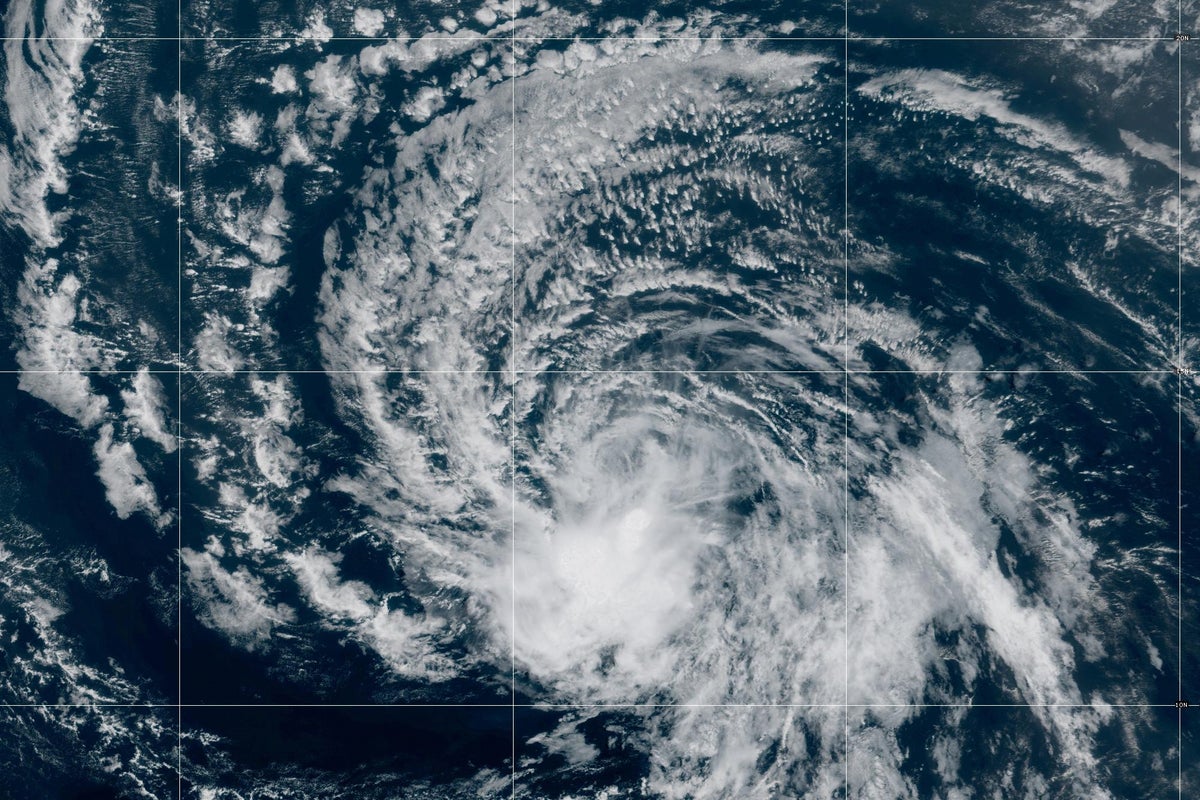
Tropical Storm Dolly just spun up in the middle of the Atlantic, and if you live anywhere near the Caribbean, you need to pay attention. It's sitting roughly 1,555 miles east of the Leeward Islands with maximum sustained winds humming at 40 mph.
Right now, it's a slow burner. But don't let the modest wind speeds fool you into ignoring it.
What Dolly Is Doing Right Now
The U.S. National Hurricane Center in Miami is tracking the system as it marches steadily westward. No coastal watches or warnings are active yet. That status will change.
Forecasters expect the core of the storm to throw heavy rain at the Leeward Islands over the weekend. After that, the trajectory points straight toward the Virgin Islands, Puerto Rico, and Hispaniola by Sunday and Monday.
Intensity predictions show little change over the next few days. Wind isn't the primary danger here. Water is. Flash flooding remains a genuine threat for islands that soak up heavy downpours quickly.
Context on the 2026 Hurricane Season
Dolly marks the fourth named storm of the 2026 Atlantic hurricane season. We started early back in June when Tropical Storm Arthur hit the U.S. Gulf Coast. Then Bertha soaked Louisiana and Texas in July, and Cristobal fizzled out quickly earlier in August.
The National Oceanic and Atmospheric Administration predicted a below-average season overall. Blame El Nino for keeping the numbers down. NOAA's baseline forecast called for eight to fourteen named storms, with up to six reaching hurricane strength.
A quiet season on paper doesn't mean much if a system forms right on your doorstep. Meteorologists still remind everyone that it only takes one major storm hitting land to ruin a year. Last season proved that brutally when Category 5 Hurricane Melissa battered the Caribbean, forcing the World Meteorological Organization to retire its name.
How to Prepare Before the Rain Starts
Don't wait until water is pooling in your driveway to figure out your emergency supplies. If you're in the path of Dolly's moisture plume across the Leeward Islands, Puerto Rico, or Hispaniola, take action today.
- Clear your gutters and storm drains immediately to prevent localized street flooding.
- Secure outdoor furniture, potted plants, and loose items that could become projectiles in sudden gusts.
- Check your emergency kit for flashlights, fresh batteries, non-perishable food, and bottled water.
- Keep your vehicle's fuel tank full or your EV charged up in case local power outages hit utility grids.
Stay glued to local updates from official meteorological services over the next forty-eight hours. Keep your phone charged. Watch the radar.