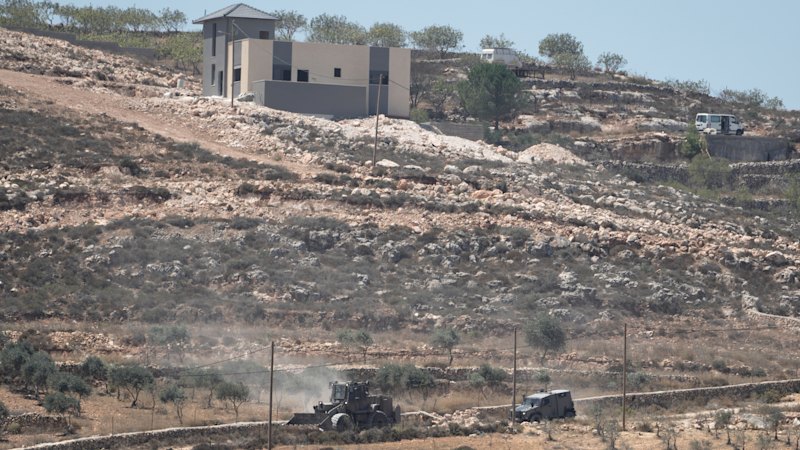
Rescue teams in Nepal are currently drilling through reinforced concrete and packed earth to reach workers trapped underground in a collapsed tunnel. This high-stakes operation highlights a recurring crisis in Himalayan infrastructure development. When disaster strikes these remote work sites, survival depends entirely on the speed of heavy machinery and the endurance of underground rescue specialists.
Infrastructure expansion across the rugged terrain of Nepal has accelerated dramatically over the past decade. Hydroelectric projects, highway expansions, and tunneling ventures push deep into unstable geological formations. These projects drive economic modernization. They also expose laborers to extreme subterranean hazards with minimal margin for error.
Understanding why these collapses happen requires looking beyond the immediate structural failure. Mountainous regions present unique geotechnical challenges. Sudden shifts in tectonic stress, water pockets hidden within rock faces, and loose alluvial deposits create constant danger. Engineering firms often rely on rapid assessment methods to maintain tight construction schedules. Speed routinely overrides caution. When safety protocols slip, entire structural sections give way without warning, sealing workers inside pitch-black chambers meters below the surface.
The Mechanics of Subterranean Extraction
Reaching trapped personnel requires a calculated, agonizingly slow process. Standard heavy excavation equipment cannot simply bulldoze the site. Careless digging risks triggering secondary collapses that would crush any survivors or bury rescue access points entirely.
Engineers deploy specialized diamond-bit core drills to bore narrow pilot holes. These small-diameter channels serve a dual purpose. First, they allow emergency teams to pump compressed oxygen down to the trapped workers. Second, they act as conduits for fiber-optic cameras and audio sensors, establishing vital communication links with the surface.
Once location mapping is complete, heavy horizontal boring machines take over. These devices bite through solid stone and compressed soil, carving out a narrow escape path. Every meter gained requires hours of painstaking stabilization. Workers inside the tunnel often face freezing temperatures, high humidity, and rising water levels. Hypothermia and dehydration pose threats that rival the structural crush injuries themselves.
[Surface Command Center]
       |
       v (Core Drill: Oxygen & Communication)
[Trapped Workers Zone]
       ^
       | (Horizontal Boring: Extraction Pipeline)
[Rescue Heavy Machinery]
Regulatory Oversight and Corporate Accountability
Behind every tunnel collapse lies a paper trail of safety audits, compliance reports, and regulatory oversight. Labor advocates argue that enforcement in rural districts remains dangerously weak. Government inspectors rarely visit remote sites with the frequency required to catch structural deviations before disaster strikes.
Construction companies operate under immense financial pressure. Project delays incur severe monetary penalties. Contractors sometimes cut corners on shoring materials, support arches, and geological surveying to protect profit margins. When an accident occurs, liability often disperses across a complex web of subcontractors, masking who made the final decision to bypass critical safety margins.
Accountability rarely extends to the corporate boardrooms authorizing high-risk excavation strategies. Instead, the burden falls on local management and the frontline laborers who take the physical risk every morning when they step onto the job site.
The Psychological Toll on Emergency Responders
While engineers calculate load-bearing capacities and drill rates, emergency response personnel shoulder immense mental strain. Teams from the Nepal Army, the Armed Police Force, and international specialists work in grueling shifts around the clock. The atmosphere around a rescue site is heavy with tension. Families gather outside the cordoned zones, alternating between desperate hope and quiet grief.
Rescuers face the constant threat of shifting debris. Aftershocks from minor tectonic movements can destabilize a partially cleared shaft in seconds. Operating heavy machinery in cramped spaces demands absolute precision. A single miscalculation by an operator can sever the remaining support struts, ending the operation instantly.
The physical environment inside these disaster zones is punishing. Dust fills the air, coating lungs and reducing visibility to zero. Floodwaters frequently leak into the lower sections of collapsed tunnels, forcing rescue teams to deploy industrial pumps before they can advance another inch.
Infrastructure Ambitions Versus Human Cost
Nepal's geographical ambitions are clear. The nation wants to harness its vast river systems for hydroelectric power and connect remote mountain communities with modern road networks. These goals are essential for long-term economic independence. Yet, the current trajectory carries a heavy human toll that society rarely accounts for in feasibility studies.
Modernizing infrastructure cannot succeed by sacrificing the safety of the workforce. Better geological mapping, mandatory real-time seismic monitoring inside active tunnels, and strict legal penalties for safety violations represent the minimum requirements for reform. Until oversight matches the scale of these engineering feats, subterranean disasters will remain a recurring tragedy in the shadows of the Himalayas.
The drilling continues beneath the mountain rock. Every rotation of the drill bit brings rescuers closer to the truth of what happened in the dark.