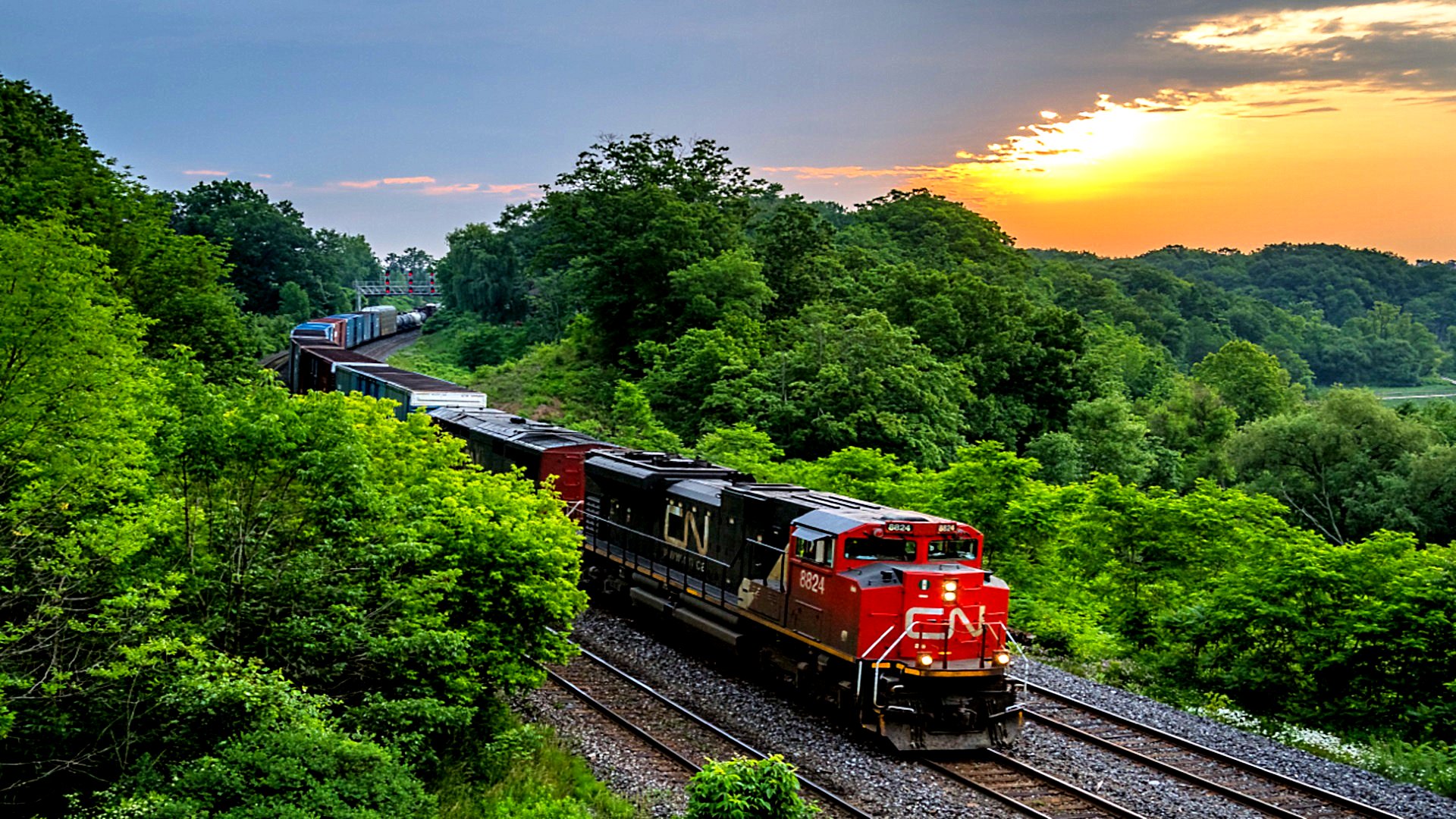
The night air in Pietermaritzburg was biting, sharp enough to turn breath into small ghosts of fog against the railway platform.
It was June 1893. A young lawyer, clutching a woolen coat tightly around his shoulders, sat alone in the dark. He had committed no crime. He held a valid first-class ticket. Yet, because of the color of his skin, white railway officials had dragged him from his carriage and hurled him onto the freezing station floor. For a more detailed analysis into similar topics, we recommend: this related article.
He stayed there all night. Shivering. Thinking.
That single, bitter act of humiliation did not break him. It forged him. Years later, looking back at the trajectory of shared histories, Indian External Affairs Minister S. Jaishankar would capture the profound alchemy of that transformation with a striking formulation. You gave us Mohandas Gandhi, he noted during Africa Day celebrations, and we gave you the Mahatma. For further background on this development, detailed coverage can be read at The New York Times.
It is a heavy sentence. It carries the weight of continents, of iron tracks laid across untamed earth, of blood, salt, and shared resistance.
Most people look at international diplomacy as a ledger of exports, tariffs, and mineral rights. They see dry communiqués signed in mahogany rooms. They track tonnage and trade deficits. But history is rarely written by spreadsheets. It is written by friction. It is written when people collide, endure, and refuse to surrender.
Consider what happens next: the young barrister returns to India not as a defeated immigrant, but as a political earthquake. He takes the lessons learned on the soil of South Africa—the brutal realities of systemic exclusion, the power of collective defiance—and turns them into a weapon of mass liberation. The satyagraha movement was born under African skies before it bloomed on the plains of the Ganges.
Debt. That is what nations usually owe one another. Financial ledgers demand repayment. But this was a different kind of debt. A spiritual liability.
India took a young man and returned a universal symbol of peace.
Decades later, the wheel turned again. When African nations fought to tear down the scaffolding of apartheid and colonial subjugation, India was not a distant observer watching from a safe geopolitical distance. New Delhi opened its doors, its universities, and its diplomatic arsenals. Indian diplomats stood shoulder to shoulder with liberation movements across the continent. Nelson Mandela himself would frequently acknowledge the deep, abiding debt his own struggle owed to the moral and material backing of the Indian state.
We forget this. We look at the map today and see rigid borders, visa restrictions, and competing economic ambitions. We measure influence through supply chains of rare earth minerals, pharmaceutical shipments, and maritime security pacts in the Indian Ocean.
Yet underneath the surface of modern geopolitics runs an older, warmer current.
Walk through the bustling markets of Durban or Nairobi today. Listen to the cadence of languages that bridge the Arabian Sea. Smell the spices that traveled in the holds of wooden dhows centuries before container ships standardized global trade. The connection is not an abstraction cooked up by think tanks. It is lived. It is breathed.
When Jaishankar spoke of that exchange, he was touching a nerve that goes deeper than strategic partnerships or digital public infrastructure sharing. He was talking about mutual creation.
Think about how we shape one another. Cultures do not merely trade; they collide, fuse, and alter their very DNA.
India gave Africa an architect of resistance, and Africa gave India a moral compass that would guide its own post-independence identity. It was a loop of history. A feedback loop of courage.
We live in an era obsessed with immediate returns. Transactions must clear instantly. Notifications must ping without delay. But true history requires a long horizon. It requires decades of patience, of shared struggles against empires that seemed invincible, of young students sitting in lecture halls far from home, of doctors and engineers crossing the ocean to build hospitals and railways.
The railway platform in Pietermaritzburg is a museum now. Tourists take photographs where the young lawyer shivered in the dark. But the tracks are still there. The trains still run. And the conversation between two great landmasses, bound together by the Indian Ocean and a shared memory of suffering and triumph, continues to unfold in real time.
The ledger remains open. Not for money. For meaning.
The next time someone tells you that foreign policy is only about power, think of a cold station platform at midnight. Think of a ticket torn up in prejudice. Think of a man left in the dark, gathering the strength to change the world.
Some debts can never be repaid. They can only be honored.


