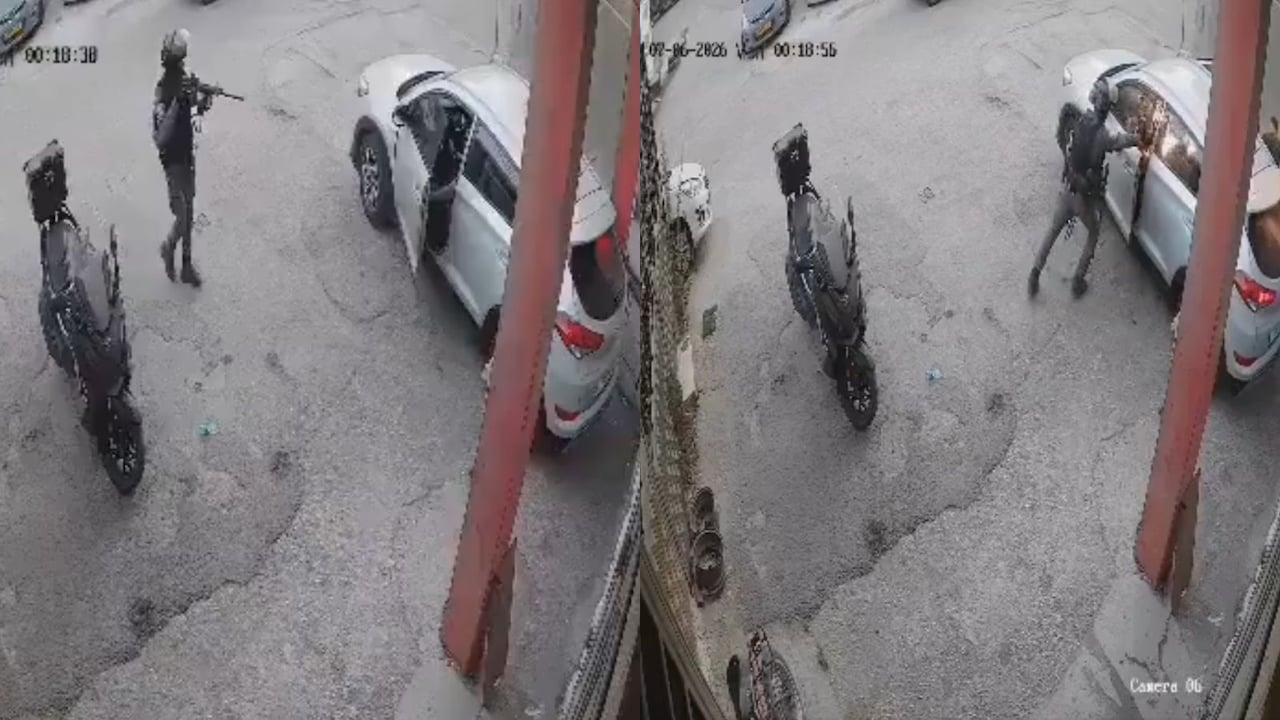
The video is short, chaotic, and impossible to forget. A vehicle carrying Palestinian civilians drives along a road. Without any apparent provocation, an Israeli officer tosses a stun grenade directly inside the car. The explosion flashes, panic ensues, and the clip cuts out. It is a stark piece of documentation that quickly made the rounds online, sparking outrage and renewed debates about accountability, rules of engagement, and the daily reality of life under military occupation.
When footage like this surfaces, the public reaction follows a familiar script. Shock turns into condemnation, followed by official statements promising a thorough investigation. But looking past the immediate outrage reveals a much deeper problem. This single incident highlights how digital media forces us to confront systemic issues that standard press releases usually smooth over.
We have to look at what happens after the cameras stop rolling. The real issue is not just the act itself, but the entire structure that allows these moments to happen, alongside the uphill battle required to secure any form of actual justice.
The power and limits of the lens
Smartphones changed everything about how we witness conflict. Years ago, an incident involving an Israeli officer throwing a stun grenade into a Palestinian car would simply be a matter of one person's word against another's. In those scenarios, official military accounts almost always won out. The state apparatus possessed the monopoly on narrative power.
Now, a cheap lens flips that dynamic completely. Suddenly, the raw reality is laid bare for millions to see on their feeds within hours. This kind of video evidence bypasses official censors and challenges the sanitized language often used to describe military operations. It forces viewers to witness the immediate terror experienced by ordinary people who were just driving down the street.
Yet, relying solely on viral videos creates a dangerous trap. Film captures the flashpoint but misses the routine pressure. A clip shows the explosion of a stun grenade, but it cannot capture the hours of waiting at checkpoints, the constant surveillance, or the low-level anxiety that defines daily life for Palestinians in the West Bank. It frames systemic oppression as a series of isolated, shocking events rather than a continuous, institutional reality.
When we treat these videos as anomalies, we miss the point. The camera did not catch a unique malfunction in an otherwise flawless system. It merely pulled back the curtain on a routine dynamic that usually happens in the dark.
The illusion of the isolated incident
Whenever footage of blatant misconduct leaks, official spokespersons rely heavily on a specific defense strategy. They call the perpetrator a bad apple. They claim the behavior goes against the core values of the military. They assure the public that this does not reflect standard operating procedures.
This rhetoric protects the institution by sacrificing the individual. By focusing all blame on one officer who happened to get caught on camera, the broader system avoids scrutiny. We see this pattern globally, from police departments in major Western cities to military units in occupied territories. The institution isolates the offender to preserve its own legitimacy.
But discipline requires consistency, and consistency is remarkably rare here. Human rights organizations like B'Tselem and Yesh Din have documented hundreds of cases of soldier violence against civilians. The vast majority of these complaints never result in an indictment, let alone a conviction. The numbers tell a clear story. When accountability only happens because a video went viral enough to cause an international public relations crisis, the system is not working. The system is protecting itself from bad press.
Soldiers operating in conflict zones understand the implicit boundaries of their authority. They know what is tolerated in practice, regardless of what the official rulebook says. When an officer feels comfortable throwing an explosive device into a moving civilian vehicle in broad daylight, it indicates a profound lack of fear regarding potential consequences. That confidence does not appear out of nowhere. It grows over years of watching colleagues escape punishment for similar actions.
The legal maze that protects power
Understanding why justice remains elusive requires examining how military legal systems actually operate. When a soldier is accused of a crime against a civilian population under occupation, they are not tried in a standard civilian court. They face a military justice system run by their own peers and superiors.
This setup creates an inherent conflict of interest. The primary goal of any military hierarchy is to maintain morale, cohesion, and operational readiness. Prosecuting your own soldiers for actions taken while deployed runs directly counter to those institutional goals. As a result, the legal process often feels designed to exhaust victims and shield perpetrators.
Investigations drag on for months or even years. Evidence goes missing. Witness testimonies from victims are discounted or treated with intense skepticism, while the statements of soldiers are given the benefit of the doubt. If an indictment actually happens, it usually targets low-ranking personnel while leaving the commanders who set the policy completely untouched.
Even when a conviction occurs, the sentences rarely match the severity of the crime. Officers convicted of serious misconduct frequently receive demotions, suspended sentences, or brief stints of community service. This lenient treatment sends a clear message to the rest of the force that civilian lives are secondary to military solidarity. It turns the legal framework into a shield rather than an instrument of justice.
The human cost beyond the flashpoint
The psychological impact of these casual acts of violence spreads far beyond the individuals inside that specific car. When a community sees an officer throw a stun grenade into a civilian vehicle with total nonchalance, it shatters any remaining illusion of safety. It reminds everyone that their basic security can be instantly revoked at any moment, for any reason, without recourse.
This reality shapes how an entire generation grows up. It alters how people drive to work, how parents send their kids to school, and how communities interact with authority figures. When the law is enforced through random acts of terror rather than predictable rules, society fractures. Trust vanishes completely.
The casual nature of the act seen in the video is perhaps its most chilling aspect. There is no tense standoff. There is no visible threat. The officer acts with the casual indifference of someone tossing a piece of trash out a window. This normalization of cruelty happens when young soldiers are placed in positions of absolute authority over a population stripped of political rights. It erodes the humanity of both the occupied and the occupier.
Moving past empty condemnation
If we want to break this cycle, the international community has to stop treating these viral videos as shocking surprises. We need to acknowledge them as predictable outcomes of a prolonged military occupation that lacks structural oversight.
True accountability cannot start and end with suspending one officer who had the misfortune of being filmed. It requires a fundamental overhaul of how misconduct is investigated and punished.
First, investigations into military violence against civilians must be handed over to independent, civilian-led bodies. An institution cannot effectively investigate itself when its reputation is on the line. Independent oversight ensures that evidence is preserved, witnesses are protected, and investigations move forward without institutional interference.
Second, legal frameworks must hold commanders accountable for the actions of their subordinates. If a commander creates an environment where soldiers feel comfortable abusing civilians, that commander bears responsibility. Expanding liability up the chain of command forces leadership to actively police their own units rather than turning a blind eye.
Finally, international observers and journalists must maintain pressure long after a video fades from the social media algorithm. The real legal maneuvering happens in quiet courtrooms months after the public has moved on to the next crisis. Following these cases to their actual conclusions is the only way to ensure that promises of justice are not just empty public relations maneuvers.
We must refuse to accept the bad apple narrative. Demand real structural change, support independent human rights monitors, and keep track of the legal outcomes of these investigations. True justice is not found in a viral video. It is built through the relentless, unglamorous work of holding power accountable to the law.