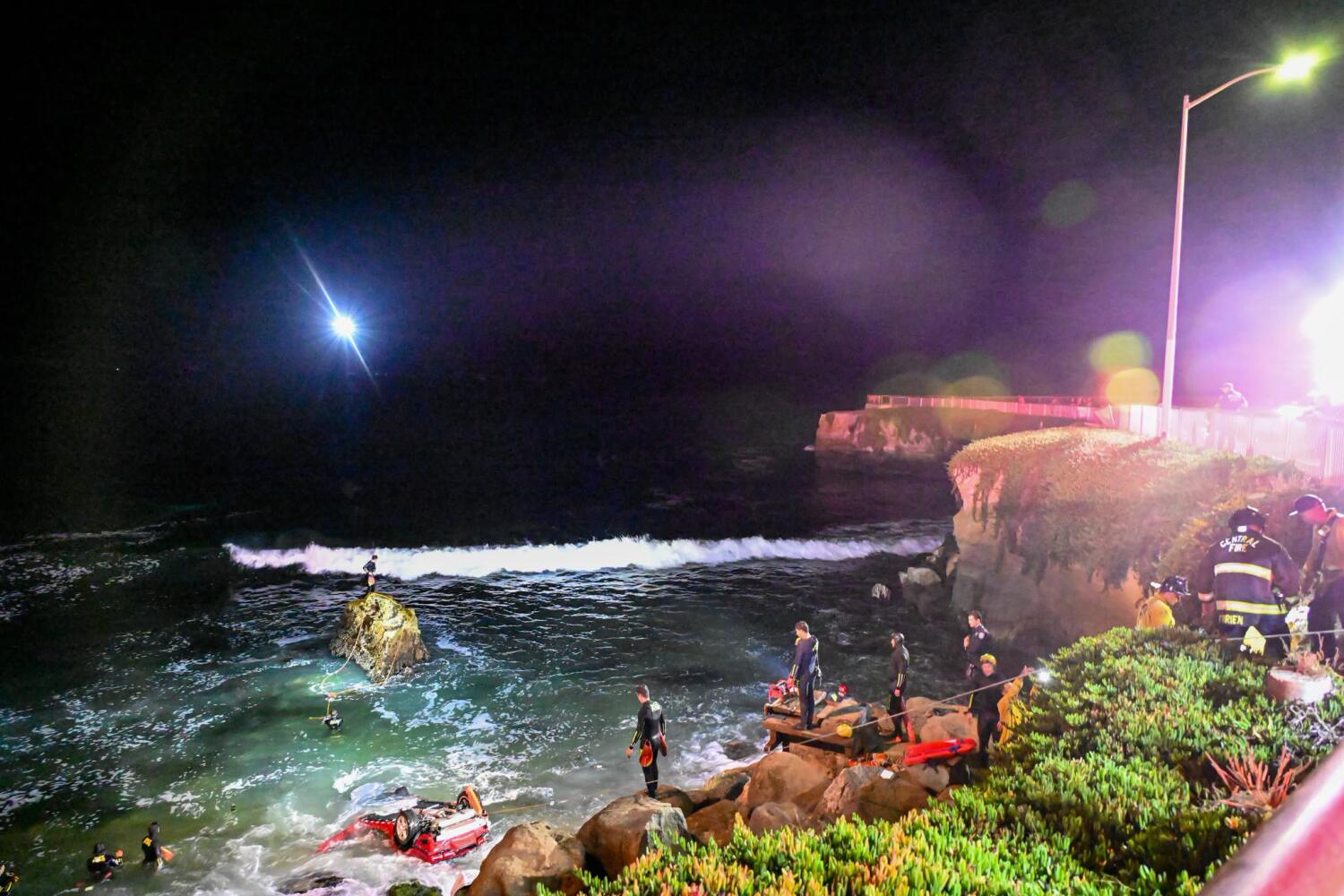
Coastal highways offer breathtaking views, but they hide unforgiving dangers. When a vehicle plunges off a cliff into the ocean, the suddenness leaves communities searching for answers. A 19-year-old UC Santa Cruz student was recently identified as the victim of such a devastating accident along the California coastline. Accidents like this spark urgent conversations about road safety, driver awareness, and the physical hazards surrounding coastal campuses.
You might wonder how a routine drive turns fatal in seconds. The reality involves steep drop-offs, sharp turns, and unpredictable weather conditions that catch even cautious drivers off guard. Let us look at what makes these stretches of highway so hazardous and how communities respond when tragedy strikes a college town.
Understanding Coastal Driving Hazards
Driving near cliffs requires absolute focus. Coastal roads often lack extensive guardrails due to terrain limitations or scenic preservation laws. When visibility drops because of heavy fog or rain, navigating these paths becomes a high-stakes test.
Student populations face unique pressures. Late-night study sessions, early morning classes, and unfamiliarity with local topography create ripe conditions for driver fatigue. Fatigue slows reaction times drastically. If you take a sharp turn while tired, the margin for error shrinks to zero.
Local authorities frequently emphasize speed management and distraction avoidance on coastal routes. Yet, warnings often fall on deaf ears until disaster strikes.
The Impact on the UC Santa Cruz Community
Losing a young person shakes an entire academic institution to its core. UC Santa Cruz sits nestled among redwood forests near the rugged Monterey Bay coastline, making natural beauty an everyday part of student life. That same geography brings inherent risks.
When a student passes away under tragic circumstances, campus support systems spring into action. Counseling services expand, campus vigils take place, and student groups rally around affected friends and family. Grief processing takes time, and universities must provide accessible mental health resources during these periods.
Administrators often review safety protocols following fatal accidents. Students look for tangible improvements rather than empty statements.
Improving Coastal Road Safety
Preventing future tragedies demands action from local government bodies and transportation departments. Several measures can reduce risks along vulnerable coastal corridors:
- Installing enhanced reflective markers to improve nighttime visibility.
- Upgrading guardrails in high-accident zones without blocking scenic views.
- Increasing highway patrol presence during peak commuting hours and late nights.
- Launching targeted awareness campaigns for young drivers about the dangers of coastal fatigue and distraction.
Infrastructure upgrades cost money, but human lives outweigh budget constraints. Local advocacy groups continue lobbying for safer roadways along the Pacific Coast Highway and surrounding arteries.
Coping with Sudden Loss
Processing the sudden death of a classmate or friend tests personal resilience. Grief manifests differently for everyone. Some withdraw, while others seek community support immediately.
Colleges offer professional guidance, but peer support remains invaluable. Checking in on your friends matters now more than ever. If you notice someone struggling, encourage them to reach out to campus resources or local support networks.
Drive carefully, stay aware of your surroundings, and never underestimate the power of fatigue on dangerous roads. Prioritize safety every time you get behind the wheel.