For years, the math of air defense has been broken. Militaries have been forced to fire multimillion-dollar missiles to swat down cheap, slow-moving suicide drones that resemble the Iranian-designed Shahed-136. It is an economic nightmare. Spending $3 million on a Patriot interceptor to stop a $20,000 flying lawnmower is simply unsustainable.
Lockheed Martin recently demonstrated a way out of this financial trap. The defense giant integrated and live-fired a new counter-drone solution in under 45 days. During the demonstration, the system successfully tracked and destroyed a Group 3 one-way attack test drone, the exact class of threat causing havoc in modern conflict zones.
The successful test proves that military tech can move fast when it needs to. It also signals a massive shift in how bases, ports, and forward positions will protect themselves from saturation attacks.
The box that hunts drones
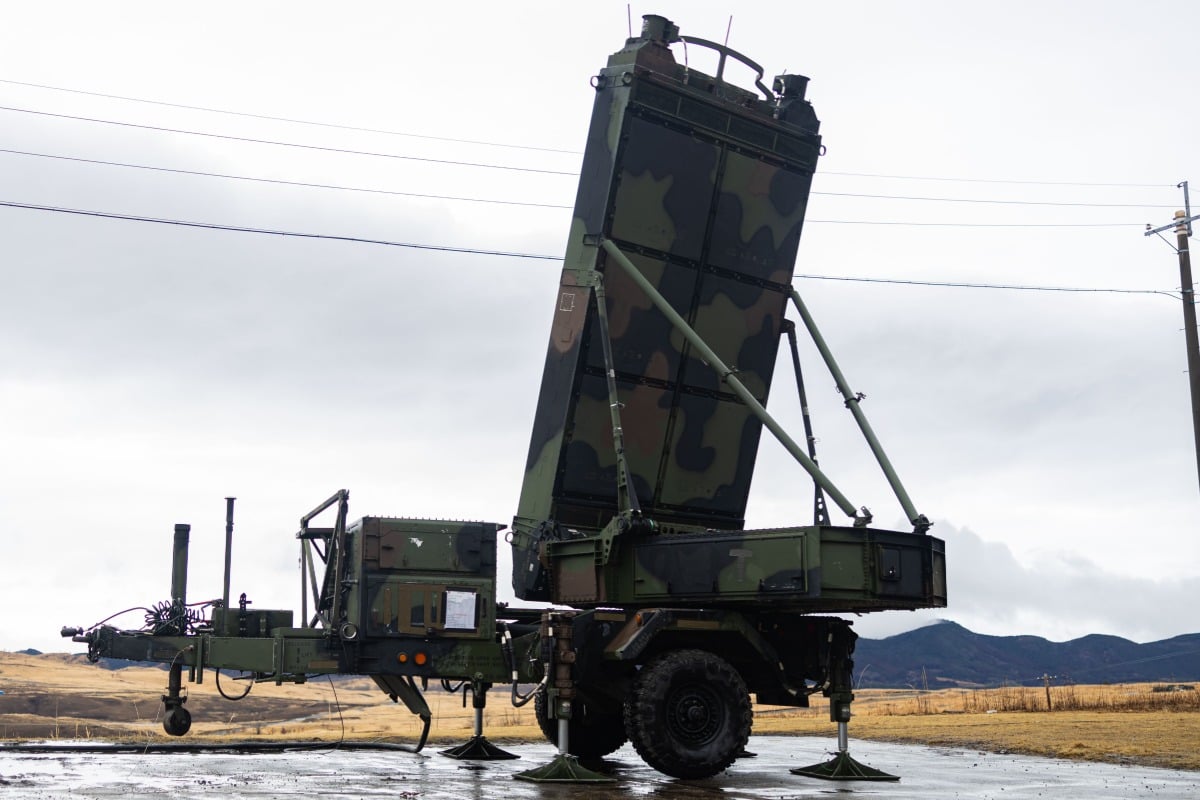
Lockheed combined three separate commercial and military technologies into a single defensive node. The core of the setup relies on Fortem R-40 radars to scan the skies. When a threat enters the airspace, Lockheed’s new Sanctum battle management system takes over.
Sanctum is the brains of the operation. It uses artificial intelligence to identify the incoming drone, calculate its trajectory, and determine if it represents an actual threat. By automating the tracking and threat-assessment phase, the system reduces the pressure on human operators who might otherwise be overwhelmed by multiple simultaneous targets.
Once Sanctum confirms the target, it commands a missile launch from a system called GRIZZLY.
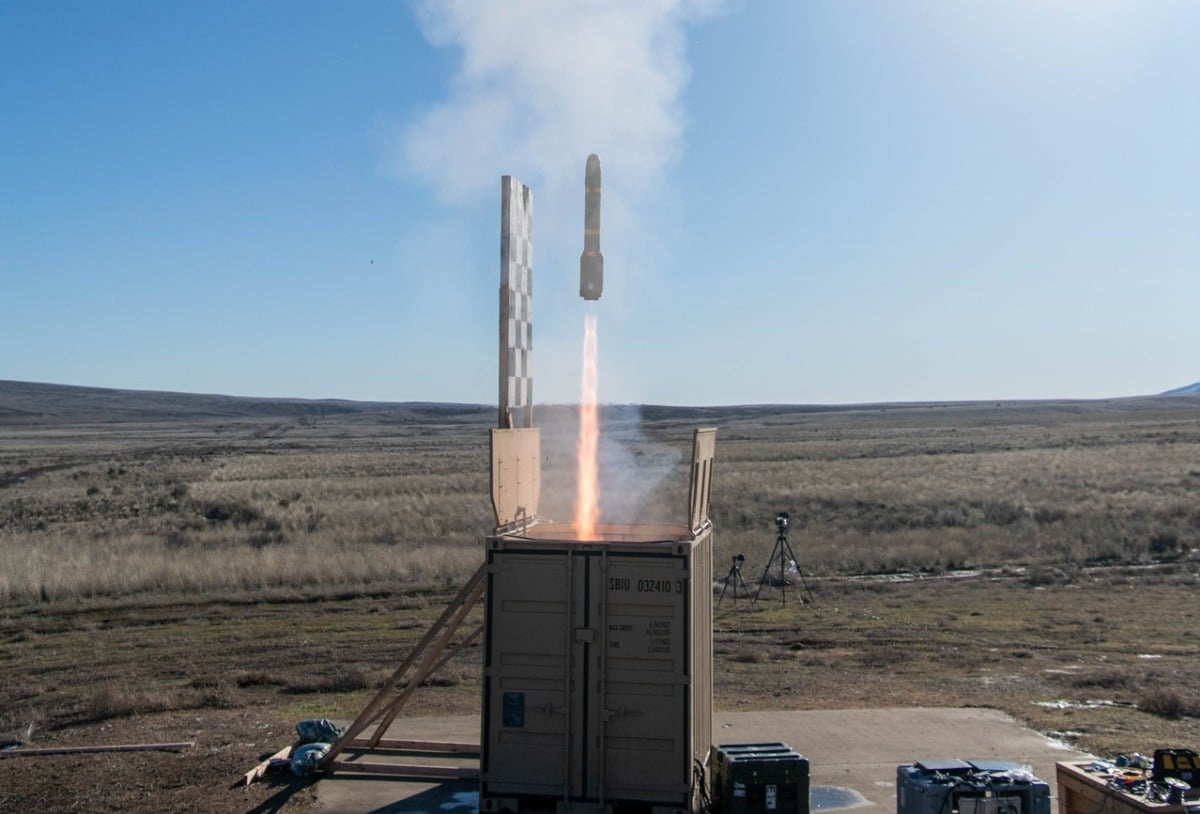
GRIZZLY is essentially a rugged, containerized missile-in-a-box launcher designed to look like a standard shipping container. It holds eight rounds and can be slapped onto the back of a flatbed truck or bolted to the deck of a cargo ship. During the test, the GRIZZLY launcher fired a Joint Air-to-Ground Missile (JAGM) to knock the target out of the sky.
Fixing the defense equation
The real breakthrough here isn't just that a missile hit a drone. It is the architecture of the system.
Group 3 drones typically fly below 18,000 feet and weigh up to 1,320 pounds. They are loud, relatively slow, and highly destructive. Russia has launched thousands of these types of loitering munitions to drain air defense stockpiles.
If you use heavy air defense systems to stop them, you run out of ammunition long before the enemy runs out of drones. Lockheed is trying to rebalance those numbers.
- Speed of deployment: Going from a whiteboard concept to a live-fire interception in 45 days is unheard of in traditional defense procurement.
- Low-cost sensors: By relying on commercial radar tech and software rather than bespoke military radar networks, the cost per defensive node drops significantly.
- Modular footprint: Because the entire system fits into standard shipping configurations, forces can scatter these launchers across a wide area without building permanent installations.
It builds a distributed network. Instead of relying on a single, massive radar and missile battery, a military can deploy dozens of these containerized units across a coastline or around a city. If an attacker sends a swarm, the AI-driven Sanctum software coordinates which launcher takes the shot, preventing multiple systems from wasting ammunition on the same target.
Software replaces heavy hardware
We are seeing a major pivot away from heavy, centralized hardware toward flexible software networks. The hardware matters, but the AI architecture connecting the pieces matters more.
Systems like Sanctum are designed to create a fast "kill web." The software doesn't care if the radar comes from one vendor and the missile launcher comes from another. It acts as a universal translator, taking raw data, making sense of it via machine learning models, and executing the intercept.
This approach acknowledges a brutal reality of modern warfare: you cannot build specialized hardware fast enough to keep up with cheap, iterative drone designs. The only way to counter rapid software updates on an attack drone is to have an AI defense system that can adapt just as quickly.
To get a sense of how fast this threat is mutating, look at the sheer volume of drone employment globally. The demand for interceptors is completely outstripping production capacity. Lockheed delivered roughly 600 Patriot PAC-3 MSE missiles in 2025, yet nations facing active drone threats can burn through that volume of air defense ammunition in a matter of months. A secondary, agile layer of defense is mandatory.
Implementing distributed defense
For defense planners and security personnel looking to harden infrastructure against uncrewed threats, the path forward requires moving away from the expectation of a single, perfect shield.
First, audit existing perimeter security to see if it can ingest third-party radar data. True modernization means ensuring your current tracking systems can talk to open-architecture battle management software.
Second, prioritize modularity. Fixed defense positions are easily mapped and bypassed by low-altitude suicide drones. Investing in containerized or mobile platforms ensures that your defensive posture can change overnight, forcing an adversary to constantly guess where your interceptors are hidden.