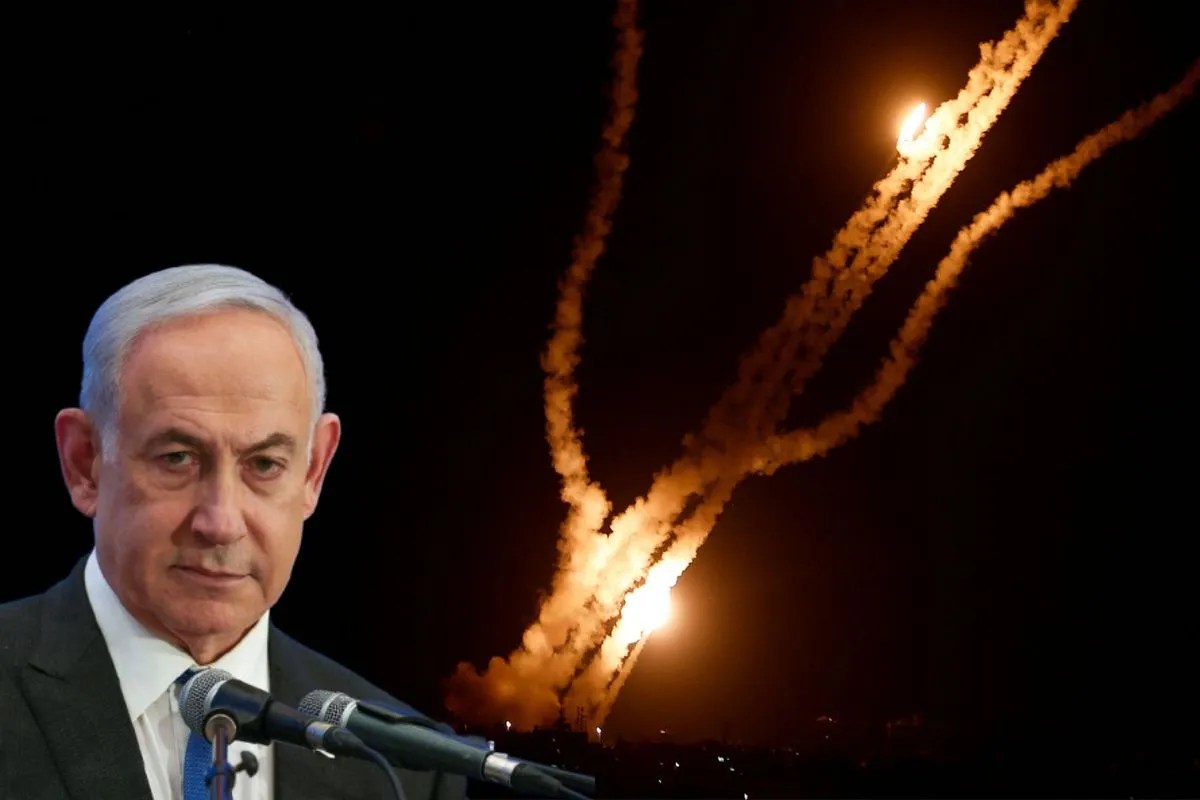
The ground shifted underneath the Middle East on October 7, 2023. What started as an unprecedented operation by Hamas shattered decades of security assumptions in Tel Aviv and triggered a military response that changed global geopolitics forever.
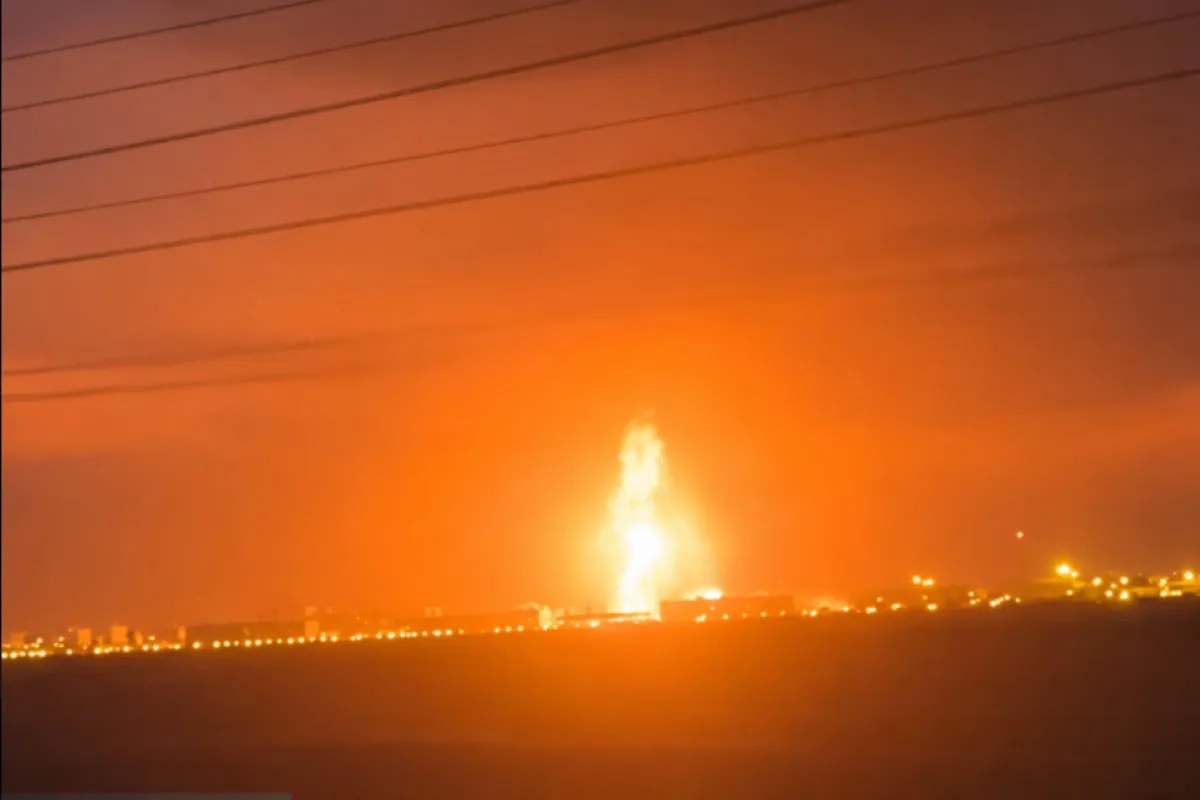
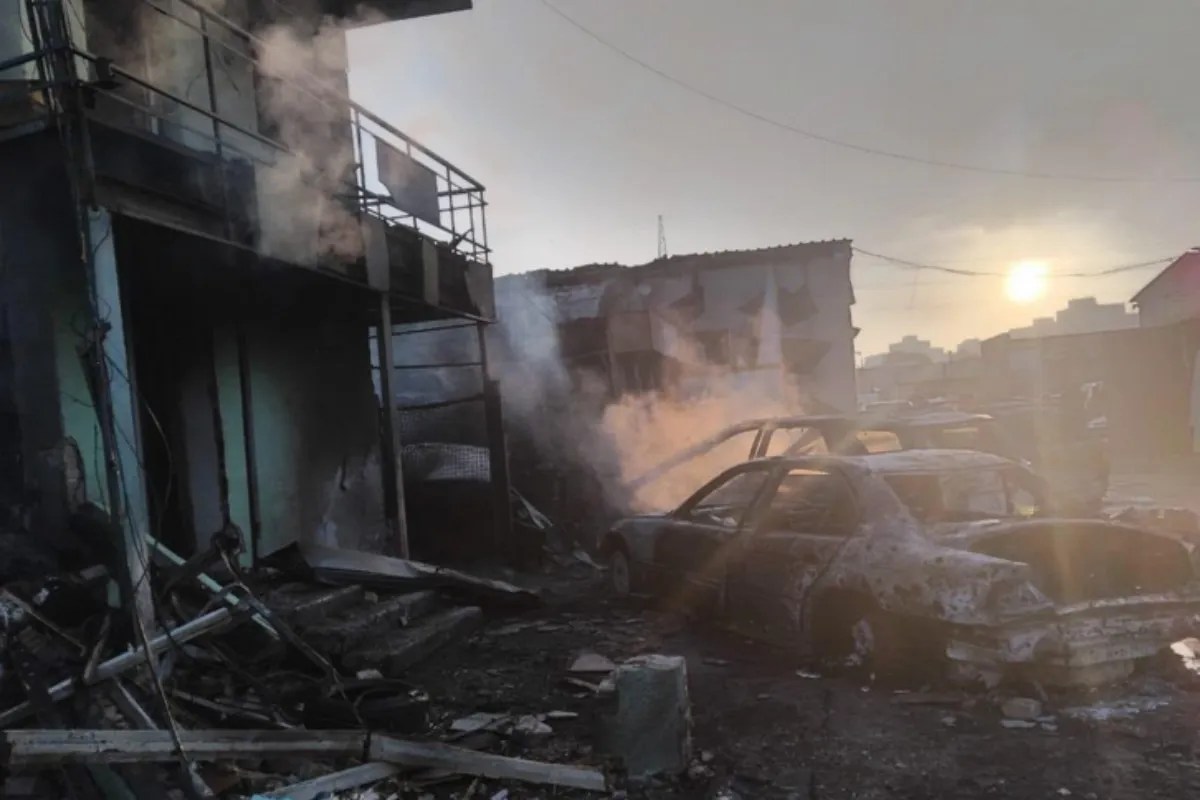
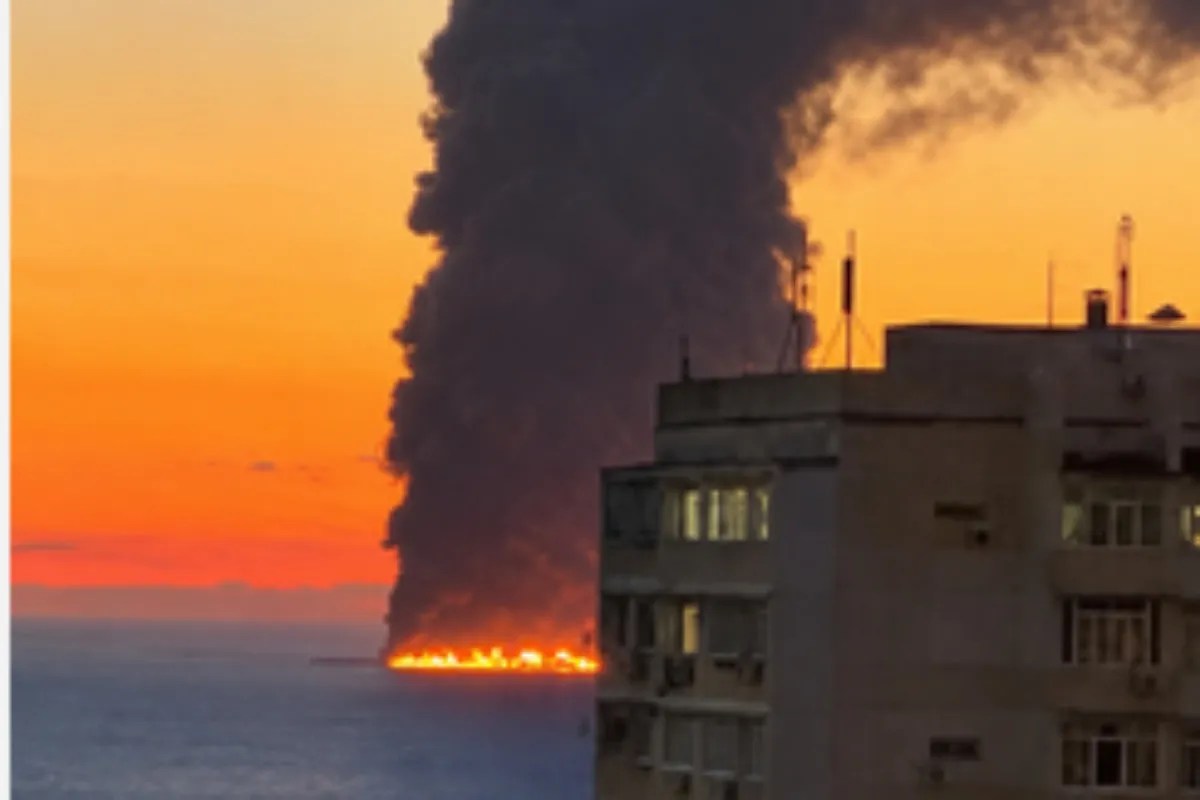
Three years later, the visual record of Gaza tells a devastating story. Over seventy thousand casualties later, the conversation in Western capitals has mutated beyond recognition. Washington, London, and Berlin used to offer unconditional backing. Today, that blank check is gone, replaced by deep internal fractures, political paralysis, and a quiet panic among traditional allies who realize the old playbook doesn't work anymore.
If you want to understand why Western diplomacy feels so broken right now, you have to look past the official press releases. You have to look at how public opinion, legal pressure, and sheer geopolitical exhaustion collided over seventy-two months of continuous bloodshed.
The Cracking Foundation of Unconditional Support
For decades, the transatlantic alliance shared a basic reflex when conflict erupted in the Levant. Israel had a right to defend itself, and Western leaders would provide the diplomatic shield and military hardware to make it happen. That reflex survived past flare-ups, rocket barrages, and previous ground incursions into Gaza.
October 7 tested that reflex to its absolute breaking point, and then it broke.
The scale of the initial assault shocked Western societies, but the prolonged nature of the counter-offensive flipped public perception on its head. When a conflict stretches past a thousand days, optics transform into policy. Daily images of flattened neighborhoods, displaced families, and acute humanitarian crises didn't stay on television screens; they walked into parliaments, university campuses, and corporate boardrooms across Europe and North America.
Governments that started the war with firm declarations of solidarity found themselves caught in a vicious trap. Their domestic populations grew increasingly hostile to the civilian toll, while their strategic planners worried about regional escalation involving Iran, Hezbollah, and global trade routes through the Red Sea.
Washington and Berlin Caught in the Middle
The United States remains Israel's primary benefactor, but the nature of that relationship has frayed at the edges. Behind closed doors, American officials spent years trying to shape an exit strategy that never materialized. The tension between strategic loyalty and domestic electoral politics became impossible to ignore. Every shipment of heavy munitions sparked intense congressional battles and fierce protests outside military installations.
Europe represents an even sharper divergence. Germany, bound by its historical responsibility, maintained its rhetorical backing longer than almost anyone else. Yet, Berlin eventually had to navigate mounting legal challenges from human rights groups and quiet pressure from fellow European Union members.
Countries like Spain, Ireland, and Norway didn't just issue mild reprimands. They took concrete diplomatic steps, recognizing Palestinian statehood and openly questioning whether military operations complied with international humanitarian law. This wasn't just posturing. It signaled a profound loss of trust in the current Israeli government's long-term vision.
The Cost of Isolation on the Global Stage
While Western governments wrestled with internal dissent, the rest of the world watched closely. The diplomatic fallout extended far beyond Europe and North America.
For years, Western diplomats lectured other nations about rules-based international order. When the Global South pointed to double standards regarding civilian protection, food blockades, and United Nations resolutions, Western arguments often fell flat. That rhetorical damage won't heal anytime soon. Emerging economies noticed who spoke up for Gaza and who stayed silent, shifting trade and diplomatic alliances in ways that will shape international relations for the next generation.
International courts stopped being abstract forums and started issuing real mandates. Arrest warrants, genocide allegations at the International Court of Justice, and trade restrictions created a web of legal constraints that no modern democracy can easily brush aside. Leaders who once traveled freely now face tricky legal calculations before booking flights abroad.
Where This Leaves Us Now
You cannot unsee seventy thousand casualties. You cannot pretend that the geopolitical architecture of 2020 still applies today.
Israel finds itself more militarily capable in the short term, yet more diplomatically isolated than at any point in its modern history. The traditional bipartisan consensus in the West regarding Middle Eastern policy is dead. It has been replaced by a bitter, polarized debate where foreign policy is fought out on local street corners and university quadrangles.
The next phase won't bring easy resolutions. The underlying drivers of the conflict remain completely unresolved, and the civilian population of the region continues to pay the steepest price for diplomatic failures. Stop looking for a neat conclusion to this story, because there isn't one. The damage is done, the alliances are permanently altered, and the old world is never coming back.