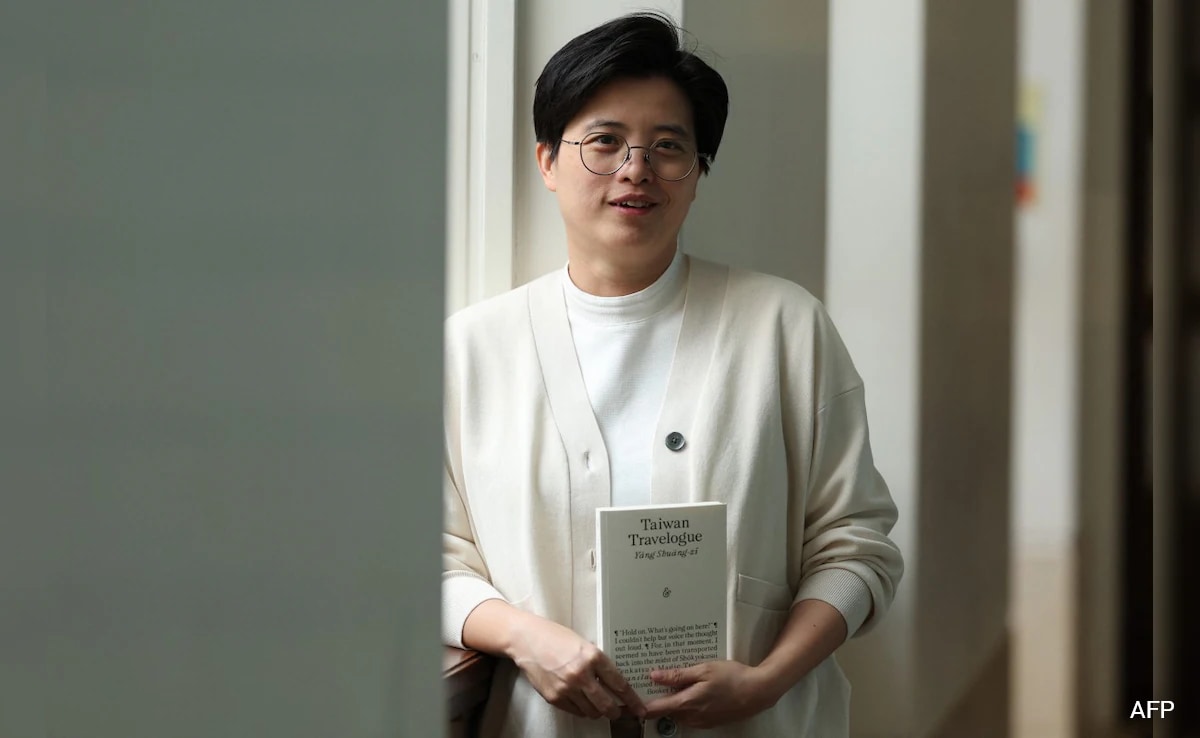
Sonia Bazanta Vides, known globally as Totó La Momposina, died on May 19, 2026, in Mexico at the age of 85. Her death, triggered by a myocardial infarction after a long battle with neurocognitive complications, marks the end of an era for Latin American music. While mainstream obituaries frame her passing as the loss of a folk icon or the "Queen of Cumbia," these titles sanitize a fierce, radical career. Totó did not just sing folk music; she weaponized ancestral rhythms to fight the systemic erasure of Afro-Colombian and Indigenous identities in a country historically ashamed of its own skin.
For over six decades, her voice served as the living archive of the Magdalena River. Her international breakthrough with the 1993 album La Candela Viva introduced global audiences to the complex, percussion-driven reality of Colombia. Yet, the true weight of her legacy lies in how she navigated the exploitation of corporate music, the violence of forced displacement, and the cultural theft that disguised itself as modern sampling.
The Audacity of the River
To understand her impact, one must look at the geography of her sound. Born in Talaigua Nuevo, near the river port of Mompox, Totó was born into a musical lineage spanning five generations. Her father was a master drummer; her mother was a singer and dancer. This was not commercial music designed for radio play. It was functional music, tied to the labor and survival of the cantadoras—peasant women who sang to pace the pounding of corn or the scrubbing of clothes in the river.
When Colombia’s brutal mid-century civil war, La Violencia, forced her family to flee to Bogotá, they carried these rhythms like contraband. In a cold, Eurocentric capital that looked down upon the coastal traditions of Black and Indigenous people, Totó and her mother established a dance group to preserve their identity.
Her career was an act of historical reclamation. She spent years traveling from village to village along the Caribbean coast, documenting rhythms that the white elite in Bogotá dismissed as primitive. She mastered the bullerengue, the porro, the chalupa, and the mapalé. These sounds were born from the violent collision of African enslaved labor and Indigenous resistance.
[African Percussion: Tambor Mayor & Llamador]
                       +
[Indigenous Wind: Gaita Flutes]
                       =
The Sonic Resistance of Cumbia
The Night She Rebuked Eurocentrism
The defining political moment of her early career came in 1982. Gabriel García Márquez had won the Nobel Prize in Literature. The Colombian political establishment wanted to present a polished, Europeanized image of the country to the Swedish royalty in Stockholm. García Márquez refused. He demanded that Totó La Momposina and her troupe of coastal musicians accompany him.
"The stage is a temple. You must respect it. I give my heart to the audience. It is a commitment."
— Totó La Momposina
Standing before an audience of European dignitaries clad in strict black-tie attire, Totó took the stage in her traditional pollera dress, backed by the thunder of traditional drums. It was a calculated subversion. She forced the global elite to look directly at the Afro-descendant and Indigenous foundations of Colombian culture. That performance did not just entertain; it validated a marginalized population back home, proving that the music of the riverbanks belonged on the world's most prestigious stages.
Corporate Sampling and Contentious Tributes
By the 1990s, the global music industry caught up with what Totó had been doing for decades. Peter Gabriel signed her to his Real World Records label, leading to La Candela Viva. Suddenly, tracks like "El Pescador" and "La Verdolaga" were international anthems.
Then came the samplers.
The multi-million-dollar electronic and hip-hop industries quickly discovered the infectious, organic power of her catalog. Her work became the foundational spine for massive global hits.
- Major Lazer and J Balvin sampled her 1993 classic "Curura" for their hit "Que Calor."
- Jay-Z used "La Verdolaga" for the track "Blue's Freestyle/We Family."
- Timbaland and Michel Cleis routinely mined her discography for rhythm tracks.
This crossover presents a complex reality. On one hand, these samples introduced her voice to younger, digital-native audiences who had never heard of the Magdalena River. On the other hand, it highlighted a persistent industry imbalance. While urban superstars and electronic producers generated massive streaming numbers and festival revenues using her hooks, the traditional musicians who invented these rhythms rarely saw equitable financial returns or creative control.
Totó never publicly expressed bitterness about the samples, but she remained fiercely protective of the music's spiritual core. She openly resisted the celebrity industrial complex, frequently reminding interviewers that these songs did not belong to her, nor did they belong to corporate executives. They belonged to the communities that kept them alive through centuries of oppression.
The Heavy Cost of Preservation
The commercialization of folk music often creates a false narrative that these traditions are safe once they reach global acclaim. The reality is far more fragile. Totó’s retirement in September 2022, following a final performance at the Festival Cordillera in Bogotá, was forced by progressive neurocognitive decline.
Her illness underscored a brutal truth about traditional music in Latin America: the preservation of oral history takes a massive physical and mental toll. For sixty years, Totó was the human hard drive for rhythms that had no written sheet music. She carried hundreds of years of undocumented cultural memory in her mind and voice. When that memory began to fade, a piece of Colombia's living history faded with it.
Furthermore, state support for these foundational artists remains abysmal. While Colombia's Ministry of Culture issued glowing statements praising the "eternal master" upon her death, the country's actual infrastructure for supporting aging folk musicians is notoriously weak. Many legendary cantadoras and drummers who paved the way for Colombia's current global pop explosion—artists like Shakira, Karol G, and J Balvin—spent their final years in poverty. Totó survived through international touring and the support of her family, but her peers often face a much grimmer reality.
The Unfinished Work of the Cantadora
A state tribute is scheduled for May 27, 2026, at the Capitolio Nacional in Bogotá, where her remains will be brought from Mexico. The politicians who once ignored her music will line up to give speeches.
Her true monument, however, is not a plaque in a government building. It is the survival of the rhythm. By training her children and grandchildren—who joined her on her later recordings—and by forcing the global music industry to credit the originators of Cumbia, she ensured that the line would not break.
The music of Totó La Momposina was never meant to be museum-piece folklore, preserved under glass for tourists. It was designed to be loud, disruptive, and deeply communal. The loss of her physical voice leaves a massive silence on the stage, but the drums she brought out of the jungle and onto the global stage cannot be silenced.