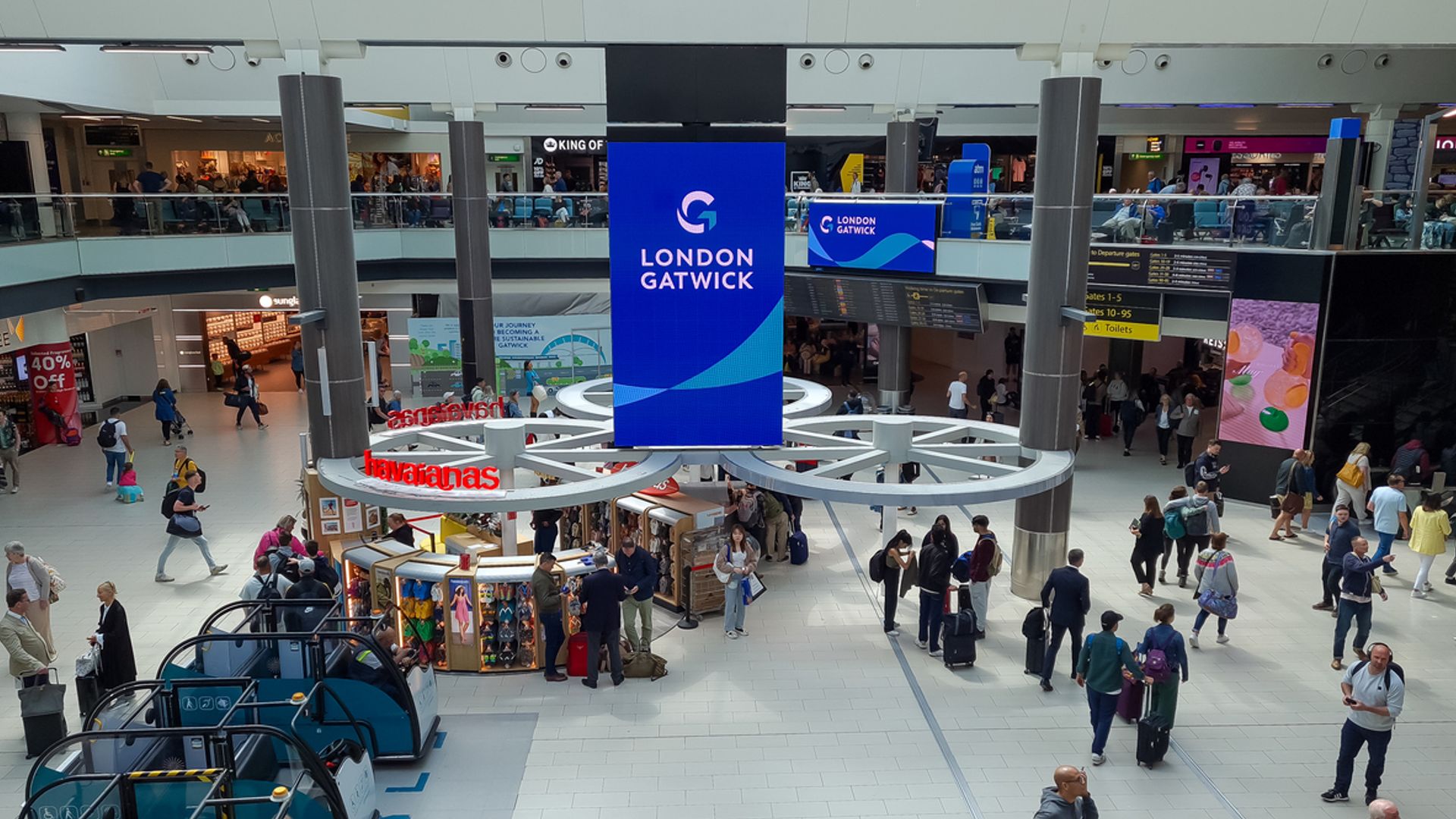
The air inside a major international terminal usually smells of distinct, manufactured things. Jet fuel mixed with high-altitude espresso. Duty-free perfume cutting through the faint, warm scent of industrial carpet. But on a Tuesday that stretched into a quiet disaster at Gatwick, the air changed.
It smelled of uncertainty.
Pause for a second and think about what an airport actually is. We treat them like concrete bus stops. We show up, hand over a slip of paper, squeeze our luggage into a metal overhead bin, and pretend we are anywhere else. We ignore the plumbing. We ignore the invisible orchestration of electricity, pumps, valves, and wires humming beneath the polished floor tiles. We assume the modern world works because it has always worked.
Then the power cuts out. And the illusion cracks.
Consider what happens when the infrastructure of a massive transit hub simply stops. Not with a cinematic explosion, but with a quiet, sullen click. Lights flicker, die, and leave behind the dim, amber glow of emergency beacons. The escalators turn into heavy, unmoving staircases. The sliding glass doors lose their breath, freezing halfway open as a draft of cold tarmac air sweeps into the terminal.
For the thousands of passengers trapped inside Gatwick during the major outage, the immediate crisis wasn't just delayed flights. It was something far more visceral.
The toilets stopped flushing.
Let that sink in. A modern cathedral of global mobility, a gateway designed to funnel millions of human lives across continents every single year, was suddenly reduced to a basic, medieval survival test. Without running water, the sanitation systems failed instantly. Handwashing stations went dry. Restrooms were locked, cordoned off with hasty yellow tape that fluttered pathetically in the stagnant air.
Imagine standing in that line. Imagine carrying a toddler on your hip, having just navigated a chaotic dash from the train station, only to find yourself trapped in a slow-moving, anxious sea of humanity with no facilities, no clear information, and no escape.
This is where the cold statistics of an infrastructure failure collide with a human heartbeat.
We read headlines about power grids and utility failures as if they affect spreadsheet cells. We talk about percentages of capacity, backup generator failures, and system maintenance logs. But a delayed flight is not just a missed connection on a screen. It is a missed wedding anniversary. It is a exhausted mother sleeping upright on a plastic chair because her hotel voucher is trapped behind an offline computer terminal. It is a business traveler staring blankly at a dead phone screen, wondering if the deal of a lifetime is dissolving while they sit in the dark, unable to reach the gate.
Airports run on trust. We hand over our safety to pilots, our navigation to air traffic controllers, and our basic bodily comfort to invisible municipal engineering. When that trust breaks down, panic does not arrive with a roar. It arrives as a slow murmur. It starts in the coffee shops where registers refuse to open. It spreads to the baggage carousels that sit silent, mocking the tired travelers waiting for bags that will not appear.
The staff at Gatwick found themselves on the front lines of an impossible war. Picture a customer service agent wearing a high-visibility vest, standing behind a desk where every monitor is entirely black. They have no flight data. They have no answers. They have only their own voice to offer to a crowd of hundreds demanding to know when they can go home.
Communication is the first casualty of an outage. When the screens go dark, rumors rush in to fill the vacuum. Someone hears a whisper that the airspace is closed. Someone else claims all trains are canceled. The anxiety compounds, twisting through the terminals like static electricity.
Yet, in the middle of the breakdown, small human moments stubbornly emerge.
A stranger shares a bottle of warm water with a crying toddler. Two travelers who met ten minutes ago take turns guarding each other's luggage while one goes on a desperate hunt for a working phone charger in a distant parking garage. People adapt. We have to. We are creatures built to endure inconvenience, even when our high-tech systems completely abandon us.
The Gatwick outage was a stark reminder of our fragility. We build these towering monuments to speed and efficiency, forgetting how thin the margin really is between a functioning global village and a crowded, dark room.
When the lights finally flicker back on and the water begins to rush through the pipes once more, the relief is palpable. The escalators jerk into motion. The boarding passes print with a reassuring whine.
We pick up our bags. We walk through security. We board the plane.
And as the aircraft lifts off the damp tarmac, banking into the grey clouds above Sussex, we look down at the tiny lights of the terminal shrinking below us, pretending we were never really afraid of the dark.