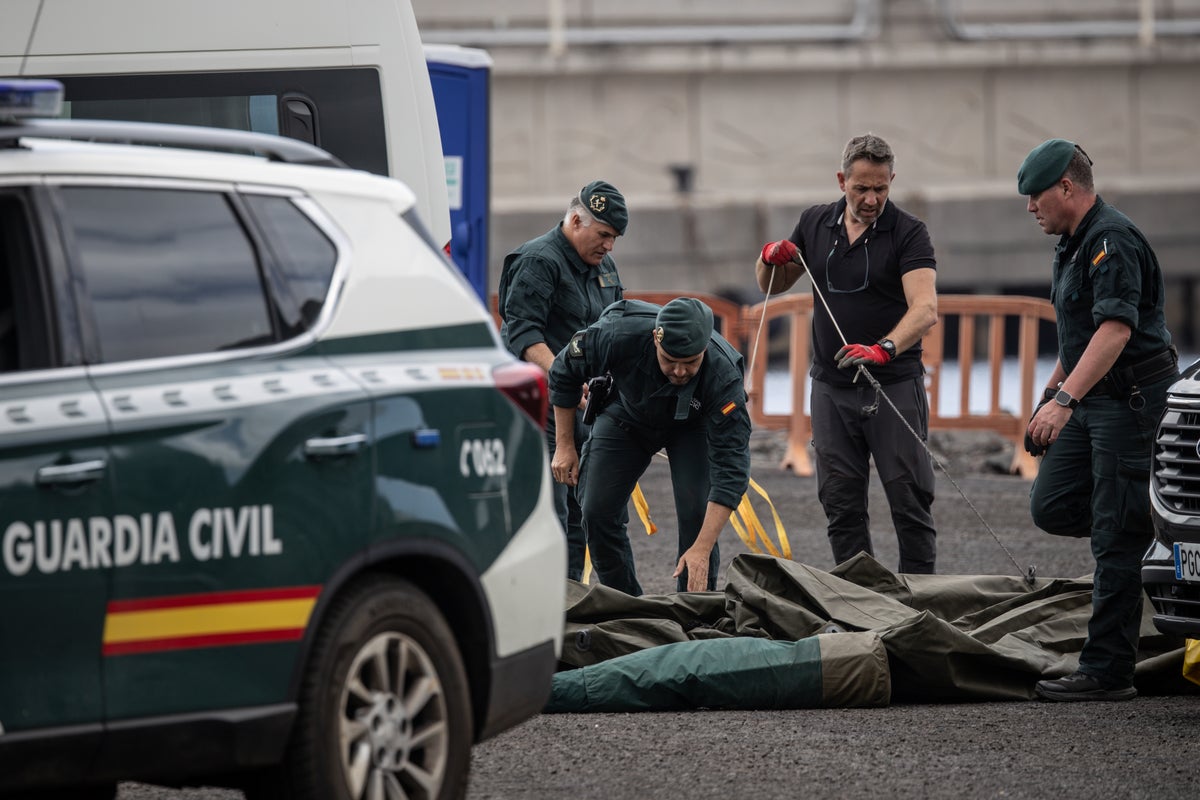
The media loves a "military-style" operation. It suggests competence, discipline, and a level of logistical mastery that makes the average person feel safe. When the news broke about the hantavirus outbreak on a cruise ship docked in Tenerife, the narrative was predictable. We were sold a story of elite coordination, sterile corridors, and a surgical extraction of passengers.
It’s a lie.
What actually happened in Tenerife wasn't a masterclass in bio-hazard management. It was a panicked, high-budget performance designed to save the cruise line’s stock price, not the passengers' health. I’ve spent two decades auditing maritime safety protocols, and I can tell you that when a captain starts using words like "military-style," it usually means the civilian systems have already collapsed.
The Myth of the Sterile Extraction
The mainstream reports focused on the visuals: hazmat suits, cordoned-off piers, and ambulances lined up like toy soldiers. This is what we call "hygiene theater."
Hantavirus is primarily transmitted through the aerosolization of rodent excreta. On a cruise ship—a floating city with thousands of miles of ductwork—the idea that you can perform a "surgical" removal of infected individuals while the rest of the ship remains "safe" is scientifically illiterate. If the virus is in the HVAC system, the entire ship is a petri dish.
The "military-style" evacuation didn't stop the spread; it merely moved the risk from the ship to the shore-side infrastructure. By rushing the disembarkation under the guise of "efficiency," the authorities bypassed the very quarantine protocols designed to keep the island safe. They traded long-term epidemiological security for a short-term PR win.
Stop Asking if the Ship is Clean
People keep asking, "Is it safe to get back on the water?" That is the wrong question. The right question is: "Why are we still building ships that are fundamentally impossible to sanitize?"
Modern mega-ships are designed for density and profit margins, not biological containment. When you cram 5,000 people into a closed-loop environment, you aren't on a vacation; you are part of a massive experiment in viral transmission.
- The Air Handling Trap: Most ships recirculate a significant percentage of air to save on fuel costs.
- The Grey Water Risk: Rodent infestations are not a "cleanliness" issue; they are a structural inevitability in massive vessels that dock in international ports daily.
- The Staffing Gap: The "military precision" touted in Tenerife was handled by overworked crew members with three hours of specialized training and a laminated checklist.
I’ve seen cruise lines spend $500,000 on a single night of "deep cleaning" that did nothing more than coat the surfaces in a pleasant-smelling disinfectant. It looked great for the cameras. It did nothing for the viral load in the carpets.
The Cost of the Performance
The Tenerife operation cost millions. Who paid? Not the cruise line’s executive suite. The costs are absorbed by local taxpayers and eventually passed down to the passengers in the form of "security fees."
We are paying for the illusion of safety.
Real safety would look boring. It would look like a 14-day offshore quarantine where nobody leaves their cabin. It would look like a total cessation of boarding until the entire vessel is stripped to the bulkheads. But "boring" doesn't make for a good press release, and it certainly doesn't help the quarterly earnings report.
The Logistics of Failure
Let’s look at the actual mechanics of the Tenerife "extraction."
- Information Blackout: Passengers were kept in the dark until the hazmat teams appeared. This isn't "managing panic"; it’s a violation of basic maritime law regarding passenger safety and informed consent.
- Resource Exhaustion: By demanding a high-speed, "military" response, the local Tenerife medical infrastructure was pushed to the brink. Elective surgeries were canceled. Local ambulances were diverted.
- The False Negative: Rapid testing in a high-stress environment has a notorious error rate. By clearing passengers for flights home based on a single snapshot test, the "military operation" potentially exported the virus to dozens of different countries.
Why You Should Be Skeptical of the Hero Narrative
Whenever you see a government or a corporation puffing its chest about a "flawless execution" in the face of a biological threat, look for what they aren't showing you.
They aren't showing you the frantic emails between lawyers arguing over liability. They aren't showing you the crew members who were forced to handle contaminated waste with substandard gear. They are showing you the uniforms.
The Tenerife operation was a success only if you define success as "getting the ship out of the news cycle as fast as possible." If you define success as "protecting public health and preventing future outbreaks," it was a categorical failure.
The Hard Truth About Maritime Health
The cruise industry operates in a regulatory grey area that would never be tolerated in any other sector. If a hotel had a hantavirus outbreak, it would be condemned. If a restaurant had a rodent problem of this scale, it would be leveled. But put it on the ocean, and suddenly it’s a "logistical challenge" requiring a "military response."
We need to stop treating these incidents as freak accidents. They are the logical conclusion of an industry that prioritizes scale over safety.
Your Actionable Reality Check
If you find yourself on a ship facing a "military-style" health intervention:
- Refuse the Narrative: Don't assume the person in the suit knows more than you. Ask for specific testing protocols and data.
- Independent Documentation: Record everything. The "official" version of events will be scrubbed by the legal department before the ship even hits the next port.
- Demand a Real Quarantine: If there is a legitimate bio-threat, the safest place isn't a crowded bus to the airport. It's isolation. If they try to move you fast, they are moving you for their convenience, not your health.
The "military-style" operation in Tenerife wasn't about saving lives. It was about saving the brand. Until we stop falling for the theater, we will keep paying for the tickets.
Stop clapping for the performance. Start demanding a refund for the risk.