Tehran confirmed receipt of an official American reply regarding its latest proposal to conclude the ongoing conflict, marking a fragile shift in diplomatic posture after weeks of public stonewalling. Behind closed diplomatic channels managed through Qatari and Pakistani intermediaries, the communication arrives as both governments find themselves trapped in an unsustainable cycle of attrition. The core dispute centers on Iran's conditions for reopening the Strait of Hormuz, a choke point critical to global energy flows, contrasted against Washington's insistence on comprehensive nuclear compliance and regime containment. While public statements from the White House have oscillated between threats of total destruction and dismissals of the necessity for a formal pact, the quiet exchange of diplomatic text signals that neither side can afford an indefinite military vacuum. Yet, bridging the chasm between Tehran's demand for immediate sanctions relief and Washington's unyielding security demands remains an uphill battle defined by deep-seated distrust. Intelligence analysts and regional diplomats monitoring the back-channel communications note that while the written replies acknowledge receipt and outline procedural parameters, substantive gaps on key security guarantees remain wide open.
The Mechanics of a Deadlocked Proposal
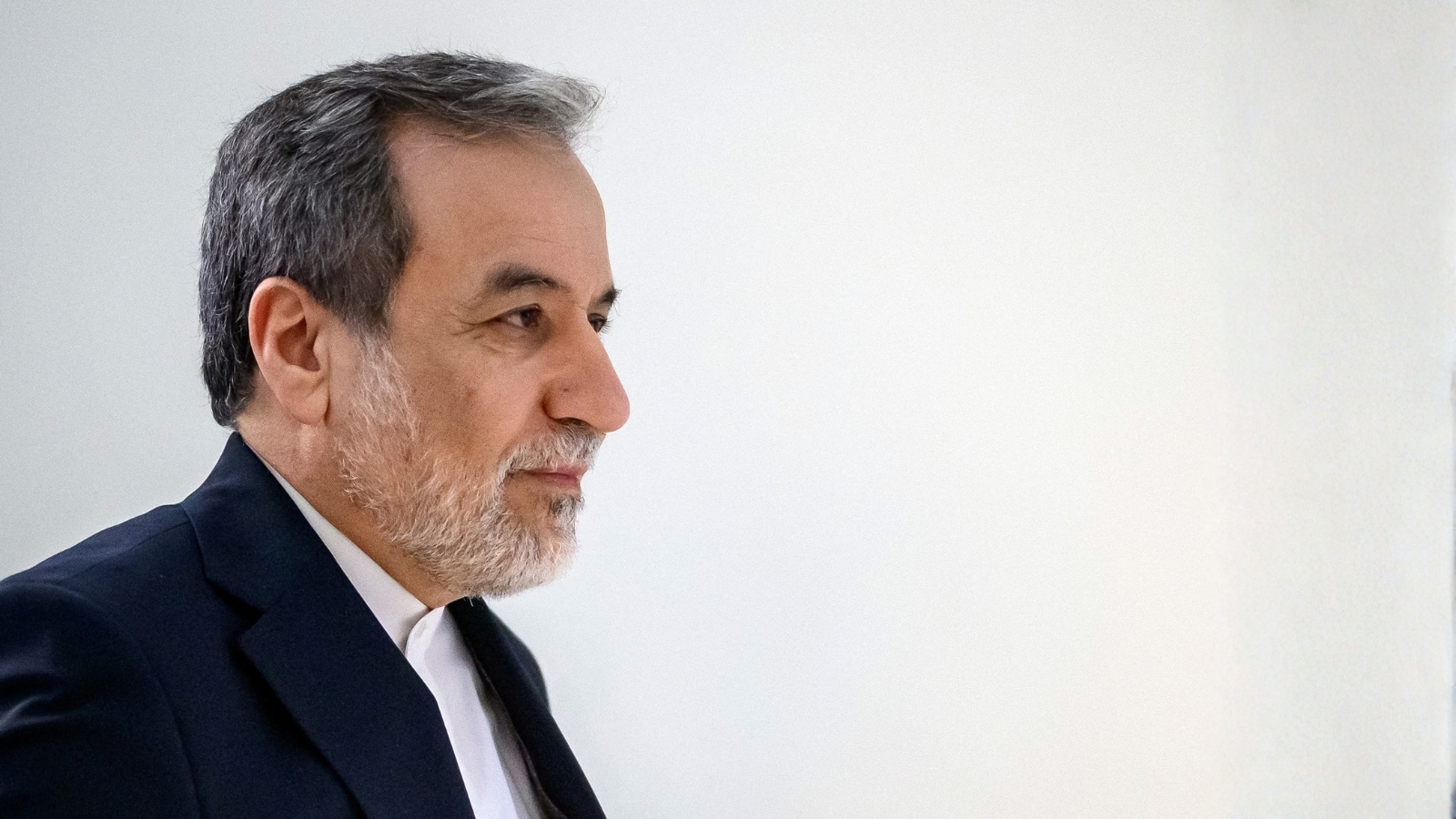
Diplomacy rarely moves in straight lines. It crawls through a labyrinth of mutual suspicion. The latest Iranian proposal outlined a rapid two-day implementation window for resuming full commercial navigation through the Strait of Hormuz, down from an initial timeline that Tehran touted as a sign of diplomatic goodwill. In exchange, Iranian negotiators demanded the complete lifting of the naval blockade strangling their ports, the waiver of international sanctions on oil sales, and the release of billions in frozen financial assets parked abroad. Washington met these demands with public rejection. Senior American officials insisted that such concessions were entirely off the table without prior, verifiable dismantling of Iran's sensitive nuclear infrastructure. However, diplomatic cables tell a more nuanced story. Mediators in Doha have pressed both administrations to look past public bluster and examine the mechanics of an interim arrangement. The gap is not merely about oil or shipping lanes. It is about sovereignty and face. Tehran views the blockade as an act of economic warfare designed to trigger domestic collapse, whereas Washington views sanctions relief as an unearned reward without prior structural compliance. Every sentence in this diplomatic dance is weighed against the risk of appearing weak to domestic constituencies, creating a paralysis where procedural acknowledgments substitute for genuine breakthroughs.
Economic Bleeding Inside the Capital
Numbers do not lie. The Iranian economy is bleeding out. Currency values have plummeted to historic lows, with exchange rates soaring past previous records as the national currency experiences a brutal freefall. This economic decay predates the outbreak of hostilities but has accelerated sharply under the weight of the naval blockade and expanded international restrictions. Ordinary citizens bear the brunt of this descent. Medication prices have tripled, creating acute shortages of essential pharmaceuticals and leaving families scrambling for basic treatments. Food inflation matches the trajectory of medical costs, while unemployment climbs steadily. The regime faces a double-fronted crisis: external military pressure from the United States and internal dissent fueled by economic desperation. Recent crackdowns on anti-government protests illustrate the state's rigid reliance on security apparatuses to suppress popular rage. When currency depreciation erodes the purchasing power of the middle and working classes overnight, the ruling elite understands that economic survival dictates foreign policy maneuvers far more than ideological posturing. The clerical establishment cannot afford to ignore the restless streets, even as it maintains a defiant posture at the negotiating table. State planners find themselves caught between the prohibitive costs of continuing maritime hostilities and the political hazards of appearing to surrender to American pressure.
The Calculus of Maritime Choke Points
Geography is destiny. The Strait of Hormuz remains the jugular vein of global energy transport. When maritime skirmishes and tanker fires disrupted shipping earlier in the conflict, global energy markets convulsed, sending oil prices soaring before stabilizing as alternative transit routes, including Red Sea pathways and overland pipelines, partially compensated for the shortfall. Iran's primary strategic advantage relies on its ability to threaten this vital artery. By restricting movement or engaging in asymmetric naval tactics, Tehran sought to impose global economic pain to force a relaxation of sanctions. Yet, this strategy carries severe blowback. The United States and its regional allies responded with a reinforced naval presence, establishing heavily protected nighttime corridors and utilizing alternative supply networks that blunt the efficacy of the blockade. Consequently, Iran's economic isolation deepened while global markets adapted to the friction. This dynamic explains why Tehran's latest proposal offers a rapid two-day reopening of the strait. It is a quiet acknowledgment that the economic weapon has begun to inflict more self-harm than external pressure on its adversaries. Commercial shippers have grown adept at navigating the altered security landscape, reducing the shock value of Iranian naval posturing and eroding Tehran's primary card at the bargaining table.
Electoral Timelines and Washington Calculations
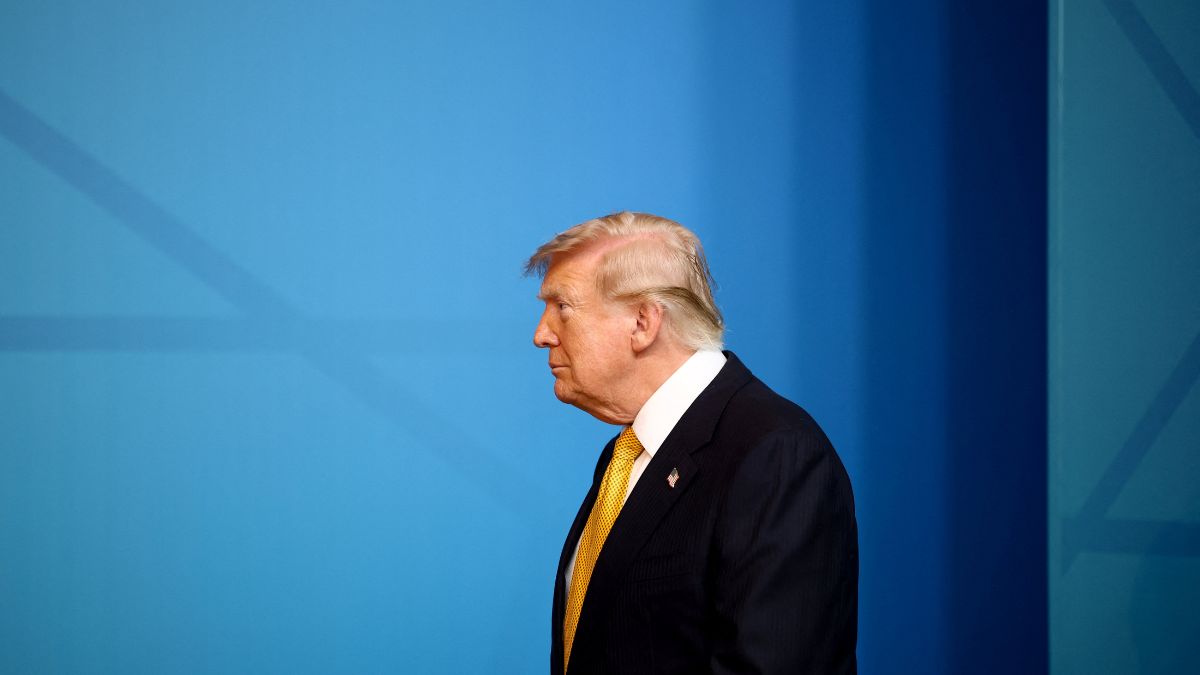
Politics dictates timing. High-stakes foreign policy decisions rarely occur in a vacuum devoid of electoral calculations. As domestic political campaigns heated up around midterm voting cycles, the White House faced intense scrutiny over energy costs, inflation, and foreign entanglements. Political opponents weaponized fuel price spikes and Middle Eastern instability to criticize incumbent leadership. In response, executive messaging fluctuated wildly. One day brought warnings of imminent strikes and declarations that a deal was unnecessary. The next day brought assertions that Tehran desired a swift settlement and that progress was quietly unfolding. This erratic communication style reflects an administration attempting to project strength to its base while quietly seeking an off-ramp that prevents oil price shocks before voters head to the polls. The tension between political theater and strategic necessity leaves foreign diplomats scrambling to discern actual policy from campaign rhetoric. Washington wants a diplomatic win that keeps oil prices stable without appearing weak in front of domestic critics, creating a narrow corridor for compromise. Bureaucrats and intelligence briefers must constantly calibrate their public pronouncements to match the mercurial shifts of executive political strategy, rendering long-term policy formulation nearly impossible.
Beyond the Rhetoric of Total Victory
Peace requires compromise. Both capitals remain deeply allergic to the word. Decades of hostility have built an institutionalized architecture of suspicion where neither side believes the other will honor a written agreement. Comprehensive peace remains elusive because each government operates under the conviction that time favors its broader strategic trajectory. Washington calculates that relentless economic pressure, combined with regional security alignments, will eventually crack the clerical establishment. Tehran calculates that Western political fatigue, coupled with the fragility of global energy markets, will eventually force Washington to blink. As diplomatic notes continue to pass through Qatari channels, the immediate future points toward a fragile equilibrium of controlled friction rather than a definitive peace treaty. The exchange of official responses does not guarantee a breakthrough. It merely underscores that both nations recognize the limits of total escalation. The true test of these negotiations will not be found in public declarations or press briefings, but in the quiet dismantling of economic blockades and the restoration of unhindered maritime commerce. Until those concrete steps materialize, the region remains suspended in a tense suspension of hostilities where a single miscalculation by operational commanders could shatter the fragile diplomatic architecture currently being constructed in the shadows. The structural impasse remains intact, bound by history, distrust, and the relentless ticking of political clocks