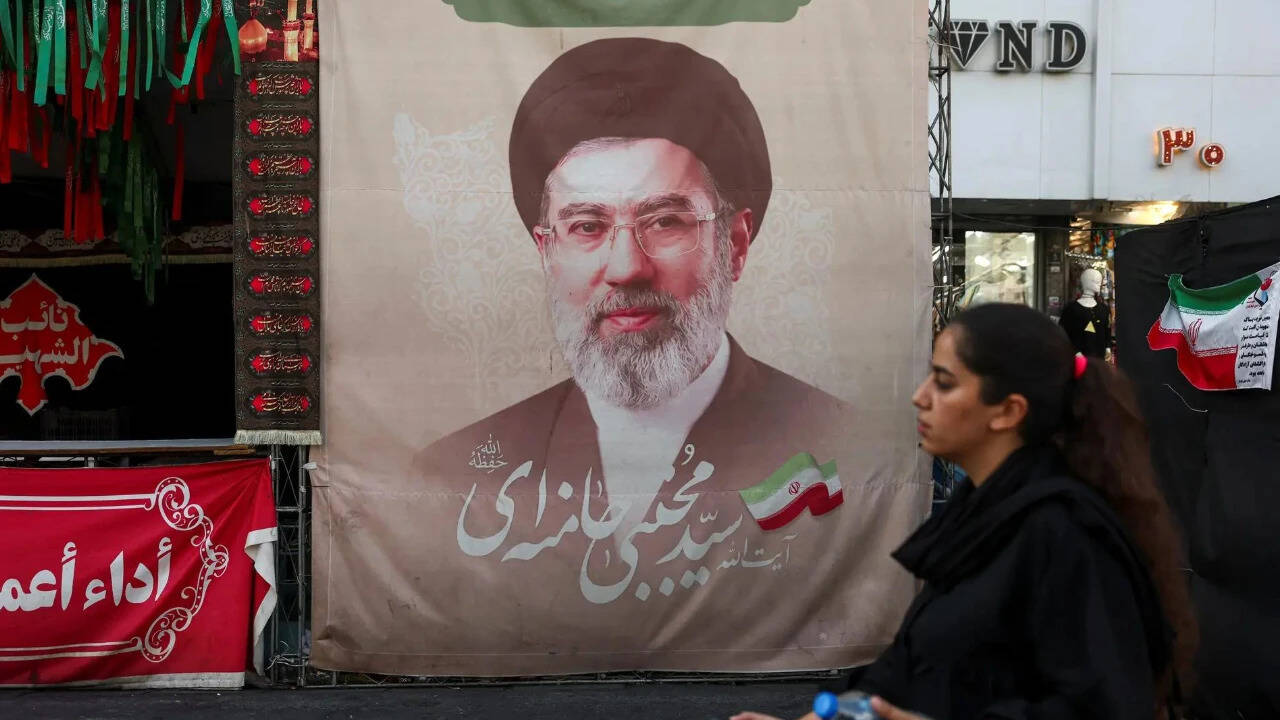
Ali Khamenei recently stepped forward with an unexpected message directed straight at Gulf rulers. He urged them to unite and defend one another against outside interference. The Supreme Leader of Iran framed this as a mutual protection pact for the region. Look past the diplomatic language. This call for solidarity masks a profound strategic vulnerability.
Tehran faces mounting internal pressures, heavy economic sanctions, and shifting alliances across the Middle East. The regime needs stability on its western flank. Calling on Gulf states to reject foreign influence is not an act of neighborly goodwill. It is a calculated bid to evict Western security guarantees from the Persian Gulf.
Diplomatic overtures from Iran to Saudi Arabia, the United Arab Emirates, and smaller Gulf monarchies have accelerated over recent years. Beijing brokered a surprise detente between Riyadh and Tehran. That agreement brought a temporary halt to years of proxy warfare in Yemen. Yet, deep-seated distrust remains.
Gulf capitals have spent decades building security architectures anchored by the United States. Riyadh and Abu Dhabi view their partnerships with Washington as essential deterrents against Iranian regional ambitions. Khamenei wants to dismantle that security umbrella. He argues that outsiders only bring division and chaos. History suggests a different reality.
The Anatomy of Regional Realignment
To understand why Tehran is suddenly pushing Gulf unity, look at the shifting map of deterrence. Israel and several Arab nations normalized relations under the Abraham Accords. That network created an alternative security axis that alarmed Iranian military planners. Tehran responded by opening channels to Riyadh, attempting to peel Arab states away from Western-backed containment strategies.
Saudi Arabia and the UAE are not naive participants in this diplomatic dance. Both countries operate on pure pragmatism. They want economic transformation, symbolized by Saudi Vision 2030 and Dubai's massive real estate and technology booms. Mega-projects require regional calm. Houthi drone strikes on oil facilities and commercial shipping disruptions cost billions. Riyadh and Abu Dhabi realized that total confrontation with Iran threatened their national development goals.
Engagement does not equal alignment. Gulf rulers accept diplomatic normalization to lower the immediate threat temperature. They refuse to hand over the keys to regional security to the Islamic Republic. When Khamenei speaks of unity without external interference, he means an exclusive club where Iran holds dominant influence.
Gulf intelligence services track every move made by the Islamic Revolutionary Guard Corps. They know that proxy networks across Iraq, Syria, Lebanon, and Yemen remain fully operational. Trust cannot be established simply through statements from Tehran.
Economic Leverage and Strategic Hedging
Economic pressure sits at the heart of Iran's diplomatic pivot. Years of harsh sanctions have devastated the Iranian rial and crippled state finances. Domestic protests expose widespread public fury over economic mismanagement and political repression.
The regime needs foreign investment and trade normalization to survive. Gulf economies possess immense capital reserves and sovereign wealth funds. If Iran can convince Gulf neighbors to normalize commerce and financial transactions, the sanctions regime loses its teeth.
Trade flows between the UAE and Iran have persisted for years through traditional merchant networks in Dubai. Formalizing and expanding this economic corridor provides a vital lifeline for Tehran. Gulf rulers understand this dynamic completely. They use trade as a carrot to incentivize better behavior from Tehran while maintaining strict defensive postures.
Washington watches these bilateral exchanges with intense scrutiny. American military bases remain anchored across Qatar, Bahrain, and the UAE. The Pentagon provides the ultimate security guarantee for international shipping lanes through the Strait of Hormuz.
Khamenei demands that Gulf states eject or distance themselves from these Western military assets. Doing so would instantly shift the balance of power in favor of Iran. No Gulf ruler is willing to take that catastrophic risk.
The Security Dilemma in the Gulf
A profound security dilemma defines the Persian Gulf today. Every move toward detente contains the seeds of future confrontation. When Saudi Arabia talks to Iran, it reassures its domestic population that peace is prioritized. It also keeps Washington on notice that Riyadh has diplomatic alternatives.
Iran faces a credibility deficit that no speech by the Supreme Leader can easily erase. Decades of exporting revolution and supporting armed militias created a permanent state of alarm among its Arab neighbors. Changing official rhetoric cannot erase the memory of ballistic missile attacks and cyber warfare directed at critical infrastructure.
Gulf states continue to diversify their security partnerships. They buy air defense systems from the United States, Europe, and Asia. They build intelligence-sharing networks with regional partners. They hedge their bets against an unpredictable future.
Khamenei wants a united front against outside powers. Gulf rulers prefer a balanced approach that keeps all doors open and all threats contained. Tehran remains the primary architect of the very instability it now pretends to solve. Real unity in the Gulf will only emerge when state sovereignty is respected universally, not weaponized for ideological dominance.

.jpg?width=1200&auto=webp&trim=0%2C100%2C0%2C100)