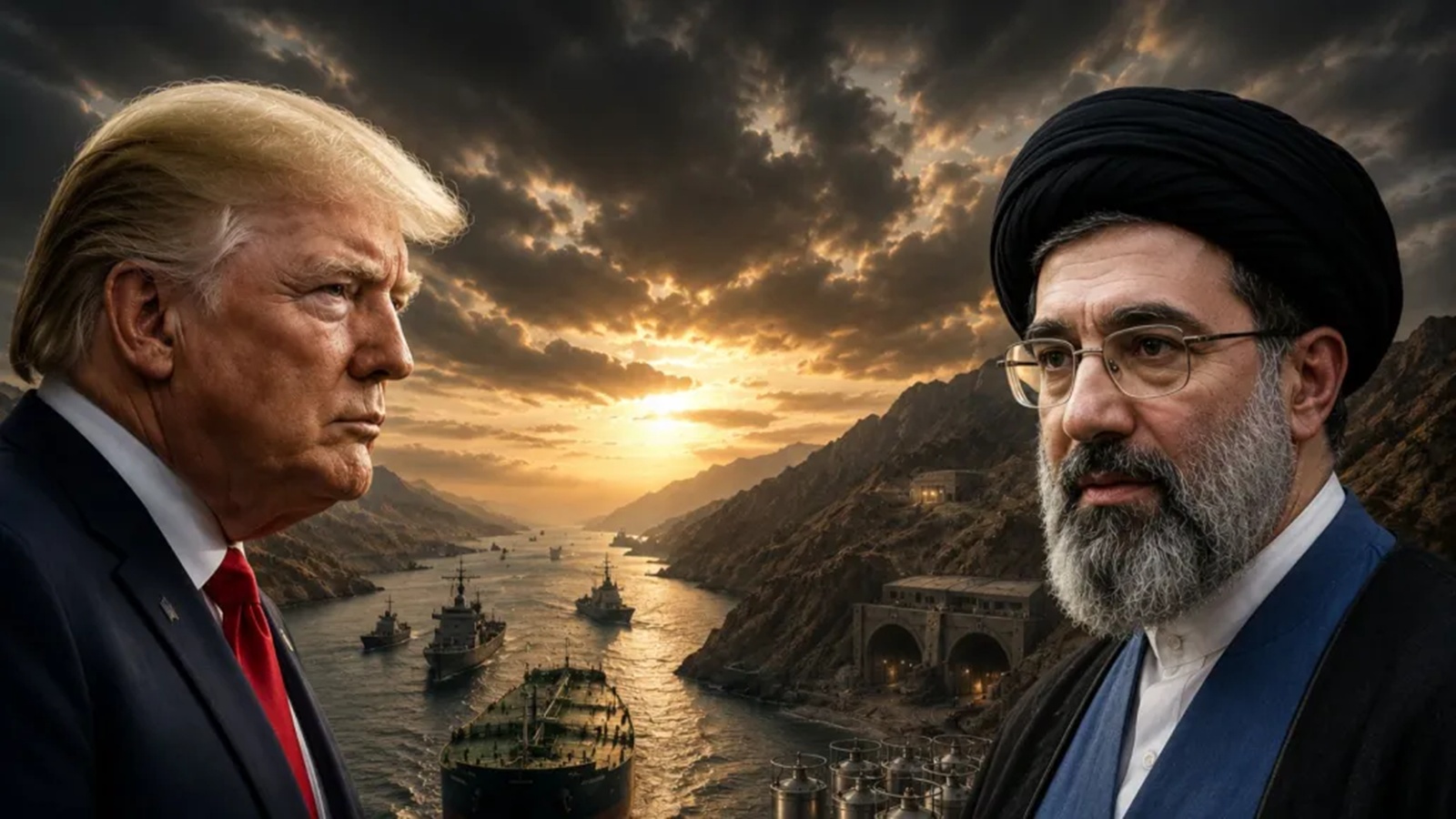
The internal calculation within Tehran has shifted from projection of regional strength to preservation of regime stability. Iran’s rulers find themselves trapped in a tightening vice of their own making, where the ambition to project power across the Middle East directly conflicts with the basic survival needs of an exhausted domestic population. While headlines often fixate on the exchange of fire between proxies and Western-aligned forces, the real battle for the future of the Islamic Republic is occurring inside the grocery store, the factory floor, and the central bank.
For decades, the state apparatus managed dissent through a combination of ideological fervor and the promise of economic stability. That contract is now null. Inflation figures consistently erode the purchasing power of the middle class, turning formerly loyal constituencies into quiet, simmering critics. The leadership is keenly aware that any further tightening of sanctions by the United States will not merely serve as a diplomatic annoyance. It acts as an accelerant for domestic turbulence that the security apparatus may struggle to contain if the cost of basic subsistence continues to climb. Meanwhile, you can find similar stories here: Why Belgium Burning is the Best Thing That Could Happen to European Forestry.
The Mirage of Economic Insulation
The state narrative suggests that the economy is resilient, capable of weathering external shocks through a web of illicit oil sales and regional trade bypasses. In practice, the economy resembles a house of cards built on the assumption of permanent crisis management. By prioritizing military expenditures and the funding of a sprawling regional network, Tehran has neglected the infrastructure of its own civilian life. The currency remains volatile, and the mechanisms for circumventing trade restrictions have become increasingly expensive, bleeding the state treasury dry.
Consider a hypothetical scenario where a major regional conflict forces a total blockade of specific maritime trade routes. While the state might claim its strategic depth protects it, the reality is that such an event would sever the fragile supply chains that keep essential goods moving into Iranian ports. The result would be rapid, uncontrolled price spikes for food and medicine. The state understands this vulnerability. It is why officials often display a surprising, if temporary, caution when the prospect of a direct, expanded confrontation emerges. They fear the reaction from a street that has little left to lose. To understand the complete picture, we recommend the detailed article by Reuters.
The Cost of Regional Ambition
Tehran maintains a profound, albeit expensive, network of proxies. This investment serves as a deterrent against external attack, but it operates as a heavy anchor on domestic development. Every dollar directed toward regional activities is a dollar absent from local industrial investment or social programs. This has created a bifurcated reality. Outside, Iran appears as a formidable regional actor. Inside, the country grapples with aging infrastructure and a brain drain of qualified professionals who see no viable future in a stagnant, highly regulated, and internationally isolated market.
The regime has attempted to balance this by intensifying its relationship with Eastern powers. This shift to the East is framed as a strategic realignment. However, it is largely a forced march dictated by necessity rather than preference. These partners are not charities. They demand deep discounts on energy exports and insist on transactional terms that limit Iran’s ability to generate significant capital. The state is trading its long-term resource wealth for short-term survival. It is a desperate trade-off, one that provides immediate cash flow but ensures long-term economic subordination to foreign interests.
Discontent Beyond The Surface
Protest movements in Iran are rarely unified or organized in a way that allows for easy dismissal. They operate like a slow-moving tectonic shift. The absence of mass demonstrations on a given day does not equate to the presence of support. Instead, it reflects a society focused on individual survival. When the state forces an increase in the price of fuel or staples, it inadvertently tests the boiling point of a populace already pushed to the edge.
The leadership knows that the security services can handle discrete outbursts of anger. What they cannot handle is a systemic, nationwide refusal to accept the status quo. The fear of unrest is not about a sudden uprising; it is about the gradual loss of control as the state fails to provide the basic functions of government. When citizens stop relying on the state for their economic well-being, the state loses its primary lever of influence. This disconnect is widening. Every new round of sanctions creates more friction within the administrative machine, making it harder for the government to manage the basic day-to-day operations of the country.
A System Running Out Of Options
The room for diplomatic maneuver has shrunk significantly. Traditional pathways for negotiations have been clogged by mutual suspicion and the hardening of positions on both sides of the Atlantic. For Tehran, the challenge is how to maintain its security posture without inviting the very economic catastrophe it desperately seeks to avoid. Washington, meanwhile, faces the difficulty of applying pressure that changes behavior without inadvertently triggering a regional collapse that would be difficult to manage.
The risk for the Islamic Republic is that it may eventually overplay its hand. By betting on the endurance of a population that is increasingly unwilling to sacrifice its future for the ideological goals of the ruling class, the regime is gambling with its own legitimacy. If the economic pain reaches a tipping point, the traditional tools of suppression—police presence, internet shutdowns, and rhetoric—may prove insufficient to restore order. The regime is not merely fighting against foreign sanctions; it is fighting against the reality of a modern, connected society that has grown tired of being told that its poverty is a necessary price for national pride.
The central bank is now less of an economic engine and more of a damage control operation. Its daily attempts to manage the value of the rial are constant reminders of the state’s inability to address the fundamental causes of the crisis. There is no simple fix here. The structure of the economy is so intertwined with the political priorities of the regime that real reform would require a dismantling of the very systems that keep the leadership in power. They are caught in a cycle where they must choose between losing their regional influence or losing their grip on the interior. The math is becoming increasingly unforgiving.