Nationalism is the ultimate distraction for a failing economy.
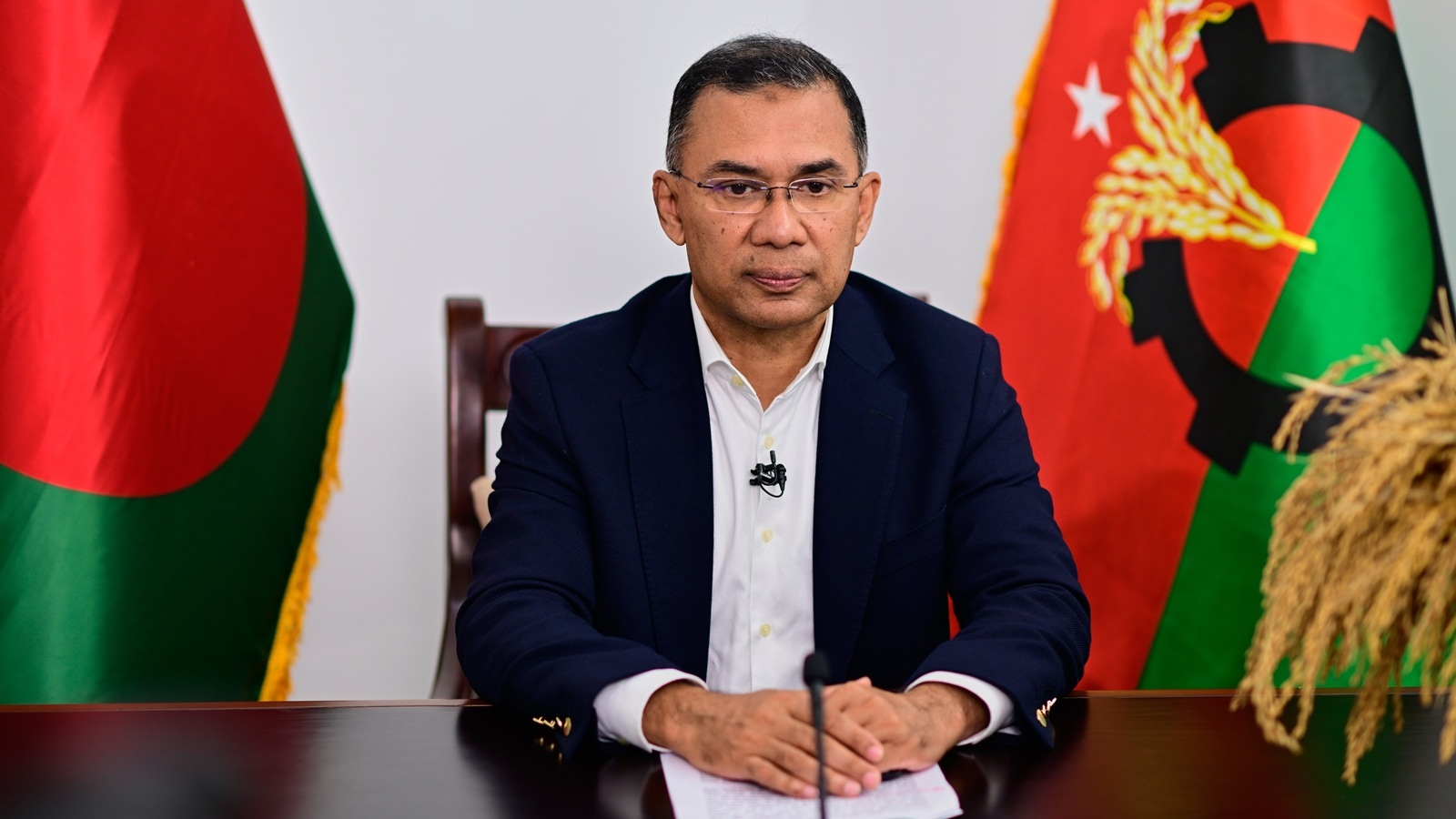
On Genocide Day, Prime Minister Tarique Rahman stood before the microphones to recount the horrors of March 25, 1971. He spoke of the "pre-planned massacre" by the Pakistani military, the blood-soaked streets of Dhaka, and the foundational trauma of the Bangladeshi state. The speech was pitch-perfect for a leader seeking to consolidate a legacy. It was also a masterclass in using historical grievance to mask current structural rot.
The competitor articles you’ve read will focus on the moral weight of the remembrance. They will quote the PM’s rhetoric about justice and sovereignty. They will tell you that honoring the three million martyrs is the primary duty of the state.
They are wrong.
The primary duty of the state is to ensure the people living today don't starve under the weight of 10% inflation and a crumbling energy grid. Memory is a luxury for a solvent nation. For a developing one, it is often a smokescreen.
The Myth of Unified Trauma
Political leaders in Dhaka have spent decades treating 1971 as a monolithic moral compass. If you support the current narrative, you are a patriot. If you question the timing or the utility of these proclamations, you are a traitor.
But history is not a static monument; it’s a political tool. By centering the national identity on a 55-year-old wound, the administration avoids answering why the country’s foreign exchange reserves have plummeted from $48 billion to less than $20 billion in just a few years. It’s easier to point at a ghost from Islamabad than to point at the systemic corruption in the banking sector.
I’ve spent years watching emerging markets use "Foundational Myths" to stall for time. From the post-Soviet states to Southeast Asia, the playbook is identical: when the currency wobbles, turn up the volume on the national anthem.
Rahman isn't just remembering the dead; he is signaling to the grassroots that the "enemy" is still external. This prevents the public from realizing that the most dangerous enemies are currently sitting in the air-conditioned offices of the Secretariat, mismanaging the garment industry's transition to high-value exports.
The Economic Cost of Grudge-Holding
Let’s talk about the nuance the mainstream media ignores: the opportunity cost of diplomatic stagnation.
Pakistan's actions in 1971 were objectively genocidal. There is no debate there for any serious historian. However, in the brutal reality of 2026 geopolitics, Bangladesh's refusal to move past the demand for a formal apology—while morally justified—is becoming an economic liability.
- Regional Trade Stagnation: South Asia is one of the least integrated regions in the world. Intra-regional trade accounts for less than 5% of total trade. Compare that to ASEAN, where it’s roughly 25%.
- The Energy Crisis: Bangladesh is desperate for diversified energy sources. While the world shifts toward regional power grids, Dhaka is trapped in a cycle of expensive LNG imports and a reliance on a few neighbors who hold all the cards.
- The China-India Seesaw: By keeping the 1971 wound open, Bangladesh remains predictably tethered to specific geopolitical alignments. A nation that cannot move past its history is a nation that cannot play its neighbors against each other for the best deal.
True sovereignty isn't just a flag and a border; it’s the ability to walk away from a bad deal. If your entire national identity is predicated on a specific historical grievance, you aren't sovereign—you're predictable. And in global trade, being predictable is the same as being broke.
Dismantling the Genocide Day Narrative
The "People Also Ask" sections of the internet want to know: "Why is Genocide Day important for Bangladesh?"
The honest, brutal answer? It’s a pressure valve.
It allows the populace to vent collective anger at a historical villain so they don't have enough energy to protest the fact that the minimum wage for a garment worker—the backbone of the entire $45 billion export industry—still barely covers a week’s worth of eggs and rice.
When Rahman speaks of the "pre-planned massacre," he is correct. The Operation Searchlight was a calculated effort to decapitate the Bengali intelligentsia. But we must ask: what is the current administration’s plan for the current massacre of the middle class?
We are seeing a brain drain that rivals the 1971 killings. The difference is that today’s intellectuals aren't being shot; they’re just buying one-way tickets to Toronto and London because they see no future in a patronage-based economy.
The Problem with Sentimentality in Statecraft
I have seen companies—and countries—collapse because they fell in love with their own origin story. They get so caught up in the "why we started" that they forget the "how we survive."
Bangladesh is currently in a middle-income trap. To get out, it needs to stop being the world's "feel-good" story of resilience and start being a cold-blooded economic predator. That means:
- Ending the Rent-Seeking: The political elite uses 1971 credentials like a credit card with no limit. "My grandfather fought in the war, so I get the bridge contract." This must stop.
- Radical Transparency: You cannot claim to honor the martyrs while the banking sector is being looted by "willful defaulters" who are protected by the very people giving the Genocide Day speeches.
- Educational Overhaul: The curriculum is obsessed with the past. It needs to be obsessed with the $600 billion semiconductor industry and AI integration.
The Counter-Intuitive Truth
The most patriotic thing Tarique Rahman could do on Genocide Day is not to give a speech. It is to sign a decree that removes the "freedom fighter quota" from government jobs and replaces it with pure meritocracy.
The quota system, originally designed to help the families of those who sacrificed everything, has devolved into a tool for nepotism. It creates a permanent class of "patriots" and a secondary class of everyone else. If you want to honor the victims of a "pre-planned massacre," stop massacring the aspirations of the youth who weren't born when the tanks rolled in.
The competitor's article will tell you that the PM's words "unite the nation."
I’m telling you they divide it. They divide the nation into those who live in the past and those who are trying to survive the present.
Stop Asking the Wrong Questions
People ask: "How can Pakistan atone for 1971?"
Wrong question.
Better question: "How can Bangladesh stop being defined by Pakistan’s failures?"
The obsession with an apology is a ghost-chasing exercise. Even if Islamabad offered a full, televised, tearful apology tomorrow, would it lower the price of beef in Dhaka? Would it fix the drainage systems that turn the capital into a lake every monsoon? Would it stop the garment orders from moving to Vietnam and Ethiopia?
No.
The apology is a psychic reward for a political class that has failed to provide material rewards.
The Battle Scars of Reality
I have worked in boardrooms where "legacy" was used as a shield against "performance." When a CEO starts talking about the founder's vision from forty years ago, it's usually because the quarterly earnings are a disaster.
The Rahman administration is doing exactly this on a national scale.
The "pre-planned massacre" of 1971 is a historical fact. The current "pre-planned stagnation" of the Bangladeshi economy is a choice. Every minute spent debating the nuances of 1971 is a minute not spent debating the logistics of the Deep Sea Port at Matarbari or the reform of the judicial system.
If Bangladesh wants to be a "Tiger," it needs to stop acting like a victim. Victims look backward to see who hurt them. Predators look forward to see what they can take.
The era of the "resilient victim" must end. The era of the "ruthless competitor" must begin.
Tarique Rahman has a choice. He can be the curator of a museum of sorrows, or he can be the architect of a functional state. He cannot be both. As long as Genocide Day is the centerpiece of the national calendar, the museum wins and the people lose.
The martyrs of 1971 didn't die so their descendants could have the "right" to complain about history. They died for a prosperous, independent state. Right now, the independence is there, but the prosperity is a facade built on cheap labor and foreign debt.
Stop honoring the dead with words. Honor them by making their country a place that people don't want to flee.
The next time a politician starts a sentence with "In 1971," interrupt them. Ask them about 2027. If they can't answer, they are just another ghost-hunter in a country that needs engineers.
Move on, or get left behind. It’s that simple.
The world doesn't care about your trauma. It only cares about your output.
Turn off the microphones. Turn on the power plants.
Would you like me to analyze the specific economic data of the Bangladesh garment sector's shift toward high-value manufacturing to see if it's actually meeting its 2027 targets?