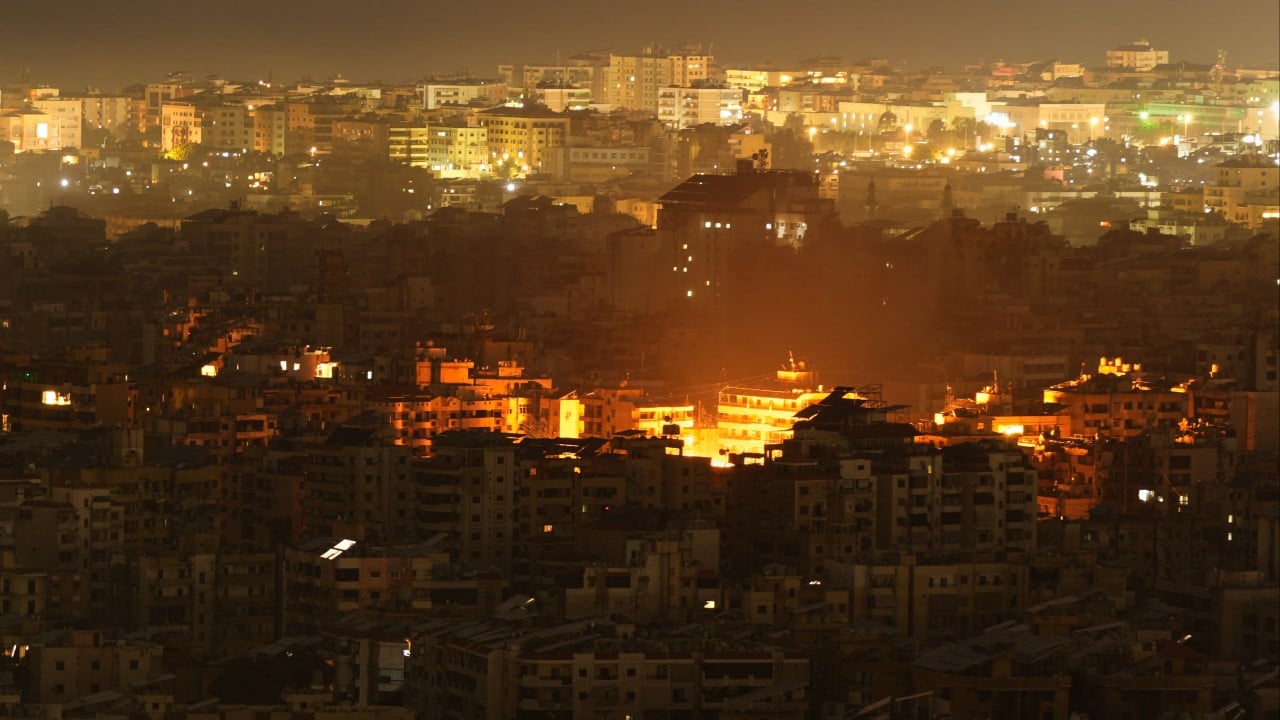
The media is obsessed with the "cinematic" nature of urban warfare. They see a building collapse in Dahiyeh or a grainy thermal video of a tunnel raid and call it a turning point. They focus on the capture of three or four mid-level Hezbollah operatives as if they just found the secret key to a vault. It is a fundamental misunderstanding of how asymmetric power functions.
Israel’s latest push into south Beirut and the tactical capture of field personnel is being framed as a dismantling of an apparatus. In reality, it is a high-cost exercise in lawn-mowing that ignores the biological nature of the insurgency they are fighting.
The Myth of the Decapitation Strike
Western military analysts love the "King" metaphor. They think if you take the King, the board clears. Hezbollah is not a monarchy; it is a rhizome.
When the IDF claims they’ve captured members or "neutralized" commanders, they are using a 20th-century metric for a 21st-century ideological conflict. In traditional state-on-state warfare, losing 20% of your command structure leads to a systemic collapse. In a decentralized, religiously motivated militia, that same loss creates a vacuum that is immediately filled by younger, more radicalized, and often more competent field officers who have been waiting for their turn to "martyr" themselves.
I’ve watched military budgets evaporate in the Levant for decades. The mistake is always the same: treating a social and political movement as a purely military target. You cannot "capture" the infrastructure of a group that views the physical world as secondary to the ideological one.
Tactical Success is a Trap
The current headlines focus on the "precision" of the strikes in south Beirut. But precision is a double-edged sword. Every "precise" strike that levels a residential block to kill one commander serves as the most effective recruitment ad in history.
Israel is winning the kinetic battle. They have better tech, better intel, and total air superiority. But they are losing the long-term security war. By pulling the fight into the dense urban corridors of Beirut, they are playing into a deliberate trap of attrition.
- The Intelligence Decay: Capturing operatives provides a short-term "intel high." You get codes, locations, and names. But within 48 hours, a sophisticated enemy changes the locks. The shelf life of information in this theater is shorter than a news cycle.
- The Resource Sink: Occupying or even just hovering over south Beirut requires a level of logistical strain that is unsustainable for a small nation-state with a citizen-army. You are trading billions of dollars in advanced munitions for "wins" that have no expiration date.
- The Global Optics Deficit: Each video of a captured fighter or a leveled apartment building erodes the diplomatic capital needed to actually settle a border.
Stop Asking if the Strikes Work
The "People Also Ask" section of the internet is currently flooded with variations of: "Is Hezbollah weakened?"
It’s the wrong question. Of course they are physically weakened in the moment. The real question is: "Is the threat diminished?"
The answer is a resounding no.
If you destroy a warehouse of short-range rockets, you haven't solved the problem; you've just forced the enemy to pivot to drone technology or improvised explosives that are harder to track and cheaper to produce. We saw this in Iraq. We saw it in Afghanistan. We are seeing it again.
The Intelligence Blind Spot
The competitor article mentions the capture of members as a sign of Hezbollah's vulnerability. That’s a shallow take.
In my experience dealing with security regionalism, a sudden increase in successful captures often indicates one of two things:
- Internal Purge: The group is intentionally leaking the location of "weak links" or rivals within their own organization to let the IDF do their HR work for them.
- The Canary Trap: They are letting low-level members get caught to feed the IDF "poisoned" intel—information that seems valuable but is designed to lead troops into ambushes or diplomatic quagmires.
The assumption that "we caught them, therefore we are winning" is the height of hubris.
The False Promise of Buffer Zones
The logic behind striking south Beirut is often tied to the idea of creating a "buffer." This is a relic of 1967 thinking. In an age of ballistic missiles and cyber warfare, there is no such thing as a physical buffer.
By pushing further into the heart of the capital, Israel isn't pushing the threat away; they are pulling the fire toward their own chest. They are trading the security of the Galilee for a permanent, high-intensity conflict in a city of two million people.
Moving Past the Kinetic Obsession
If you want to actually "win" in this theater, you stop counting bodies and start counting influences.
The status quo says: "Hit them until they stop."
The reality says: "Every hit makes them harder to stop next time."
The unconventional path—the one nobody in the war cabinet wants to hear—is that military dominance in Lebanon is a depreciating asset. The more you use it, the less it's worth.
Real security won't come from capturing three guys in a basement in Beirut. It will come from a systematic realization that you cannot kill your way out of a neighbor's civil and religious identity.
Stop cheering for the explosions. They aren't signs of victory; they are the sounds of a strategic engine seizing up.
Burn the map. The lines you’re fighting over don't exist to the people you're fighting.