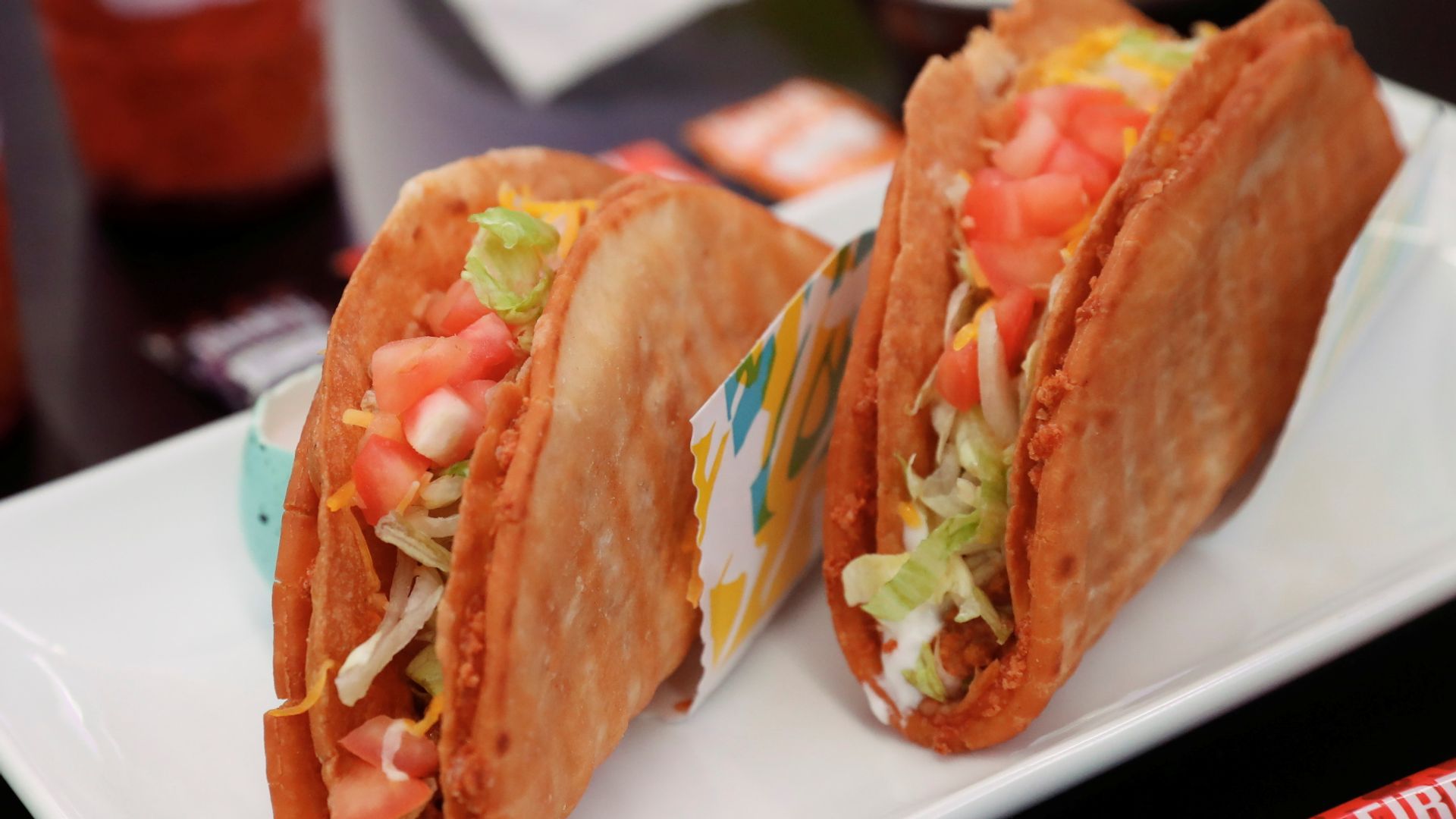
You sit down, grab a crunchwrap, and expect a quick, cheap meal. Instead, you end up with a stomach bug that hangs around for an entire month. That is the nightmare thousands of fast-food fans are facing right now across the country.
Federal investigators just dropped a massive update pointing to shredded iceberg lettuce served at Taco Bell as the primary culprit behind a massive outbreak of cyclosporiasis. We are not talking about a little 24-hour stomach bug here. This is a nasty, persistent parasitic infection that causes intense, watery diarrhea, severe cramping, and dramatic weight loss. If you enjoyed this post, you might want to check out: this related article.
If you have eaten at Taco Bell in the Midwest recently, you need to pay close attention to what is happening.
The Food and Drug Administration (FDA) and the Centers for Disease Control and Prevention (CDC) have traced the contaminated shredded iceberg lettuce back to Taylor Farms, a massive California-based agricultural supplier. The contamination has heavily hit locations in Indiana, Kentucky, Michigan, Ohio, and West Virginia. For another look on this development, see the recent coverage from WebMD.
How the Taco Bell Lettuce Outbreak Got This Bad
This isn't your standard salmonella or E. coli scare. This outbreak involves Cyclospora cayetanensis, a microscopic, single-celled parasite that can only be spread through human feces.
How does human waste get onto fresh lettuce?
Usually, it happens when irrigation water is contaminated with sewage or when field workers lack proper sanitation facilities. Once that dirty water hits the fields, the parasite clings to the crevices of leafy greens.
Washing the lettuce does not guarantee the bug is gone. It sticks.
The numbers are staggering. The CDC has officially confirmed over 1,644 cases with at least 141 hospitalizations nationwide. But those numbers do not tell the whole story.
In Michigan alone, state health officials have recorded over 4,300 cases. Why the massive gap between federal and state numbers? The federal system suffers from a brutal six-week reporting lag. The real number of people suffering is easily in the thousands. This is shaping up to be the largest cyclospora outbreak in US history.
What Is Cyclospora and What Does It Do to You
Most people hear "food poisoning" and think of a rough night of vomiting. Cyclospora is a completely different beast.
You ingest the parasite. Nothing happens. For about a week, you feel totally fine. Then, the symptoms hit like a freight train.
- Watery, explosive diarrhea that lasts for weeks
- Extreme fatigue that leaves you bedridden
- Severe bloating, gas, and stomach cramps
- Rapid weight loss because you simply cannot keep food down
Without treatment, these symptoms can wax and wane for a month or longer. Your body cannot easily flush this parasite out on its own.
Even worse, standard stool tests at your local clinic do not look for Cyclospora. If you go to the doctor, you have to specifically ask for a PCR test or a specialized parasite screen, or they will completely miss it.
The treatment is not a simple over-the-counter remedy either. You need a specific prescription antibiotic regimen, typically Bactrim (trimethoprim-sulfamethoxazole). If you have a sulfa allergy, treatment gets much more complicated.
Why Leafy Greens Are the Ultimate Hazard
Let's talk honestly about industrial agriculture.
Shredded iceberg lettuce is a massive logistical operation. Taylor Farms harvests lettuce from giant fields, washes it, shreds it, packages it, and ships it to thousands of restaurants and grocery stores across North America.
When a single batch of lettuce is contaminated, it gets mixed, processed, and distributed to hundreds of locations.
You cannot cook lettuce. You eat it raw.
With chicken or beef, cooking to a safe internal temperature kills off pathogens. With a raw piece of lettuce on your taco, you are completely at the mercy of the farm's water quality and safety standards.
Taco Bell acted quickly once the FDA stepped in. They voluntarily removed the potentially contaminated lettuce from their supply chains in the affected states. They replaced it with lettuce from different suppliers within 24 hours.
But for thousands of people, the damage was already done.
What to Do If You Ate There Recently
If you live in Indiana, Kentucky, Michigan, Ohio, or West Virginia and ate Taco Bell lettuce recently, do not panic, but be smart.
First, monitor your body. If you start experiencing persistent, watery diarrhea and profound exhaustion, do not try to tough it out with Pepto-Bismol. Go to a healthcare provider. Explicitly tell them you may have been exposed to Cyclospora.
Second, check your local restaurant. Some locations across the country, even outside the main five states, have pulled lettuce, cilantro, onions, pico de gallo, and guacamole as a precaution. If your favorite item tastes a bit different or lacks greens, that is why.
Third, stay hydrated. The biggest danger with prolonged diarrhea is severe dehydration, which is what usually lands people in the hospital. Drink electrolyte solutions, not just plain water.
This outbreak is a sharp reminder of how fragile our centralized food system really is. A single dirty irrigation canal in a field thousands of miles away can disrupt menus nationwide and make thousands of people incredibly sick. Stay vigilant, watch what you eat, and do not hesitate to see a doctor if your stomach starts acting up.