The silverware clinked against the porcelain plates, a familiar, grounding sound. Outside, the evening air smelled of damp pavement and autumn leaves. Inside, twenty-two people sat around a long oak table, passing bowls of roasted vegetables and talking over one another about work, rent, traffic, and the absurd cost of fresh basil.
Except they weren't entirely alone.
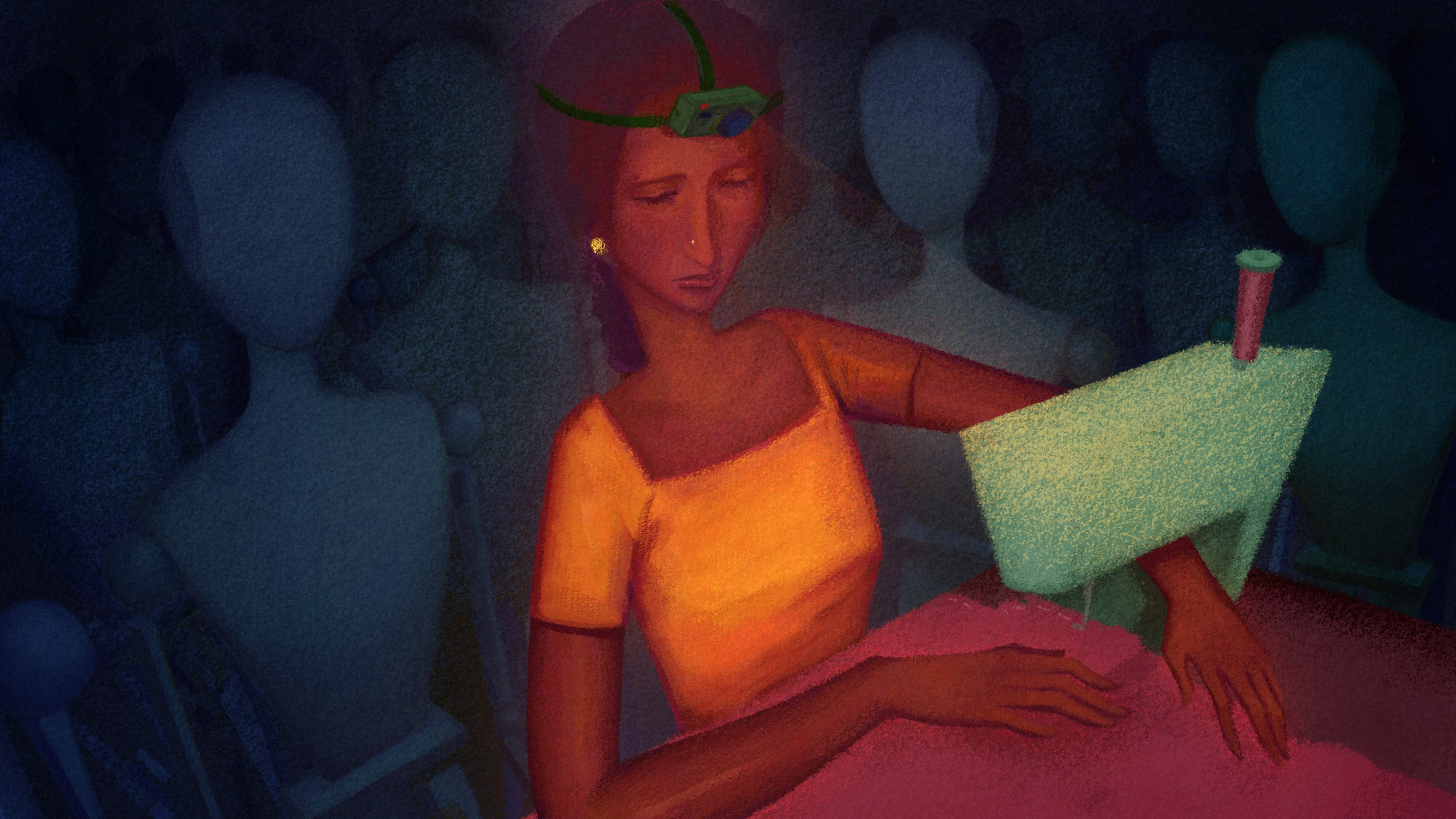
Tucked beside their water glasses, twenty-two artificial intelligence agents were quietly working.
They weren't physical robots. There were no metallic arms reaching for the bread basket or synthetic voices interrupting the laughter. Instead, these agents lived inside phones, laptops, and lightweight earpieces. Before the appetizers had even cooled, these digital doubles had already negotiated the evening's logistics. They had synchronized calendars across twenty-two different schedules, found a date that satisfied twenty-two conflicting work commitments, vetted dietary restrictions, and selected a restaurant that balanced everyone's radius of travel.
It felt like magic. It felt like convenience.
It was also the moment a quiet line was crossed.
Consider what happens next: We spend our lives complaining about friction. We hate the slow email chains. We despise the endless back-and-forth of finding a weekend to meet old friends. We curse the administrative drag of modern existence. So, we built machines to absorb the friction. We handed over our schedules, our preferences, and our micro-decisions to software proxies.
Logistics vanished. But something else vanished right along with it.
To understand why twenty-two people gathered while twenty-two algorithms did the heavy lifting, we have to look at how we got here. For decades, technology promised to bring us closer together. Video calls bridged oceans. Social media mapped our social graphs. We became hyper-connected, yet chronically exhausted. Every relationship began to feel like a project management task.
When everything requires coordination, coordination becomes a burden.
Enter the personal agent. The pitch is seductive: Let the machine handle the administrative friction so you can focus purely on the human connection. Let your proxy talk to their proxy. Save your energy for the actual conversation.
The dinner party was an experiment in this exact philosophy. Imagine, for a moment, sitting across from a friend while your phone quietly negotiates your next meetup behind the screen, cross-referencing your budget, your sleep schedule, and your partner's availability. It sounds efficient.
It is also deeply unnerving.
When you outsource the choreography of your social life, you outsource the compromises that make relationships real. The awkward phone call where you admit you are broke, the messy negotiation of finding a restaurant everyone can afford, the mutual give-and-take of figuring out whose neighborhood you will trek to—these are not administrative waste. They are the friction that forces us to acknowledge each other's lived realities.
Efficiency is the enemy of intimacy.
Think about the last time you planned something difficult with someone you love. The annoyance was real. The delay was frustrating. But in that delay, you learned something. You learned how much they cared about seeing you based on how hard they tried to make it work. You learned about their constraints, their stress, and their priorities.
When an algorithm handles the variables, those lessons disappear.
At that dinner party, the conversation flowed easily because the hardest part had already been solved by code. No one had to stress about where to go. No one had to apologize for being late because traffic was accurately predicted by predictive mapping models. The evening was smooth. Perfectly smooth.
And yet, halfway through the meal, a strange stillness settled over the room.
When machines optimize our lives, they tend to strip away the accidental magic of human error. We have all experienced the unplanned detour that leads to a hidden bakery, the disastrous miscommunication that turns into an inside joke, the scheduling blunder that results in an unexpected afternoon spent walking in the rain.
Agents hate errors. They hate inefficiency. They live to eliminate surprises.
By letting our digital doubles curate our interactions, we are slowly building a world of frictionless encounters. Every preference is cataloged. Every allergy is noted. Every schedule is perfectly aligned. We are moving toward a reality where nothing ever goes wrong, but nothing ever surprises us either.
We are engineering the spontaneity right out of our lives.
The twenty-two people at that table went home happy. Their event was a success by every measurable metric. Time was saved. Energy was conserved.
But the next time you find yourself staring at a screen, waiting for an algorithm to find a slot in your busy life so you can catch up with someone you love, pause. Close the app. Pick up the phone. Make it messy. Make it inconvenient.
Because the best parts of being human are the things the machine can never quite figure out how to schedule.