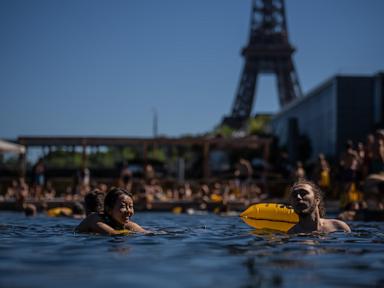
You can actually swim in the Seine right now without getting a massive fine or a terrible stomach bug. For over a century, dipping your toes into Paris's famous river was strictly against the law. Officers would write you up faster than you could say bonjour. That changed because the city finally delivered on its promise to open up designated, supervised swimming spots for the public. It is a massive shift for a city that spent decades turning its back on its own waterfront.
People want to know the basic logistics. Where are these spots? Is the water actually safe? Do you need to pay? You can access three specific, supervised zones this summer. They cost nothing. They have lifeguards, changing areas, and daily water testing to ensure you aren't swimming in raw sewage.
Getting to this point took billions of euros, an entire Olympic infrastructure overhaul, and a lot of political reputation on the line. It is a real lifestyle upgrade for locals and travelers who are tired of baking on hot Parisian pavement during the July heatwaves.
The Three Swimming Spots You Can Visit Right Now
Paris did not just open the entire river for free-for-all swimming. That would be chaotic and incredibly dangerous given the heavy commercial barge traffic. Instead, the city engineered three specific zones protected from the main current and boat lanes.
Bras de la Grenouillère
This spot sits right near the Eiffel Tower on the left bank. It offers the classic postcard view while you tread water. The city installed floating barriers to keep the swimming zone separate from the active waterway. It gets incredibly busy by mid-afternoon. If you want to swim with a direct view of the Iron Lady, get there before noon.
Bras de Marie
Located in the heart of the historic center, this zone sits near the Île Saint-Louis. It feels completely different from the Eiffel Tower location. The stone walls of the quays rise up around you, offering a bit of shade during the hottest parts of the day. It has a localized, neighborhood feel despite being right in the middle of Paris.
Bercy
Down in the eastern part of the city, the Bercy spot caters heavily to locals. It sits near the Parc de Bercy and offers a wider expanse of water. If you want to avoid the heaviest tourist crowds, this is your best option. The crowd here is mostly Parisians cooling off after work.
The Reality of Water Quality and Safety
Everyone asks the exact same question before jumping in. Is the water dirty? The short answer is that it depends entirely on the weather.
Paris built a massive underground water storage tank near the Austerlitz train station. This tank holds millions of gallons of rainwater and wastewater during heavy storms. Before this tank existed, a big rainstorm would overwhelm the old sewer system, forcing the city to dump untreated wastewater straight into the Seine. Now, the tank catches that overflow, holds it, and sends it to treatment plants instead.
Local health officials test the water quality every single morning. They check for two specific types of bacteria: E. coli and enterococci. If a sudden summer downpour overloads the system and bacterial counts spike, lifeguards close the swimming zones immediately.
Look at the flags before you change into your swimsuit. A green flag means you are good to go. A red flag means swimming is canceled for the day. Do not try to sneak in if the red flag is up. The currents can change, and the bacterial levels are not worth the risk.
What You Need to Know Before You Go
Swimming in the Seine is not like swimming at a beach resort. The city operates these spots with strict rules to keep everyone safe and organized.
You do not need a ticket, and you do not need to reserve a spot online weeks in advance. Access is entirely first-come, first-served. Because safety personnel limit the number of people allowed in the water at one time, you might have to wait in a queue on hot days.
The setups include basic changing cabins, freshwater showers for rinsing off after your swim, and toilets. Do not expect luxury locker rooms. Bring a small bag for your belongings, and keep an eye on your valuables. Leaving an expensive phone sitting exposed on the dock while you swim is a bad idea.
Lifeguards watch the water during official opening hours, which typically run from early afternoon until evening. Outside of these hours, the gates are locked, and jumping in is illegal.
A Century of Waiting
Paris banned swimming in the Seine in 1923. The river had become a toxic mix of industrial runoff, untreated sewage, and dangerous currents. For decades, the idea of swimming in the center of Paris was a joke. Politicians promised to clean it up for generations, but the project kept getting pushed aside because of the sheer cost and complexity.
The city used the momentum of global sports infrastructure to finally force the cleanup through. It required fixing thousands of misconnected pipes in private homes upstream that were dumping wastewater directly into the river tributaries. It required upgrading municipal treatment facilities across the region.
The result is a return to a historic summer ritual. In the early twentieth century, floating pools and river swimming were central to Parisian summer life. These three new spots represent a return to that old tradition, adapted for modern safety standards.
Pack your towel, head down to the quays early, and check the daily water report on the official city website. If the green flag is flying, jump in. It is one of the most memorable things you can do in Paris this summer, and it will not cost you a single euro.