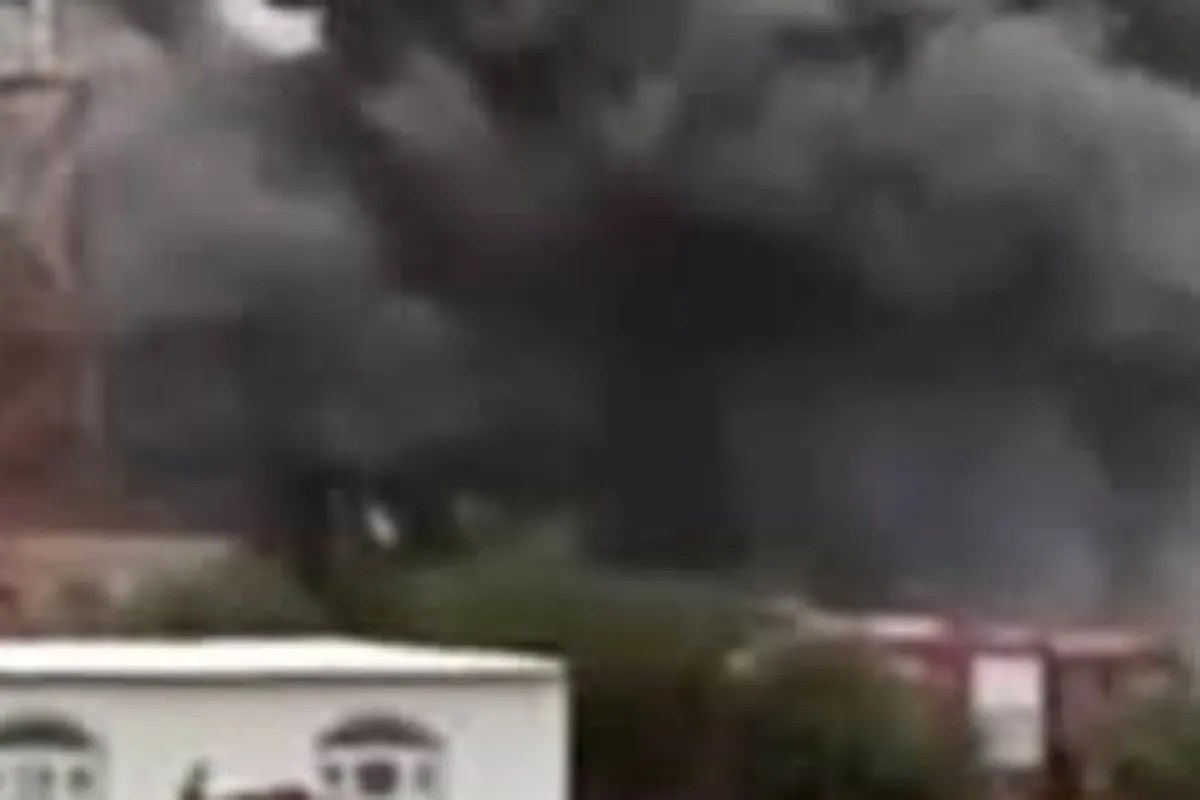
When an ATR-42 maritime patrol aircraft belonging to the Nigerian Air Force went down in the dense, treacherous swamplands of Ondo State, killing all 32 souls on board, it did not merely mark another dark entry in a long ledger of state aviation tragedies. It exposed the grim reality of an operational apparatus stretched past its breaking point. Traveling a routine corridor from Benin City to Lagos, the aircraft vanished from radar screens before plunging into the muddy expanse near Igbokoda. Twenty-five passengers and seven crew members perished in a landscape so unforgiving that recovery efforts immediately turned into a grueling exercise in logistical nightmare.
Official statements from Abuja have offered the mandatory expressions of national grief, declaring periods of mourning and promising thorough investigations. Yet, for aviation analysts who have spent decades tracking the structural vulnerabilities of West African military and civil fleets, sorrow is no longer an adequate substitute for accountability. The fundamental questions remain stubbornly unaddressed. Why are aging turboprops operating under heavy personnel loads across high-risk flight corridors without fail-safe tracking margins? And when will the systemic maintenance deficits plaguing regional air arms receive the radical overhaul they demand?
The ATR-42 platform is a capable workhorse under optimal conditions. Designed for regional transport and maritime surveillance, it relies heavily on precise avionics and rigorous maintenance cycles. Operating such aircraft in tropical environments characterized by severe seasonal squalls, high humidity, and corrosive coastal air places an extraordinary burden on airframes and engines. When maintenance regimes are compromised by budget constraints, bureaucratic inertia, or supply chain bottlenecks for replacement parts, mechanical reliability degrades rapidly.
Eyewitness accounts from the fringe of the Ondo swamp described a thunderous rupture in the morning sky, a sharp banking motion to clear local canopy, and then the sickening silence that follows an impact into deep mud and water. The physical geography of the crash site turned a mechanical failure or navigational error into an unsurvivable catastrophe. Sinking rapidly into the mire, the wreckage defied standard rapid-response protocols. Navy personnel and local divers had to navigate toxic muck and dense reeds just to locate the primary fuselage. This highlights a persistent vulnerability in regional search-and-rescue infrastructure. Specialized amphibious extraction units are still far too scarce along the densely traveled southern coastline.
Beyond the immediate mechanics of the disaster lies a broader institutional crisis. The Nigerian Air Force has shouldered an immense burden over the past decade, operating an intense operational tempo across multiple security theaters. Transport aircraft and utility platforms are constantly cycled through personnel movements, logistical supply runs, and reconnaissance flights. This relentless demand creates a dangerous culture of deferred maintenance. Ground crews are often pressured to clear aircraft for flight despite marginal discrepancies, trusting luck rather than strict preventative protocols to complete missions.
Safety culture in military aviation cannot survive on institutional optimism. Every flight profile requires redundant safety margins, particularly when moving non-combatant passengers alongside military personnel. The presence of twenty-five passengers on a routine patrol or transport flight underscores the dual-use nature of these missions in a resource-constrained environment. When civil transport infrastructure is unreliable or insecure, military assets become the default taxi service for officials, officers, and auxiliary personnel. This mixing of roles introduces civilian transit loads onto tactical platforms that may not receive the identical oversight standards mandated for commercial carriers.
The aftermath of the Ondo tragedy will follow a familiar script if independent oversight fails to intervene. Committees will convene, black boxes will be analyzed abroad if local decoding facilities prove inadequate, and preliminary findings will point toward a complex interplay of environmental factors and mechanical anomalies. But findings without structural remediation are merely a prelude to the next accident. The defense ministry faces a stark choice. It can continue treating these disasters as isolated anomalies born of unfortunate circumstance, or it can institute a transparent, independent air safety bureau with the legal authority to ground suspect fleets without interference from military command structures.
Until structural reforms replace political rhetoric, the swamps of the Niger Delta and the savannahs of the north will remain unintended monuments to systemic neglect. The thirty-two lives lost in the Igbokoda marsh deserved an airworthiness standard that treated safety as an absolute rather than a negotiable expense.
Nigerian Military Aircraft Crashes, Kills 32; No Survivors Reported
This short video clip provides a concise news report detailing the tragic crash of the Nigerian military aircraft in Ondo State and the subsequent rescue efforts at the swamp site.