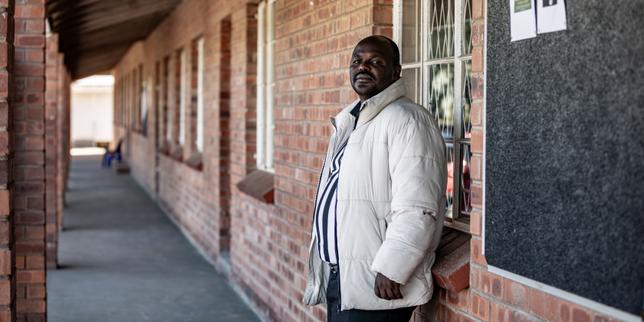
The hospital room felt entirely too small the afternoon the scan results arrived. Hearing that a disease has spread to stage 4 changes the physics of the air in the room, making it heavy, sharp, and difficult to breathe. You aren't just a patient anymore. You're a statistic standing on a very narrow ledge, looking down at odds that rarely offer comfort.
When you make it out alive while countless others with the exact same diagnosis didn't, survival feels less like a victory and more like an unearned lottery win. Survivors of advanced illness carry a strange psychological weight. You look at medical charts, survival curves, and empty hospital beds, and you wonder why your name stayed on the active side of the ledger. For a deeper dive into similar topics, we suggest: this related article.
The Brutal Reality of Advanced Prognoses
Most medical literature wraps stage 4 diagnoses in cold percentages. A five-year survival rate often hovers below ten percent for aggressive cancers like advanced bone or metastatic melanoma. Those numbers are not abstract data points. They represent real people who sat in those exact same plastic chairs, swallowed the same toxic chemical cocktails, and prayed for breakthroughs that arrived too late.
When conventional treatments fail to halt the progression, patients face a grim fork in the road. You either accept palliative comfort or you gamble on experimental trials, aggressive off-label combinations, and sheer stubbornness. I learned quickly that oncologists are brilliant, but they are also dealing with probabilities, not certainties. Medicine has limits. When those limits are reached, you find yourself mapping out a path in total darkness. To get more details on this topic, in-depth coverage is available on Everyday Health.
Separating Luck From Action
People love to talk about miracles and luck. Friends and family look at someone who beat advanced cancer and whisper about divine intervention or winning genetic lottery tickets. Luck certainly matters. Having access to top-tier oncologists at major research hospitals, financial stability to handle out-of-pocket costs, and a support system that keeps you from drowning in daily chores are massive privileges.
Yet, reducing survival down to pure luck strips away the grueling work required to stay alive. Surviving stage 4 cancer requires a relentless, exhausting active defense.
- Becoming your own researcher: You have to read clinical studies until your eyes burn, translating dense medical jargon while exhausted from chemotherapy.
- Challenging the standard narrative: Sometimes refusing a failing clinical trial or pushing for a second opinion is the only way to avoid therapies that destroy your remaining quality of life.
- Managing the mental wreckage: Taming the terror of every three-month scan requires psychological endurance that rivals the physical toll of surgery.
Earning your health back means transforming your relationship with fear. You shift from hoping treatment might work to demanding accountability from your care team, tracking your own vitals, and refusing to let statistics dictate your expiration date.
The Medical Shifts Changing the Odds
It is impossible to talk about modern survival rates without acknowledging how fast the science is actually moving. Immunotherapy, targeted therapies, and precision medicine have rewritten what is possible for late-stage patients. Drugs that train your own immune system to hunt down rogue cells have turned hopeless cases into manageable, chronic conditions—or complete remissions.
Ten or twenty years ago, a stage 4 diagnosis was almost always an immediate death sentence. Today, clinical breakthroughs mean that outliers are becoming more common. Medical science is finally catching up to the desperate need for better options. Even so, the gap between getting a modern drug and actually surviving remains dependent on early advocacy, swift intervention, and getting to the right hospital network before options run out.
Life on the Other Side of Remission
Beating the odds doesn't mean life snaps back to normal. That is the great misconception people outside the medical nightmare don't understand. Remission comes with its own psychological hangover. Every minor ache, headache, or fatigue spike sends your brain straight back to that cold consultation room.
You deal with survivor's guilt daily. You think of the friends you made in infusion centers—people who were just as brave, just as hopeful, and infinitely kind—who didn't get to ring the bell. Carrying their memory means you live differently. You stop tolerating trivial nonsense. You prioritize what actually matters because you know precisely how thin the veil is between everyday life and total collapse.
If you are currently sitting in the shadow of a devastating diagnosis, or walking beside someone who is, throw out the rigid timelines. Do not let anyone tell you what your outcome has to be. Ask brutal questions, demand clear answers from your doctors, and fight for every single inch of ground you can claim. Survival is messy, rare, and heavy, but it is entirely worth the fight.