Television airwaves are about to get a whole lot cheaper for Republican campaign committees. The Supreme Court just handed the GOP a massive legal victory, halting a lower court decision that threatened to upend broadcast spending right before the midterm elections. If you've been wondering how millions of dollars in political advertising will stretch further this fall, this ruling is the exact reason why.
The core dispute boils down to a simple question of discounts. Under federal law, television and radio broadcasters must give individual candidates their "lowest unit charge" rates during the frantic weeks leading up to an election. It is a steep discount designed to keep media access open. But earlier this year, the Federal Communications Commission issued guidance extending those exact same cut-rate prices to political party committees and joint fundraising operations.
Democrats pushed back hard. A group of Democratic congressional candidates challenged the FCC stance, winning a brief victory when the Fourth Circuit Court of Appeals struck down the guidance. The appellate court argued that the statutory text applies strictly to individual candidates, not broader party machines.
The High Stakes of Broadcast Discounts
That appellate win didn't last long. National Republican campaign arms scrambled to file an emergency appeal, warning the justices that local broadcasters were already ripping up existing contracts and demanding higher prices. They argued that forcing committees to pay standard commercial rates would severely muzzle their political speech during the most critical stretch of the campaign cycle.
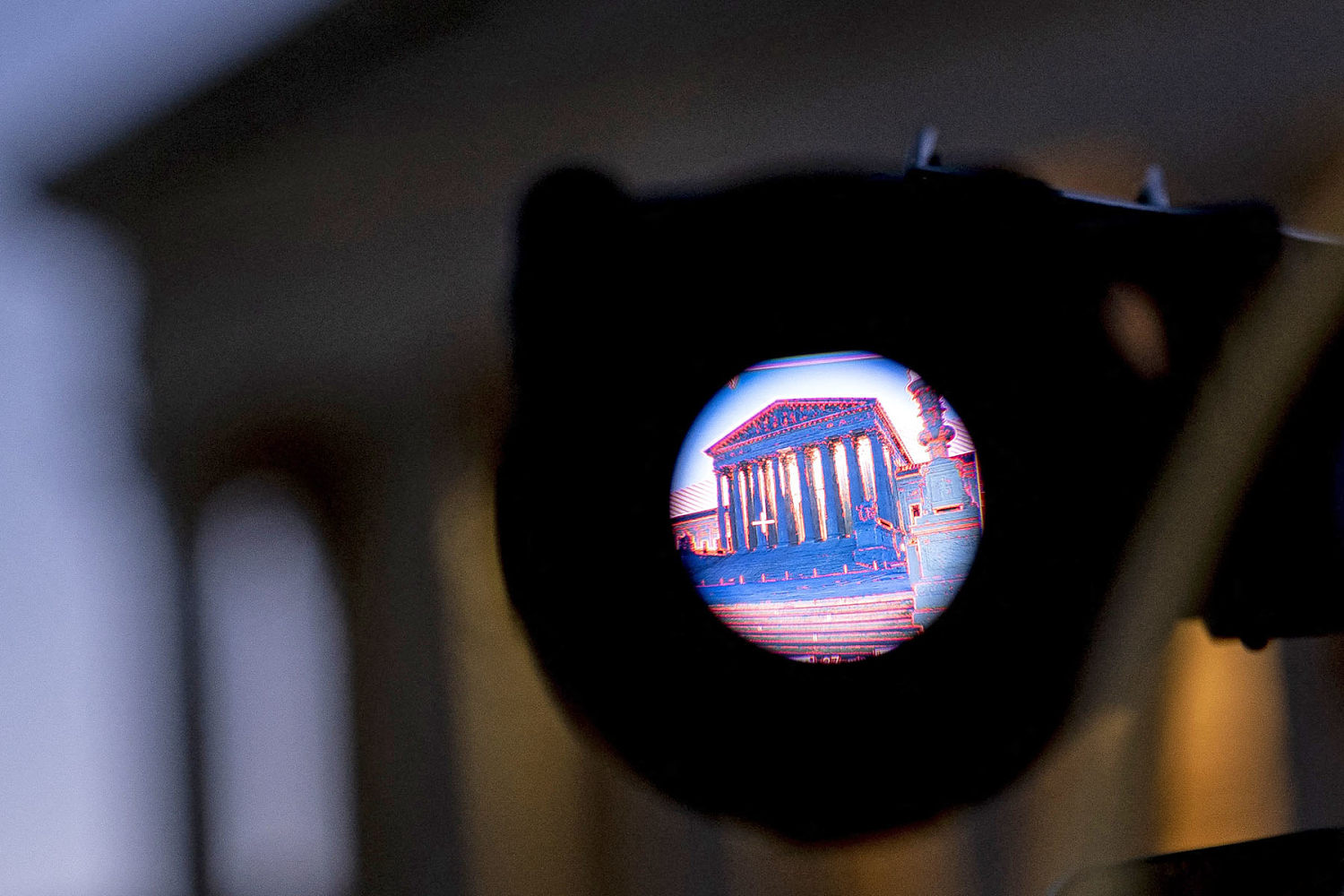
The Supreme Court agreed. In an 8-1 decision, the justices issued a stay blocking the lower court ruling. The court noted that denying these rates would inflict irreparable harm on the committees' ability to reach voters.
You have to look at the broader financial ecosystem to understand why this matters. Republican national groups have built substantial war chests. Allowing them to buy ad inventory at the lowest unit charge means their dollars go significantly further. They can flood battleground TV markets with a higher volume of commercials.
The Partisan Battle Over Airtime
Critics argue this opens the floodgates for big money. Campaign managers for Democratic candidates blasted the decision, claiming it hands an unfair subsidy to well-funded political apparatuses and dilutes the voices of everyday citizens. They maintain that Congress never intended for party committees to piggyback on candidate-specific discounts written into the Communications Act.
Yet the legal reality is stark. This intervention follows closely on the heels of other rulings relaxing coordination limits between candidates and national parties. The guardrails keeping outside groups and official party structures separate continue to erode. Broadcasters must now honor the discounted pricing structure, injecting tens of millions of dollars worth of fresh purchasing power directly into the media markets that will decide control of Congress.
Expect commercial breaks in swing states to feature an even heavier rotation of party-backed spots. Campaigns now have certainty as they finalize their final ad buys, leaving their opponents scrambling to counter a wave of cheaper, high-volume television messaging.