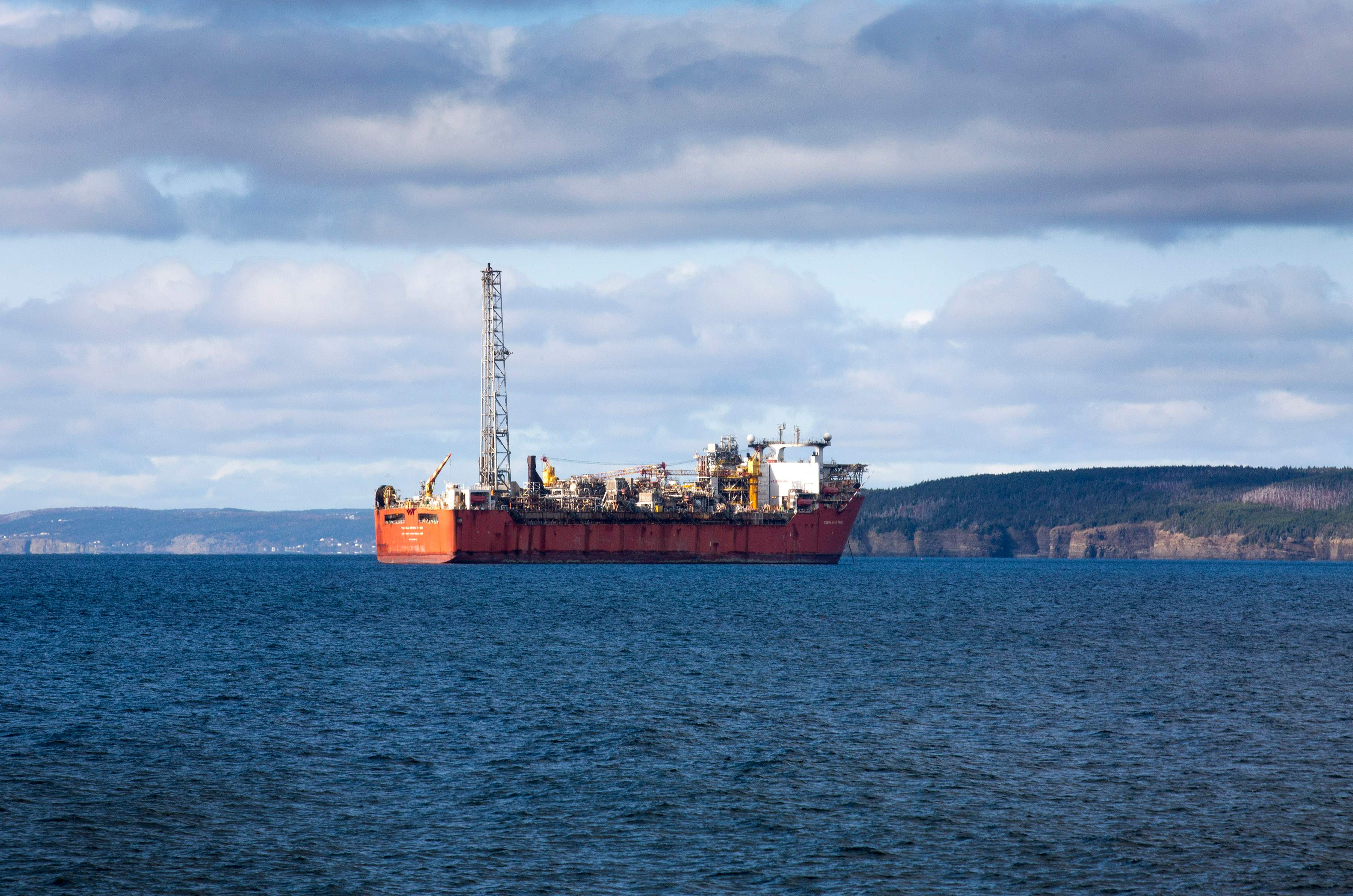
The headlines wept for Newfoundland and Labrador. Suncor Energy packed up its offshore ambitions, unloaded its stake in projects like Terra Nova and Hibernia, and doubled down on the Alberta oilsands. The conventional narrative writes this off as a retreat from high-risk waters, a tidy little corporate pivot back to the safety of Fort McMurray muck.
That interpretation is lazy, surface-level thinking.
I have watched boardroom executives panic over ESG scorecards and balance sheet optics while missing the structural cash flow reality right in front of them. Suncor did not run away from the Atlantic because offshore oil is dead. They ran away because capital allocation math changed, and maintaining legacy floating production assets in a high-inflation, high-interest rate environment is an anchor on return on capital employed.
Let us look past the mainstream weeping. The real story is not about Suncor retreating from the ocean. It is about a brutal, pragmatic reallocation of capital that exposes how legacy energy players are actually planning for the next decade.
The Margin Trap of Megaprojects
For years, analysts treated offshore Atlantic Canada as a frontier of boundless upside. They pointed to the massive reservoirs sitting off the Grand Banks and assumed size equaled enduring profitability.
That assumption ignores operational reality.
I have seen companies sink hundreds of millions into megaprojects only to watch cost overruns eat every dollar of projected margin before a single barrel reaches a tanker. Offshore developments are capital-intensive, schedule-vulnerable beasts. When you operate a floating production, storage, and offloading vessel thousands of miles from major manufacturing hubs, supply chain friction is not an occasional headache. It is your permanent baseline.
Suncor’s exit from the Newfoundland offshore was not an emotional rejection of marine drilling. It was a cold calculation of capital efficiency. Alberta oilsands assets, particularly in-situ operations like SAGD, offer predictable, long-duration cash flows with lower sustaining capital intensity once the initial plant is built. Suncor needed to unclog its balance sheet, slash debt, and focus fire on assets where it holds absolute operational dominance.
When a major player dumps an asset, the amateur crowd assumes the asset is worthless. The professional crowd looks at who is buying and asks what kind of balance sheet can stomach the cash-call profile.
The Alberta Concentration Delusion
Of course, the counter-narrative from the traditionalists is equally flawed. The moment Suncor bulmed up its Alberta holdings, the choir started singing hymns about the unassailable supremacy of the oilsands.
That is the other trap. Concentrating exclusively on inland thermal deposits while ignoring global supply dynamics is how you get caught flat-footed by structural carbon pricing and pipeline bottlenecks.
Oilsands operators face a very specific set of constraints. Emissions intensity targets, water management mandates, and pipeline capacity ceilings mean growth is no longer about raw volume expansion. It is about margin defense. Every dollar Suncor poured into consolidating its position in Alberta had to clear a hurdle rate that accounts for tightening environmental regulations and carbon capture investments.
When you buy out a partner or bulk up an existing lease position in the oilsands, you are betting that you can squeeze out structural cost reductions faster than regulatory compliance costs can inflate. Suncor is betting its operational footprint can achieve economies of scale that smaller players cannot touch.
If you think this means fossil fuels are entering a golden age of unbridled expansion, you are not paying attention to the cash return profile shareholders demand today. The era of growth-at-all-costs is dead. The era of cash-cow harvesting has taken its place.
The Capital Allocation Shift Nobody Wants to Admit
Let us address the elephant in the room: energy transition pressure.
Every major energy producer is walking a tightrope. Institutional investors demand aggressive decarbonization pathways while simultaneously screaming for massive share buybacks and dividend hikes. You cannot fund a multi-billion-dollar green hydrogen or carbon capture project while aggressively returning cash to shareholders unless your core operations are printing cash with terrifying efficiency.
Suncor’s pivot tells you exactly how management views the medium-term commodity cycle. They are prioritizing cash generation over reserve replacement.
Offshore assets require constant, lumpy, multi-hundred-million-dollar capital injections to keep production flat or growing. Alberta in-situ assets, once producing, allow for steadier, more predictable cash generation with more discretionary control over maintenance capital. If oil prices dip, an operator can dial back sustaining capital on SAGD projects much faster than they can abandon a multi-partner offshore drilling campaign mid-stream.
This is the nuance the daily financial press completely misses. Suncor did not sell its N.L. assets because they doubted the oil was there. They sold them because the capital velocity was too slow. In a world where capital commands a real price and shareholders have zero patience for long-duration paybacks, liquidity and cash velocity win every single time.
What the Market Gets Wrong About Asset Sales
When an operator exits a region, the reflexive cry is that the region is uninvestable. That is nonsense.
It simply means the asset's risk-reward profile no longer matches the seller's internal corporate strategy. For every seller looking to streamline, there is a specialized operator or a private equity-backed vehicle with a different cost of capital and a higher tolerance for operational complexity.
Look at who picks up the slack when the majors retreat. Smaller, nimble independents often step in and unlock value that was trapped inside the bureaucratic paralysis of a global supermajor.
The retreat from the Atlantic offshore is not the death knell of the Grand Banks. It is a cleansing mechanism. It transfers assets from hands encumbered by global diversification strategies into hands focused entirely on regional optimization.
The Bottom Line on Energy Strategy
If you are trying to read the tea leaves on where Canadian energy is heading, stop looking at environmental rhetoric and start looking at free cash flow per share.
Suncor’s maneuver proves that corporate strategy has become ruthlessly minimalist. If an asset cannot generate immediate, high-margin cash flow with minimal administrative friction, it gets chopped. Sentiment does not balance a balance sheet.
The companies that survive the next decade will not be the ones with the biggest reserves or the greenest PR campaigns. They will be the ones that allocate capital with the cold, unfeeling precision of an algorithmic trader.
Suncor made its bet. The only question left is whether you are still trading on yesterday's assumptions.


