No ocean.
Not a single salt-bleached dock, not a gull wheeling over gray Atlantic swells, not a tide table written in kelp and brine. Yet in the middle of November, with the crisp, metallic tang of autumn hanging over the Midwest and midterm ballots either freshly cast or hanging by a thread in the final stretch of a grueling campaign season, Donald Trump put a submarine repair center on the map in Ohio.
Steel.
That was the word that seemed to echo through every rally speech, every campaign stop, every breathless broadcast clip. A landlocked state, famous for rolling soybean fields, glass factories that closed twenty years ago, and machinists who know how to read a caliper in the dark without looking at the dial, suddenly tied to the quietest, deadliest machines in the American arsenal.
I know what it feels like to stand in a cold Midwestern shop in November and hear promises about bringing heavy industry back. I grew up around people whose knuckles were permanently mapped with dark grease and tiny silver scars from sheet metal and lathes. You learn early in towns like that how to listen to a speech with one ear on the applause and the other ear on the rafters, wondering whether the roof will actually stay on once the cameras pack up their cables and head for the airport.
When a politician floats a submarine repair center for Ohio during a midterm push, it sounds almost absurd on first hearing. Submarines belong to Groton, to Norfolk, to Pearl Harbor, to San Diego. They belong where deep water meets heavy cranes and salt air eats through paint in a single winter. Putting that kind of work in Ohio requires a mental leap—and a heavy dose of skepticism.
Let’s be honest right here. A pledge made on the campaign trail is not a poured concrete foundation. It is not a signed contract with the Navy, not a cleared environmental review, not a crane bolted to bedrock. And there is a real, nagging uncertainty in the air whenever big industrial promises collide with election calendars. Could a repair hub in Ohio actually happen, or is it a shiny piece of rhetoric meant to turn out swing voters when every precinct counts?
To answer that fairly, we have to look past the theater and trace the steel, the bottlenecks, and the human lives sitting right in the middle of the argument.
Why Deep Water Needs Heartland Hands
Picture a hypothetical machinist—let’s call him Dale Kowalski, a fictional name for a very real archetype in northern Ohio—standing beside a worn horizontal boring mill outside Lorain. Dale is fifty-four. He spent twenty-two years making precision components for auto transmissions and industrial pumps before two plants shuttered and a third cut shifts to a skeleton crew. His hands aren’t soft, and his patience for empty slogans is thinner than tissue paper.
If you tell Dale that Ohio is getting a submarine repair center, he doesn’t picture a nuclear boat floating down the Cuyahoga River. He knows geography better than that. Instead, he thinks about sub-assemblies. He thinks about valves, shafts, manifolds, acoustic damping mounts, pressure-hull fittings, and custom machined parts that keep an attack boat or ballistic missile submarine running silently beneath hundreds of feet of water.
Consider what happens next when you look at the broader picture of naval maintenance: shipyards on the coasts have been choked for years by backlogs, labor shortages, and aging dry docks. When a submarine sits tied up waiting for parts or overhaul work because coastal facilities are stretched past capacity, every week of delay ripples outward. Sailors stay on piers longer than planned, deployment schedules tighten, and fleet readiness takes a quiet hit far from the headlines.
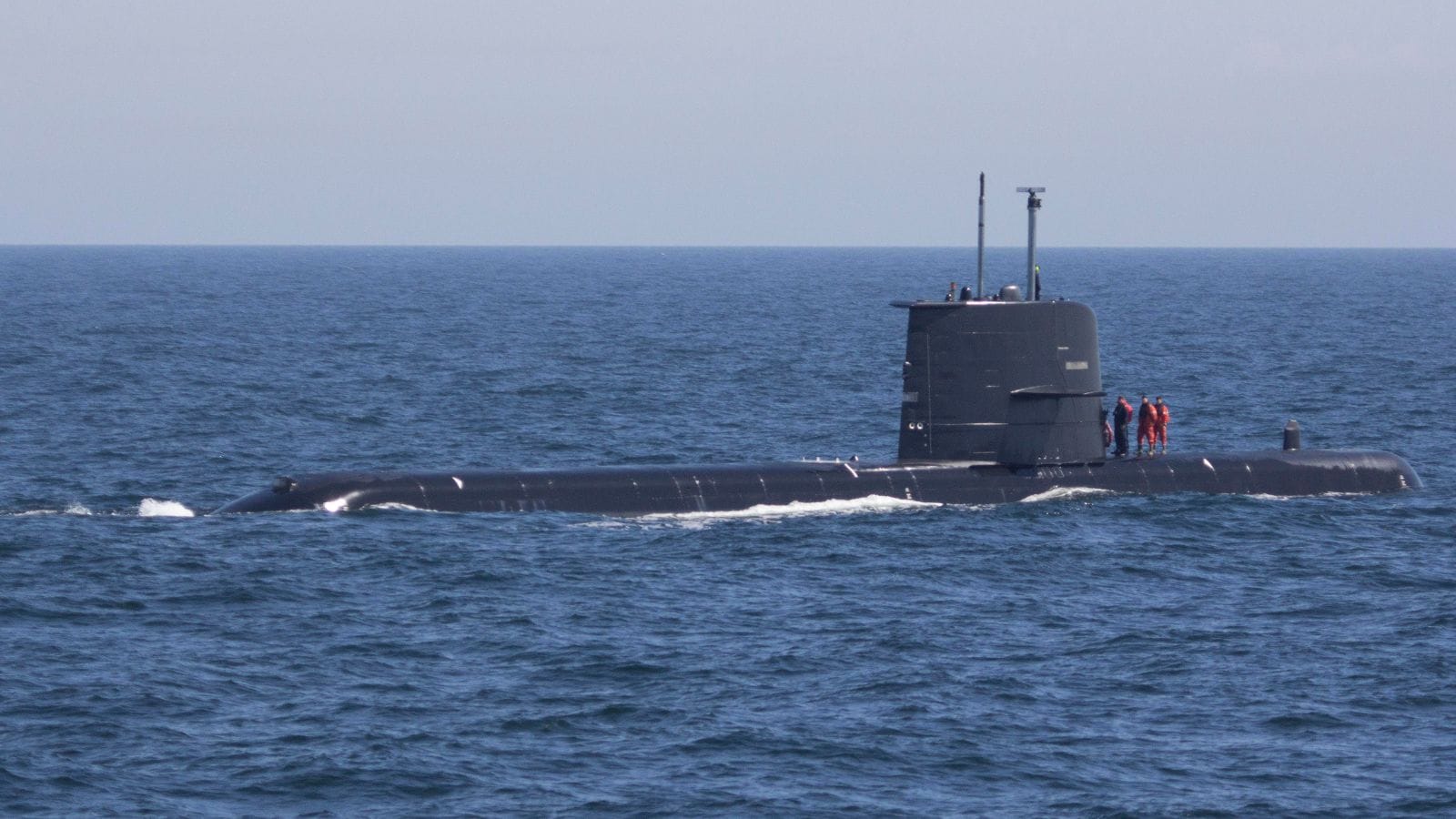
Using the image of a submarine gliding silently under the sea as a metaphor for industrial supply chains helps explain why inland states keep entering this conversation. What happens on the surface—the speeches, the flags, the midterm rallies—is loud and visible. Down below, out of sight, the real pressure is measured in lead times, tolerances measured in thousandths of an inch, and whether enough skilled welders and CNC operators exist anywhere in the country to keep up.
The Midwest has history on its side when it comes to making things out of raw metal. During World War II, factories across Ohio, Michigan, and Pennsylvania churned out everything from tank hulls to aircraft engines at a pace that still staggers historians. That industrial muscle memory didn’t vanish overnight, even after decades of offshoring and automation hollowed out thousands of paychecks.
Still, history doesn’t automatically turn an old stamping plant into a defense supplier. Defense contracting comes with strict security clearances, rigorous quality audits, specialized alloys, and long approval cycles. A shop that made brackets for civilian trucks cannot simply flip a switch on Monday morning and start turning out submarine components by Friday afternoon.
The Midterm Trap and the Quiet Skepticism
Politics has its own gravity, especially in a midterm cycle. Every November election turns states like Ohio into battlegrounds of memory and grievance, where voters weigh rising grocery bills, interest rates, border security, and the lingering ache of lost manufacturing jobs.
When a leader announces a major defense-related project in a state with deep industrial roots, the timing is never accidental. Midterm voters are looking for proof that Washington hasn’t forgotten places between the coasts. A submarine repair center carries a double charge: it speaks to national strength abroad while promising high-wage, blue-collar work at home.
Yet voters in places like Youngstown, Toledo, and Canton have seen promises arrive with fanfare and fade into footnotes. A plant tax credit here, a ribbon-cutting there, a press release with big numbers that shrink by half once the ribbon is cut.
Vulnerability is the right word for what many working families feel during election season. You want to believe someone is fighting for your town’s future. You also don’t want to be played for a fool again. That tension—wanting hope while guarding against disappointment—is one of the most recognizable behavioral patterns in American industrial towns.
And there is another practical question that deserves a straight answer without spin. Even if the political will is real, where would the workers come from? Training a top-tier machinist, pipefitter, or quality inspector takes years, not weeks. Community colleges and trade schools can help bridge part of the gap, yet young people often leave small towns for cities or higher-paying trades unless they see a clear, multi-year career ladder waiting for them.
If a facility is announced without a concrete pipeline of apprenticeships, power grid upgrades, and supplier partnerships, the announcement risks becoming a headline without a heartbeat.
What It Takes to Move From Speech to Steel
Imagine a hypothetical town council meeting—again, a composite illustration rather than a real transcript—held in a high school gymnasium on a chilly weeknight. Folding chairs screech across polished maple floors. A retired steelworker in a faded cap asks the simplest question in the room: "Who gets the first paycheck, and when?"
That question cuts straight through campaign rhetoric. Turning an idea like an Ohio submarine repair center into reality requires three unglamorous things that rarely make a thirty-second clip.
First comes actual defense demand and funding. Congress appropriates money, the Navy defines maintenance needs, and prime contractors or specialized yards sign binding agreements. Without authorized funds and clear technical scope, a repair hub stays on paper.
Second comes infrastructure and compliance. Heavy machining and naval components demand steady electrical power, crane capacity, cyber safeguards, and strict compliance with naval specifications. Converting an existing industrial site can save time compared to building from scratch, yet retrofitting heavy gear is still expensive and methodical.
Third comes trust built over time. Not a rally applause line, not a social media post, but steady orders arriving month after month, year after year, so a twenty-two-year-old apprentice can buy a house, start a family, and believe the shop lights will still be burning when they hit retirement.
There is something deeply moving about that desire for permanence. People don’t usually ask for miracles. Most just want steady work that respects their skill, pays enough to live with dignity, and leaves their kids with a fighting chance.
The Invisible Stakes Beneath the Headline
It is easy to treat a story like this as a pure political chess move—a midterm gambit aimed at boosting turnout or framing an economic message. Politics certainly plays its part. Campaigns live on momentum, contrast, and big promises that capture attention in a crowded news cycle.
Look a little closer, though, and the stakes stretch past November ballots. America’s naval maintenance capacity has been a quiet sore spot for years, with ships spending too much time in overhaul and too little time patrolling waters that matter. At the same time, millions of skilled tradespeople across the interior of the country possess exact capabilities the defense industrial base desperately needs.
Matching inland industrial capacity with maritime needs isn’t a contradiction; it is a puzzle. Whether the solution succeeds depends on whether leaders treat Ohio as a backdrop for a speech or as a serious partner in rebuilding industrial strength.
I don’t pretend to know every twist that will play out in courtrooms, committee rooms, or factory aisles over the coming months. Anyone who claims complete certainty about how a midterm pledge will evolve is selling confidence they haven’t earned. What I do know is that promises tested against cold steel and real paychecks have a way of revealing their true weight pretty fast.
Out on the highway outside a rust-rimmed Ohio town, a semi hauls a load of heavy coils toward dawn while frost glitters along the guardrail, waiting to see whether tomorrow’s headlines turn into real work or just another echo fading into the winter wind.